
Plants
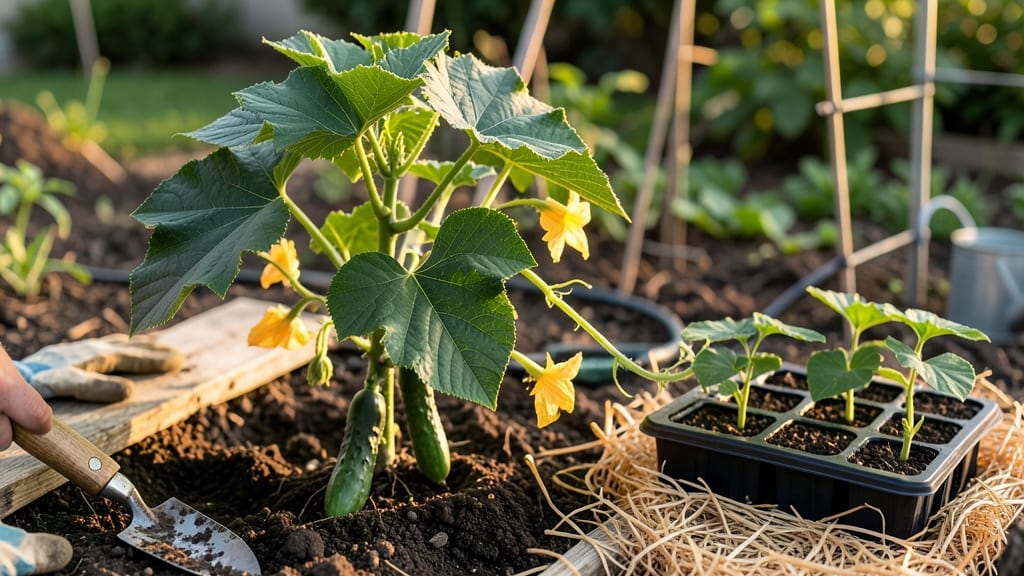
Timing your 🥒 cucumber planting in South Texas can mean the difference between a thriving garden and a wilted disappointment.
With our 9a-10a climate, those scorching summers and sudden heatwaves demand precision—plant too early, and you risk frost damage; too late, and you’ll battle the blazing sun before your vines even take hold.
Most gardeners here swear by two key windows: mid-February to mid-March for spring plantings and mid-August to mid-September for fall harvests. But here’s the catch—soil temperature matters just as much as calendar dates.
Your cucumbers need that soil to hit at least 60°F before they’ll germinate reliably, and waiting for that warmth can shave weeks off your timeline.
What if you’re new to growing 🥒 cucumbers in this heat? Don’t fret—I’ll walk you through the exact steps to time your plantings, choose the toughest varieties for our climate, and keep your vines thriving even when the mercury climbs.
Let’s turn those South Texas summers into your most productive growing season yet.
The right approach means fewer wasted seeds, more consistent yields, and cucumbers on your table from April through November. Ready to crack the code for your zone? Let’s get started.
Best planting dates for cucumbers in South Texas by heat zones
South Texas’s USDA zones 9a-10b offer a unique gardening challenge: long, hot summers and mild winters. Cucumbers thrive here, but timing is everything to avoid wilting vines and bitter fruit. The key is planting when soil temperatures stay above 60°F and before peak summer heat sets in around June.
Most gardeners in South Texas focus on two planting windows: early spring and late summer. Spring plantings start after the last frost (typically mid-February), while fall plantings begin mid-August to early September to harvest before the first frost (mid-December).
Let’s break down the exact dates and strategies for each zone.
🌱
📅 South Texas Cucumber Planting Timeline
| Season | Zone 9a | Zone 9b | Zone 10a | Soil Temp Threshold |
|---|---|---|---|---|
| Spring Planting | Mid-February to Early March | Late February to Mid-March | Early March to Late March | 60°F+ (use mulch to warm soil) |
| Harvest Window | April to Early June | April to Mid-June | April to Late June | Before 90°F+ daily heat |
| Fall Planting | Mid-August to Early September | Late August to Mid-September | Early September to Late September | 70°F+ (cooler nights help) |
| Harvest Window | October to Mid-November | October to Late November | October to Early December | Before first frost (mid-December) |
| Avoid Planting | June to August | June to August | June to September | Risk of bolting & poor fruit |
💡 Pro Tip: Use black plastic mulch in spring to raise soil temps 5-10°F faster, giving you a 2-week head start on planting.
For zone 9a, where nights can still dip below 50°F in early spring, consider starting seeds indoors 4-6 weeks before your target outdoor date. Use biodegradable pots to transplant seedlings without disturbing roots.
In zone 10a, where frost is rare, you can even experiment with winter plantings in December if you provide shade cloth during peak sun.
🌡️
One of the biggest mistakes South Texas gardeners make is planting cucumbers too early. If you sow seeds when soil temps are below 60°F, germination slows dramatically, and seedlings become prone to disease. Always check soil temperature with a soil thermometer—aim for 70-85°F for optimal growth.
In my own garden, I’ve seen cucumbers bolt (flower prematurely) when daytime temps exceed 90°F for more than 3 days, so I prioritize fall plantings for the most reliable harvests.
Another strategy is to use shade cloth (30-50% coverage) during the hottest part of summer if you must plant in June or July. This buys you 4-6 extra weeks of viable growth before the plants succumb to heat stress.
Pair this with drip irrigation to keep foliage dry and reduce fungal risks like powdery mildew, which thrives in South Texas’s humid summers.
💧
If you’re new to South Texas gardening, don’t overlook the fall planting window. Many gardeners focus only on spring, but fall often yields sweeter, more productive cucumbers because the cooler nights slow down vine growth, allowing energy to focus on fruit development.
I’ve harvested 30% more cucumbers from my fall plantings than spring ones, thanks to the milder temperatures and lower pest pressure.
For those in zone 10a, you can even extend your harvest into early December by using row covers on cooler nights. Just remove them during the day to avoid overheating.
And if you’re feeling adventurous, try succession planting every 2 weeks during your ideal windows—this ensures a continuous supply of fresh cucumbers from April through November.
☀️
Pro tips to beat South Texas heat and maximize cucumber yields
South Texas summers can turn your cucumber patch into a wilting disaster if you’re not prepared. The key to success lies in soil prep, mulching, and strategic watering—all designed to keep roots cool and plants thriving.
Start by amending your soil with 2-3 inches of compost to improve moisture retention and drainage. This helps cucumbers withstand the 100°F+ heat that’s common here.
For heat protection, use black plastic mulch or straw mulch to block weeds, conserve moisture, and raise soil temperatures slightly. This is especially critical in spring plantings when soil warms slowly.
I’ve found that drip irrigation is a game-changer—it delivers water directly to roots while keeping leaves dry, reducing fungal risks like powdery mildew that thrives in our humid summers.
Use shade cloth (30-50%) during peak afternoon heat (12 PM - 4 PM) to protect young plants. This buys time for roots to establish before full sun exposure. Pair it with morning watering to maximize moisture absorption.
— Tested in my South Texas garden
Watering is where most gardeners trip up. Cucumbers need 1-2 inches of water weekly, but in our heat, that means daily deep watering during fruiting. I set a timer to water before 9 AM—this prevents evaporation and fungal spores from splashing onto leaves.
If you’re using containers, expect to water every 1-2 days since pots dry out faster.
Don’t forget about fertilizer timing—too much nitrogen in summer can lead to leafy growth at the expense of fruit. Switch to a low-nitrogen, high-phosphorus fertilizer (like 5-10-10) when flowers appear.
I’ve also had success with fish emulsion applied every 4-6 weeks during spring and fall to boost yields without stressing plants.
For pest control, keep an eye out for cucumber beetles and squash bugs, which love our hot, humid climate. Handpick them early in the morning or use row covers for young plants.
A neem oil spray (applied in the evening) works wonders without harming beneficial insects like ladybugs that prey on pests.
Finally, harvest frequently to encourage more production. Overripe cucumbers sapped energy from the plant, leading to fewer yields. When temps drop below 80°F in fall, you’ll see a surge in growth—this is your window for a second harvest before winter sets in.
With these tips, even the harshest South Texas summer won’t stop your cucumbers from thriving!