
Plants
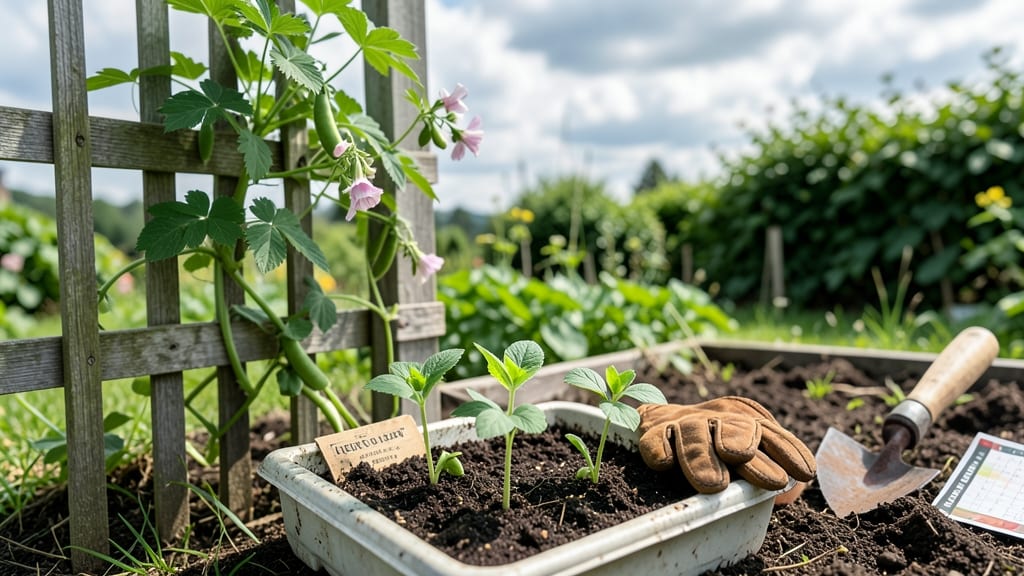
If you're wondering "when to plant peas in Tennessee", timing is the secret to avoiding frost damage and enjoying a sweet harvest. Tennessee’s mild winters and varied climate zones make peas a great choice, but getting the window right ensures your 🌱 thrives from seed to pod.
Peas love cool weather, so planting too early or too late can spell disaster. In zones 6a-7b, your best bet is early spring (February-April) or late summer (August-September) for a fall crop.
The key is working with frost dates—planting 2-3 weeks before the last frost gives your peas the head start they need.
Not all pea varieties play by the same rules. Some, like sugar snaps, prefer cooler temperatures, while others can handle a little heat. We’ll break down the best types for Tennessee and when to tuck them into the soil for maximum success.
Ready to grow a garden full of crisp, delicious peas? Let’s dive into the exact planting schedule for your zone and how to stretch your harvest season—no frost-related disappointments here!
Tennessee pea planting timeline by USDA hardiness zones (6-8)
Tennessee’s diverse climate—spanning USDA zones 6a to 8a—creates unique opportunities for growing peas year-round. Unlike many vegetables, peas thrive in cool weather and can even tolerate light frosts, making them ideal for early spring and fall planting.
However, timing is critical to avoid late-season heat stress or early frost damage.
In Zone 6a (eastern Tennessee), where winters are colder, aim for late winter to early spring planting (February–March). Gardeners in Zone 7a (Middle Tennessee) can start as early as January for a spring harvest or try fall planting in August.
Meanwhile, Zone 8a (west Tennessee) offers a longer growing window, allowing for two harvests per year if you plan carefully.
Peas need soil temperatures between 40°F and 85°F to germinate, but they prefer cooler conditions (50°F–70°F) for optimal growth. Planting too early in cold soil (below 40°F) can lead to rot or poor germination, while planting too late (after mid-April) risks heat stress before harvest.
Here’s a zone-specific breakdown of the best planting windows to maximize your pea harvest in Tennessee:
| USDA Zone | Last Frost Date | Ideal Planting Window | Soil Temp Requirement | Harvest Window |
|---|---|---|---|---|
| 6a (Eastern TN) | Mid-March to early April | February 15 – March 15 | 40°F–50°F (min 40°F) | May – early June |
| 7a (Middle TN) | Late March | January 15 – April 15 (spring) OR August 15 – September 15 (fall) | 40°F–60°F (min 40°F) | April–June (spring) OR October (fall) |
| 8a (West TN) | Early April | January 1 – March 30 (spring) OR August 1 – September 30 (fall) | 45°F–70°F (min 45°F) | March–June (spring) OR September–November (fall) |
For Zone 7a and 8a gardeners, fall planting is a great way to extend your harvest. Sow seeds in late summer (August–September) for a cool-season crop that matures before the first frost (typically mid-October).
Just ensure your peas have 60–70 days to mature before the first frost hits.
If you’re in Zone 6a, focus on early spring planting (February–March) and avoid fall crops, as the shorter growing season limits your options. Use cold-hardy varieties like Lincoln or Wando to push your limits.
Pro tip: Test your soil temperature with a soil thermometer before planting. Peas won’t germinate well in cold, wet soil, so wait until temperatures rise to at least 40°F.
If your soil is too cold, try planting in raised beds or using black plastic mulch to warm it up faster.
Remember, succession planting every 2–3 weeks in spring will give you a continuous harvest until summer heat sets in. Save your fall planting for heat-tolerant varieties like Oregon Sugar Pod to beat the clock before frost.
🌱
Best pea varieties for Tennessee gardens and their ideal planting months
Choosing the right pea variety for Tennessee is half the battle—each type thrives at different times and handles heat or cold uniquely. For early spring planting (February-March), cold-hardy varieties like Lincoln or Wando are my top picks.
These varieties tolerate light frosts and produce sweet pods by May, perfect for Tennessee’s USDA zones 6a-7b.
If you’re aiming for a fall harvest (August-September), heat-tolerant varieties like Oregon Sugar Pod or Sugar Snap shine. They handle Tennessee’s late-summer warmth better than traditional garden peas, giving you a second chance at a harvest before the first frost in mid-October.
🌱
| Variety | Ideal Planting Months | Key Traits | Harvest Window |
|---|---|---|---|
| Lincoln | February-March | Cold-hardy, disease-resistant | May-June |
| Wando | February-April | Dwarf variety, great for containers | May-June |
| Oregon Sugar Pod | August-September | Heat-tolerant, sweet pods | October-November |
| Sugar Snap | February or August | Crisp pods, needs trellis | May or October |
| Green Arrow | March-April | Early maturing, compact | May |
For succession planting, I recommend mixing varieties like Lincoln and Green Arrow in early spring. Plant Lincoln first (late February) for an early harvest, then add Green Arrow (early March) to extend your yield into June.
This strategy ensures you’re never without fresh peas during Tennessee’s cool-season growing window.
If you’re experimenting with fall planting, avoid varieties like Mammoth Melting Sugar—they struggle with Tennessee’s late-summer heat. Instead, opt for Oregon Sugar Pod or Sugar Snap, which handle the warmth better and give you a second harvest before frost.
Pro tip: Always check your local frost dates—Tennessee’s zone 7b areas (like Nashville) can handle slightly later plantings than zone 6a (e.g., East Tennessee). A quick call to your extension office or checking a frost calendar ensures you’re planting at the perfect time.
🌿