
Plants
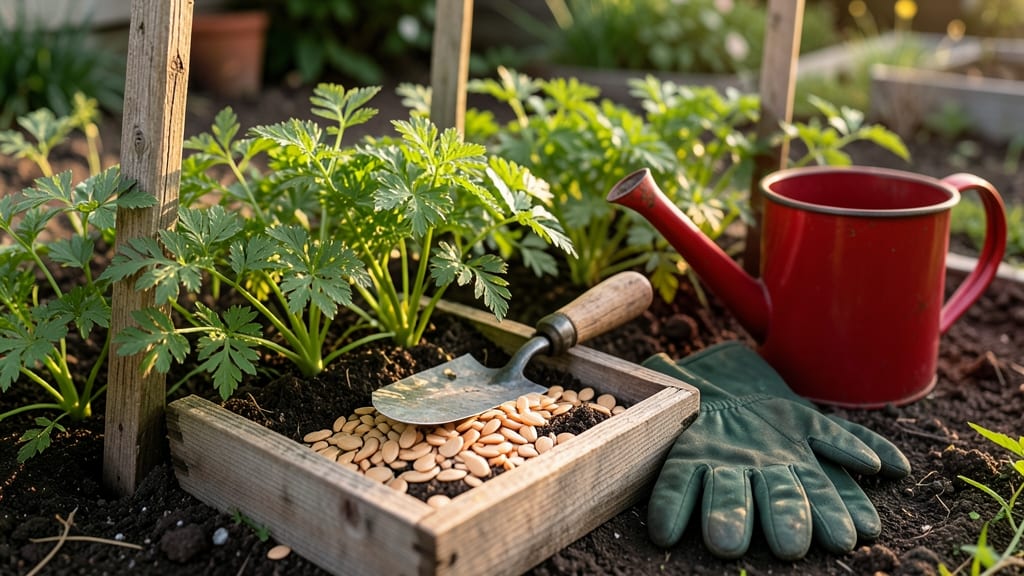
Optimal carrot planting dates in East Tennessee by Zone 7a/7b
Timing is everything when growing carrots in East Tennessee. The region’s Zone 7a/7b climate offers two perfect windows: early spring and late summer. Plant too early, and frost will kill tender seedlings; too late, and summer heat triggers bolting (flowering before harvest).
Let’s break it down by month and microclimate.
First, check your last frost date. In most of East Tennessee, this falls around mid-April, but higher elevations (like the Smoky Mountains) can see frost 2-3 weeks later.
For Knoxville and surrounding areas, aim to plant 4-6 weeks before the last frost—typically early March for early varieties.
Soil temperature is just as critical as air temperature. Carrot seeds need soil temps above 50°F to germinate. In East Tennessee, this usually aligns with late March to early April for spring plantings. Use a soil thermometer to confirm—cold, wet soil delays germination and invites rot.
| Planting Window | Zone 7a (Cooler Microclimates) | Zone 7b (Warmer Microclimates) | Soil Prep Tip |
|---|---|---|---|
| Spring Planting | March 15–April 15 | March 1–April 10 | Loosen soil to 12" deep; add compost |
| Fall Planting | July 15–August 15 | July 1–August 10 | Mulch heavily to retain moisture |
| Last Chance (Late Fall) | September 1–15 (cold-hardy varieties) | September 1–30 (with row covers) | Use black plastic mulch for warmth |
| Avoid Planting | May–June (summer bolting risk) | May–June (heat stress) | — |
🌱 Pro Tip: For succession planting, sow seeds every 2 weeks in spring and 3 weeks in fall to ensure a continuous harvest.
For fall carrots, the goal is to harvest before the first frost (mid-October in most of East Tennessee). Start seeds in late July to mid-August, choosing fast-maturing varieties like ‘Paris Market’ (50 days) or ‘Early Nantes’ (60 days).
If you’re in a cooler microclimate (e.g., Cumberland Gap), push planting to early August.
East Tennessee’s rocky soil can be a challenge for carrots, which need deep, loose soil to grow straight. Before planting, amend your beds with sand or compost to break up clay and improve drainage.
If your soil is heavy, consider growing short varieties like ‘Little Finger’ or ‘Short ‘n’ Sweet’ to avoid forking.
One common mistake in East Tennessee is planting too close to the last frost. Seedlings won’t tolerate even light frost, so wait until soil temps are consistently above 50°F for at least a week.
Use a seedling heat mat if you’re eager to start early, but be prepared to protect young plants with row covers if a late frost hits.
If you’re growing carrots in containers (like raised beds or pots), the timing is similar, but containers warm up faster. Start seeds 2 weeks earlier than in-ground plantings to account for the warmer microclimate of containers.
Just ensure your pots are at least 12 inches deep—shallow roots mean stunted carrots!
For high-elevation areas (e.g., Great Smoky Mountains National Park), adjust your schedule by 2-3 weeks later than the general Zone 7b guidelines. Cooler nights and shorter growing seasons mean slower germination and maturation. Monitor your local Almanac frost dates and plant accordingly.
Finally, keep an eye on moisture levels after planting. Carrot seeds need consistent moisture to germinate, but once sprouted, they prefer drier conditions to prevent rot. In East Tennessee’s humid summers, mulch heavily to retain moisture without suffocating the soil.
Optimal carrot planting dates in East Tennessee by Zone 7a/7b
East Tennessee’s Zone 7a/7b climate gives you two prime windows for growing sweet, crisp carrots: early spring and late summer. Timing matters—plant too early, and frost will kill tender seedlings; too late, and summer heat causes bolting. Let’s break down the exact planting dates and soil conditions for success.
For spring planting, aim for mid-March to early April when soil temperatures reach at least 50°F. This ensures seeds germinate quickly (typically 10-14 days) and avoids frost damage. In Zone 7a (cooler microclimates like higher elevations), wait until late March to play it safe.
🌱 Did You Know?
Fall planting starts late July to early August for a September-October harvest before hard frosts. Choose cold-hardy varieties like ‘Danvers’ or ‘Chantenay’ to withstand light frosts (down to 20°F). Avoid planting after mid-August, or roots may turn woody before winter.
Microclimates matter! In Knoxville’s urban areas, last frost dates average April 15, while higher elevations (e.g., Gatlinburg) may see frost until May 1. Adjust planting dates 2-3 weeks later in mountainous regions.
Soil prep is critical: carrots hate rocky or compacted soil (common in East Tennessee). Work in 2-3 inches of compost and sand to loosen beds. Test soil pH—aim for 6.0-6.8—and add lime if needed. Plant seeds ¼ inch deep, 2 inches apart, in rows 12 inches apart.
Pro tip: Use succession planting every 2 weeks in spring/fall to stagger harvests. For example, sow March 15, April 1, and April 15 for continuous carrots through June. In fall, try July 15, August 1, and August 15 for a late-season crop.
Watch for soil temperature spikes—above 80°F, carrots bolt (flower prematurely). Mulch with straw to keep roots cool in summer. With perfect timing, you’ll enjoy harvests from May through October!