
Companion Plants
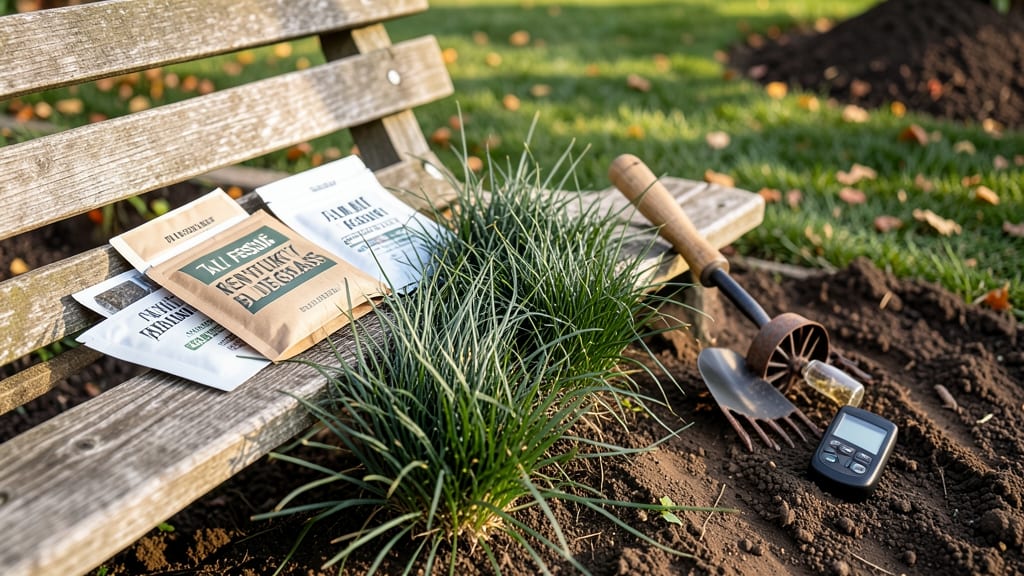
Timing your grass seed planting in Pennsylvania’s fall can make or break your lawn’s success next spring. With the right window—typically between late August and mid-October—your grass gets a head start on root growth before winter sets in.
But miss the mark, and you’ll risk weak germination or frost damage, leaving you with patchy results.
In Pennsylvania’s USDA zones 5b-7a, the key is planting when soil temps hover between 50-65°F and at least 4-6 weeks before the first frost. This gives your 🌱 grass seed enough time to establish roots without competing with weeds or freezing over.
Whether you’re in Pittsburgh’s cooler microclimate or Lancaster’s milder pockets, knowing these deadlines is the game-changer.
Soil prep and seed selection matter just as much as timing. Aerating compacted soil, choosing the right grass blend for your region, and keeping moisture consistent are all critical steps. Skip these, and even the best planting window won’t guarantee a thick, green lawn by next spring.
Let’s break down the exact steps to maximize your success—from testing your soil to avoiding common pitfalls that leave lawns looking lackluster. Ready to transform your yard? Here’s how to do it right.
Best fall planting windows in Pennsylvania by hardiness zone (soil temp & frost deadlines)
Pennsylvania's fall planting window for grass seed runs from late August to mid-October, but the exact timing depends on your USDA hardiness zone (5b-7a) and local frost dates.
The goal is to plant 4-6 weeks before the first frost—this gives seeds time to germinate and establish roots before winter dormancy. In PA, this typically means aiming for September and early October in most regions.
Cooler soil temperatures between 50-65°F are ideal for seed germination. If you plant too early (like July), summer heat can stress young seedlings. Planting too late (November) risks seeds not establishing before frost.
Each zone has slightly different deadlines—let’s break it down by region to help you pinpoint the perfect planting window for your lawn.
🌱 Pennsylvania’s USDA Zones: Most of the state falls within zones 5b-7a, with cooler microclimates in the northeast (like Erie) and warmer areas in the southeast (like Philadelphia). These zones influence when frost arrives, so we’ll tailor recommendations accordingly.
For example, in Zone 5b (north-central PA), the first frost usually hits around October 15, so your last planting date should be mid-September. In Zone 7a (southeastern PA), frost arrives closer to November 1, giving you a slightly later window until late October.
Understanding these deadlines ensures your grass seed has enough time to root before winter.
Pro tip: Use a soil thermometer to confirm temperatures before planting. If soil temps drop below 50°F, germination slows significantly. In cooler zones like Zone 5b, even a 5-day stretch below 50°F can delay sprouting by weeks. Check temps in the late afternoon for the most accurate reading.
If you’re unsure about your exact frost date, consult the Penn State Extension or local weather services. They provide hyper-local frost forecasts that account for elevation and microclimates.
For example, mountain regions (like Poconos) may frost earlier than valley areas (like Lancaster), even if they’re in the same zone.
One more critical factor: cool-season vs. warm-season grasses. Pennsylvania’s fall planting is best suited for cool-season grasses like tall fescue, Kentucky bluegrass, and perennial ryegrass. These thrive when planted in fall or early spring.
Warm-season grasses (like Bermuda or Zoysia) should be planted in late spring or summer—they won’t establish well in fall.
Finally, don’t stress if you miss the ideal window. You can still plant grass seed in early spring (April-May), but fall planting gives seeds a head start to develop deep roots before summer heat arrives.
With the right timing, you’ll see thicker, greener lawns by next spring—no guesswork required!
How to prepare your lawn for fall grass seed success (soil, seed, & post-planting care)
Preparing your Pennsylvania lawn for fall grass seed planting is the secret to a thick, green carpet by next spring. Start by testing your soil's pH level—ideal grass growth thrives in 6.0 to 7.0.
If your soil is too acidic or alkaline, amend it with lime or sulfur 4-6 weeks before planting to avoid shocking the roots.
Next, choose the right grass seed variety for your region. Pennsylvania's cool-season grasses like tall fescue, perennial ryegrass, and Kentucky bluegrass dominate the market because they handle our winters well. Warm-season grasses like Bermuda or Zoysia struggle in PA's climate, so stick with cool-season types.
Before sowing, clear your lawn of debris and weeds. Use a lawn rake to remove thatch—any layer thicker than ½ inch will block seed-to-soil contact. This is also the perfect time to aerate your lawn, especially if your soil is compacted.
Rent a core aerator to create small holes that help seeds reach the soil and roots breathe.