
Lawn
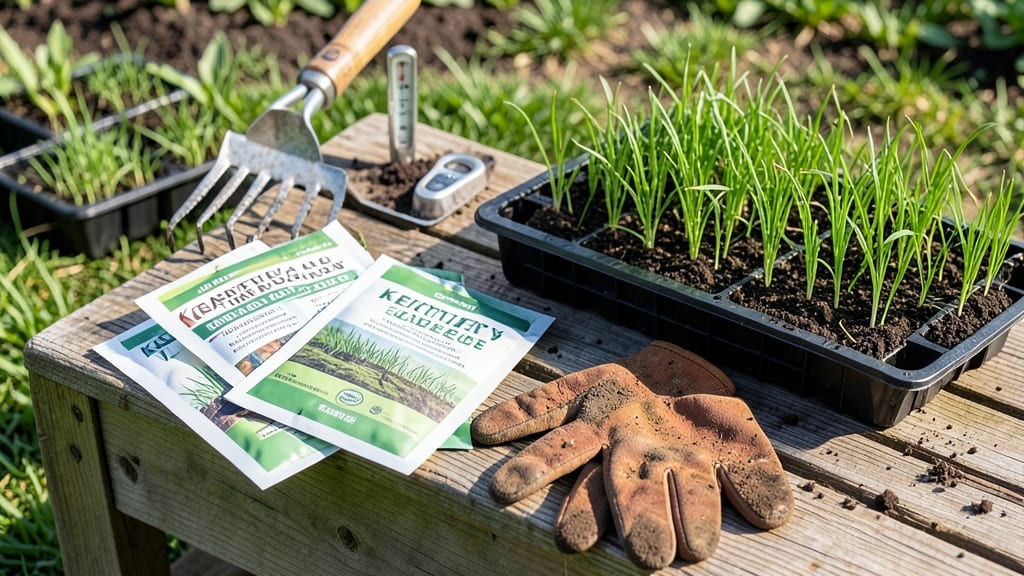
Planting grass seed in Kentucky at the wrong time can turn your dream of a lush lawn into a frustrating gamble—especially with our unpredictable spring weather.
Whether you're seeding a new yard or overseeding an existing one, getting the timing right is the key to avoiding frost damage or summer heat stress.
With Kentucky's USDA zones 6a-7b, the ideal window for planting 🌱 grass is early spring (March-April) or fall (September-October), when soil temperatures are just right for germination. But here's the catch: planting too early risks frost, while waiting too late means battling summer drought.
Let me break down exactly when to plant based on your region and grass type.
You'll discover how to check soil temperatures, adjust for Kentucky's microclimates, and choose the best grass varieties for your yard. We'll also cover common mistakes—like planting when the soil is too cold—and how to fix them before it's too late.
Ready to transform your lawn? By the end, you'll know the perfect moment to plant, plus post-planting care tips to keep your grass thriving year-round. Let's get started!
Kentucky’s best grass seed planting windows by month (with soil temp guides)
Kentucky’s USDA zones 6a-7b mean your grass seed timing must balance last frost dates (March 15) and soil temperature thresholds (50°F+ for germination). Plant too early and risk frost damage; too late and face summer heat stress.
Let’s break down the ideal planting windows by month, including critical soil temp guidelines for Kentucky’s three distinct regions: Bluegrass, Pennyrile, and Cumberland Plateau.
For cool-season grasses like tall fescue and Kentucky bluegrass (most common in KY), aim for early spring (March-April) or fall (September-October). Warm-season grasses like Bermuda or Zoysia prefer late spring (May-June) when soil stays above 65°F. The key? Soil temperature—not just air temperature—dictates success.
Here’s your month-by-month planting guide, including soil temperature targets and regional frost-free deadlines to maximize germination rates:
| Month | Ideal Soil Temp (°F) | Planting Window | Regional Notes |
|---|---|---|---|
| March | 50–55°F | Early March (Bluegrass) / Late March (Pennyrile) | Risk of late frost; use frost cloth if temps dip below 40°F. |
| April | 55–65°F | Best window for cool-season grasses | Soil warms fastest in Louisville; Cumberland Plateau lags 1–2 weeks. |
| May | 65–75°F | Warm-season grasses only | Bermuda grass thrives; overseed cool-season lawns in late May. |
| September | 60–70°F | Prime fall planting | Avoid planting after mid-October; first frost risk rises. |
| October | 50–60°F | Late fall (Bluegrass only) | Seedlings need 6–8 weeks to establish before winter dormancy. |
Pro tip: Use a soil thermometer to confirm temps—Kentucky’s microclimates can vary by 10°F+ between urban Louisville and rural Pennyrile. For example, Lexington’s elevation delays soil warming by 3–5 days compared to flatland regions like Bowling Green.
Fall planting (September-October) is often more successful than spring because cooler temps reduce weed competition and water stress. However, if you’re seeding in late summer (August), prioritize shade-tolerant varieties like fine fescue to avoid heat damage.
For new lawns, time your planting to allow 4–6 weeks of growth before summer heat or winter dormancy. Overseeding established lawns? Aim for September 1–15 to catch Kentucky’s ideal 60–70°F soil window.
Remember: Watering schedules change post-planting. Keep soil consistently moist (not soggy) for the first 3–4 weeks—a critical period where most failures occur. Use a sprinkler timer to deliver 0.5–1 inch of water daily during establishment.
🌱
How to adjust planting timing for Kentucky’s microclimates and grass types (cool-season vs. warm-season)
Kentucky’s diverse geography means your planting timing should depend on where you live—whether you're in the humid Louisville metro area, the rolling hills of Lexington, or the higher elevations of the Cumberland Plateau.
Each region has unique microclimates that affect soil warmth and frost patterns. For example, Louisville’s heat island effect can delay frost by 1-2 weeks compared to rural areas.
Your grass type also dictates timing. Cool-season grasses like tall fescue and Kentucky bluegrass thrive when planted in early spring (March-April) or fall (September-October), while warm-season grasses like Bermuda and Zoysia prefer late spring to early summer.
Let’s break down how to adjust your schedule based on your location and grass choice.
Here’s the key: cool-season grasses need soil temps between 50°F-65°F for germination, while warm-season grasses require 65°F-75°F. Use a soil thermometer to check—if your readings are outside these ranges, wait or adjust your approach.
For instance, in Northern Kentucky, aim for April 15 for cool-season seeding, but in Southwest Kentucky, you might push it to late March.
| Kentucky Region | Best Planting Window | Grass Type | Soil Temp Threshold |
|---|---|---|---|
| Northern KY (e.g., Louisville) | April 1–15 (spring) or Sept 15–Oct 10 (fall) | Tall Fescue, Bluegrass | 50°F–65°F |
| Central KY (e.g., Lexington) | March 20–April 10 (spring) or Sept 1–Oct 5 (fall) | Tall Fescue, Ryegrass | 50°F–65°F |
| Southwest KY (e.g., Paducah) | March 10–April 1 (spring) or Sept 1–Sept 20 (fall) | Bermuda, Zoysia | 65°F–75°F |
| Southeast KY (e.g., Corbin) | April 10–May 1 (spring) or Sept 10–Oct 1 (fall) | Tall Fescue, Fine Fescue | 50°F–65°F |
Adjust dates 1-2 weeks earlier for low-lying areas, later for higher elevations.
If you’re planting warm-season grasses like Bermuda, time your seeding for late May to early June in most of Kentucky. These grasses need the ground to stay warm for 6-8 weeks to establish strong roots.
In Southwest Kentucky, where summers are hotter, you can start as early as mid-April, but monitor soil temps closely.
For cool-season grasses, fall planting is often the best option because it avoids summer heat stress. Aim to seed by mid-October to allow 4-6 weeks of growth before the first frost.
In Northern Kentucky, where frosts can come earlier, push your fall planting to early September to ensure enough growing time.
Pro tip: If you’re overseeding an existing lawn, late summer (August) is ideal for cool-season grasses. This gives them time to establish before winter. Just be sure to mow your lawn short (1–1.5 inches) before seeding to improve seed-to-soil contact.
For warm-season grasses, wait until after the last frost—typically mid-May in most of Kentucky.
Remember, Kentucky’s weather is unpredictable, so always have a backup plan. If your planting window gets cut short by rain or frost, consider using starter fertilizer and mulching with straw to protect young seedlings. With the right adjustments, your lawn will be thriving in no time! 🌱