
How To
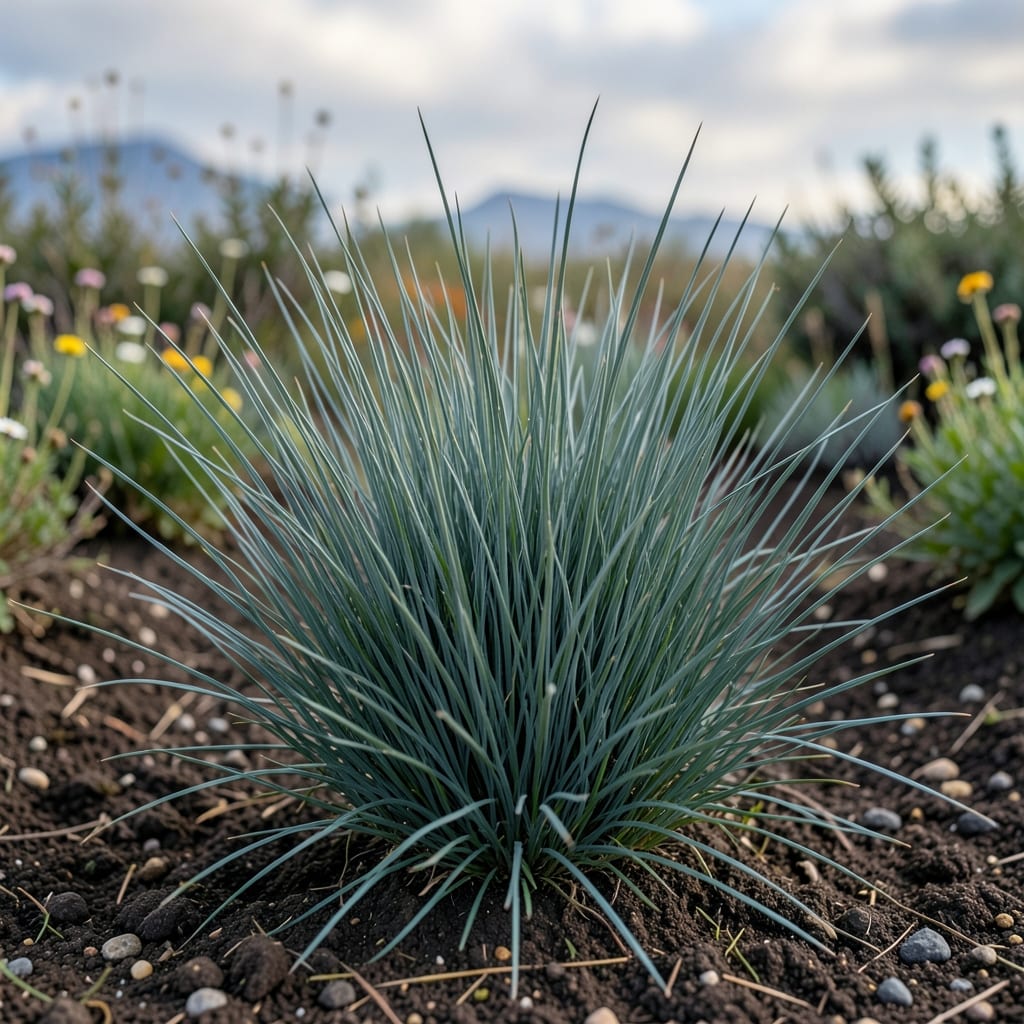
If you're wondering how long for tall fescue to grow, the answer isn't just about days—it's about patience, preparation, and perfect timing. This hardy grass takes its sweet time to establish, but when it does, you'll have a thick, drought-resistant lawn that outlasts many faster-growing varieties.
For most gardeners in Zone 6a, you can expect the first signs of 🌱 tall fescue sprouts within 5-14 days after planting, depending on soil temperature and moisture. But don't rush—full establishment can take 3-4 months, and that's when the real magic happens. Skipping this step means weaker roots and a lawn that struggles under heat or foot traffic.
What sets tall fescue apart is its slow-but-steady growth philosophy. While other grasses might pop up faster, tall fescue builds deep roots first, making it the smart choice for long-term success. Whether you're planting in early spring or fall, understanding these timelines helps you avoid common mistakes like overwatering or mowing too soon.
Ready to grow a lawn that lasts? I'll walk you through every stage—from those first tiny shoots to the full, lush coverage you're dreaming of—so you can enjoy your outdoor space without the guesswork. Let's get started.

Tall fescue germination timeline: weeks to full establishment explained
Understanding how long for tall fescue to grow starts with the germination timeline, which is your roadmap to a healthy lawn. Unlike fast-growing annuals, tall fescue follows a deliberate schedule—5-14 days for those first 🌱 sprouts to appear, followed by a 4-6 week growth phase before full establishment at 3-4 months. This slower pace isn't a flaw; it's how tall fescue builds deep, resilient roots that outlast shallow-rooted grasses.
Let’s break it down by stage: Week 1-2 is all about seed activation in warm, moist soil. Weeks 3-6 bring rapid shoot growth, but roots are still developing. By Month 3-4, your lawn will have dense coverage and the ability to handle foot traffic, drought, and mowing. Skipping any stage—like rushing to mow too soon—can stunt progress and leave your lawn vulnerable.
| Stage | Timeframe | Key Actions | Environmental Needs |
|---|---|---|---|
| Germination | 5-14 days | Keep soil moist, avoid disturbing seeds | 60-75°F soil temp, consistent moisture |
| Early Growth | 4-6 weeks | Light watering, no mowing, monitor pests | Full sun, avoid compacting soil |
| Establishment | 3-4 months | First mowing at 3-4 inches, fertilize lightly | Deep roots, drought tolerance develops |
| Mature Lawn | 6+ months | Regular mowing, seasonal care | Resilient to heat, foot traffic, pests |
Your Zone 6a climate plays a huge role here. If you plant in early spring (March-April), expect germination to align with soil warming to 60°F+. Fall planting (September-October) offers cooler, more consistent moisture, which can actually speed up early growth. The key is patience—don’t mow until the grass reaches 3-4 inches tall, or you’ll risk scalping the roots.
One common mistake I see is overwatering during germination. Tall fescue seeds need consistent moisture, but soggy soil can suffocate them. Aim for 1/4 inch of water daily (or enough to keep the top inch of soil damp) without letting it pool. A light mulch of straw helps retain moisture while preventing crusting.
By Month 2, you’ll notice thicker patches of grass, but the roots are still shallow. This is when light fertilization (like a 10-10-10 NPK blend) gives them a boost. Hold off on heavy feeding until Month 3, when the roots have had time to establish. Think of this phase as building a foundation—rush it, and your lawn won’t handle stress like heat or drought.
Pro tip: If your tall fescue takes longer than 14 days to sprout, check your soil temperature with a thermometer. Below 55°F slows germination significantly. In cooler climates, consider a seed starter mat or planting in early fall for better success. The goal is to give those seeds the ideal conditions they need to wake up and grow.
Once your lawn reaches full establishment (3-4 months), you’ll know it’s ready when you can walk on it without leaving footprints and the grass springs back after mowing. This is when tall fescue’s drought resistance and longevity truly shine. Compare that to faster-growing grasses like ryegrass, which may look lush early on but struggle in Zone 6a summers.
To summarize, how long for tall fescue to grow depends on your preparation and patience. Germination is just the beginning—full strength takes months. But when you see that dense, green carpet of grass, you’ll understand why the wait was worth it. Ready to dive into the 5 key factors that can speed up (or slow down) this process? Let’s explore those next.
5 Key factors that speed up or delay tall fescue growth
Understanding how long for tall fescue to grow isn't just about waiting—it's about creating the perfect conditions. The 5 key factors below can shave weeks off your timeline or leave your grass struggling for months. Let's dive into what truly makes a difference in your lawn's success.
First, soil temperature is your biggest ally or enemy. Tall fescue seeds need 60-75°F soil to germinate quickly. If your soil is cooler, germination can stretch to 2-3 weeks instead of the ideal 5-14 days. Use a soil thermometer to check—this simple tool saves you from guesswork and frustration.
Next, consistent moisture is non-negotiable. Seeds need to stay evenly damp (not soggy) during germination. I recommend watering lightly twice daily until sprouts appear. Overwatering can wash seeds away, while underwatering leaves them dry and dormant. A gentle misting sprayer makes this task effortless.
Don't overlook seed depth—planting too deep (more than ¼ inch) smothers seeds and delays germination by 10-14 days. Use a leveling rake to create a smooth, even surface before scattering seeds. A light layer of straw mulch (¼ inch) after planting helps retain moisture without blocking sunlight.
Sunlight exposure is another game-changer. Tall fescue thrives in full sun (6+ hours daily), but young seedlings need gentle morning sun to avoid stress. If planting in late summer, provide partial shade until roots establish. A simple shade cloth can protect tender sprouts while they grow.
Lastly, pre-planting soil prep sets the stage for faster growth. Loosen the top 2 inches of soil and mix in compost or aged manure to improve drainage and nutrient availability. Avoid fresh manure—it can burn seeds and delay germination. Test your soil's pH (ideal range: 6.0-7.0) and adjust with lime if needed.
When you nail these 5 factors, you'll see those first 🌱 tall fescue sprouts in just 5-10 days instead of waiting weeks. The key is consistency—don't skip steps, and your lawn will reward you with thick, resilient grass in no time.