
Plants
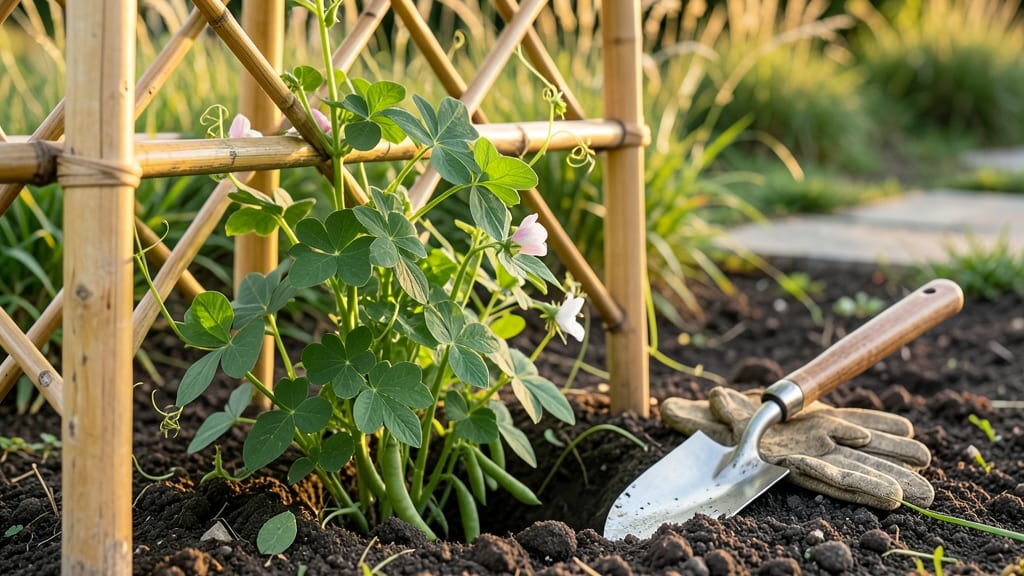
Planting peas in Mississippi isn’t just about throwing seeds in the dirt—it’s about timing them perfectly to beat the unpredictable frost and humidity that can turn your garden dreams into a soggy mess.
The late winter to early spring window (February through March) is your golden ticket, but even then, soil temperatures below 40°F can stall growth or invite disease.
I’ve learned the hard way that rushing peas into cold, wet soil leads to rotten seeds and wasted effort. But here’s the game-changer: Mississippi’s USDA Zone 8a climate lets you stretch your planting window further than most gardeners realize.
With the right soil prep and a few tricks, you can coax sweet, tender peas even when others are still shivering through frost.
What if I told you that March is the sweet spot for most Mississippi gardens? That’s when soil warms enough to support rapid growth, but you can still sneak in an early February planting if you’re willing to take extra precautions—like using row covers or planting in raised beds.
The key is understanding how your local microclimate plays into the equation.
In this guide, I’ll break down the exact soil temperature thresholds, frost-free planting strategies, and companion plants that thrive alongside peas in Mississippi’s heat.
By the end, you’ll know exactly when to plant for a harvest that rivals the pros—and avoid the common mistakes that leave gardeners scratching their heads in June.
Ideal Mississippi pea planting times by soil temperature and frost zones
Mississippi’s USDA Zones 7A-8B create a unique challenge for pea growers. Unlike cooler climates, our humidity and heat demand precise timing to avoid fungal diseases and bolt early.
The key is planting when soil temperatures hit 40°F-45°F—peas won’t germinate in cold, wet soil, but they’ll rot in 85°F+ heat. Here’s how to nail your timing across the state.
In North Mississippi (Zone 7A), where frosts linger until mid-February, aim to plant late February to early March. Use row covers if nights dip below 30°F. Central Mississippi (Zone 7B-8A) can start early February in protected beds, but wait until mid-March for direct sowing.
South Mississippi (Zone 8B) enjoys earlier planting, with January-February windows for cool-season varieties like Sugar Snap or Wando.
Mississippi’s last frost dates vary wildly: February 15 in the north to March 1 in the south. Plant 4-6 weeks before your local last frost for a jump-start.
For example, if your last frost is March 1, sow seeds by mid-February. Pro tip: Check Mississippi State University’s frost maps for your exact county.
Soil temperature is your real guide, not just calendar dates. Use a soil thermometer to confirm 40°F-45°F at 2-inch depth. In Mississippi’s clay-heavy soils, warm up beds with black plastic mulch 1-2 weeks before planting. If soil stays below 40°F, peas won’t sprout—even if the air feels warm.
Mississippi’s microclimates matter. Valley regions like the Delta can be 5°F warmer than hill country, delaying frost. Coastal areas near Biloxi may see earlier planting (as early as January), while north Mississippi should wait until late February. Always adjust for your specific elevation and aspect—north-facing slopes stay cooler longer.
For successive planting, Mississippi gardeners can squeeze in 2-3 harvests by sowing every 2 weeks until mid-April. After that, heat sets in, and peas bolt quickly.
Choose heat-tolerant varieties like ‘Carouby de Maussane’ for late spring plantings, but expect lower yields. Always succession plant in partial shade to delay bolting.
Mississippi’s summer heat (85°F+) shuts down pea production, but you can trick the season with shade cloth (30-50%) and drip irrigation. Plant late August for a fall harvest before first frost, but prioritize dwarf varieties like ‘Little Marvel’ to avoid flopping in humidity.
Monitor soil moisture closely—peas hate waterlogged roots.
One critical Mississippi-specific tip: Amend your clay soil with compost and sand to improve drainage. Peas in heavy, wet soil develop root rot and powdery mildew.
Test your soil’s pH (6.0-7.0 ideal) and add lime if needed. In Mississippi’s acidic soils, a pH below 6.0 stunts growth and reduces yields by 30%.
Timing peas right in Mississippi isn’t just about dates—it’s about reading your microclimate. Start with soil temperature, adjust for frost risks, and use protective measures like row covers or shade cloth. With these strategies, you’ll avoid the common pitfalls of
Ideal Mississippi pea planting times by soil temperature and frost zones
Mississippi’s USDA zones 7A-8B create unique challenges for pea growers, where late frosts can strike as late as March 15 in North Mississippi. The key to success? Planting when soil temperatures hit 40°F-45°F—peas germinate poorly in cold, wet soil but bolt in temperatures above 85°F.
Let’s break down the perfect planting windows for your region.
North Mississippi (Zone 7A) gardeners should aim for February 20-March 15, while Central (Zone 7B) can start March 1-March 30. South Mississippi’s Zone 8A-8B offers flexibility until April 15.
Always check your local last frost date—planting too early risks frost damage, while late planting may mean heat stress before harvest.
| Region | Zone | Ideal Planting Window | Soil Temp | Key Risk |
|---|---|---|---|---|
| North Mississippi | 7A | February 20-March 15 | 40°F-45°F | Late frost |
| Central Mississippi | 7B | March 1-March 30 | 45°F-50°F | Heat stress |
| South Mississippi | 8A-8B | March 15-April 15 | 50°F-55°F | Bolt risk |
For early spring planting, use black plastic mulch to warm soil faster. In North Mississippi, cover seeds with lightweight row covers to protect from 32°F frosts. Always test soil moisture—peas need consistent dampness but hate soggy conditions. A soil thermometer is your best friend for precise timing.
Mississippi’s humidity also affects peas—plant in morning shade if temperatures exceed 80°F during germination. Sugar snap peas and snow peas handle heat better than garden peas, so choose varieties like 'Sugar Sprint' for extended seasons. Never plant when rain is forecasted—soil compaction will kill your seeds.
Pro tip: Sow succession crops every 2 weeks from March to May for continuous harvests. In South Mississippi, you can even try a fall planting in September for cool-season peas before first frost. Just remember: peas hate heat, so avoid summer planting unless you’re using shade cloth.
Mississippi’s microclimates mean your neighbor’s perfect timing might fail you. Monitor local weather stations and adjust by 1-2 weeks based on your yard’s exposure. With these soil temperature tricks, you’ll beat frost and heat to grow sweet, tender peas all season long. 🌱