
Companion Plants
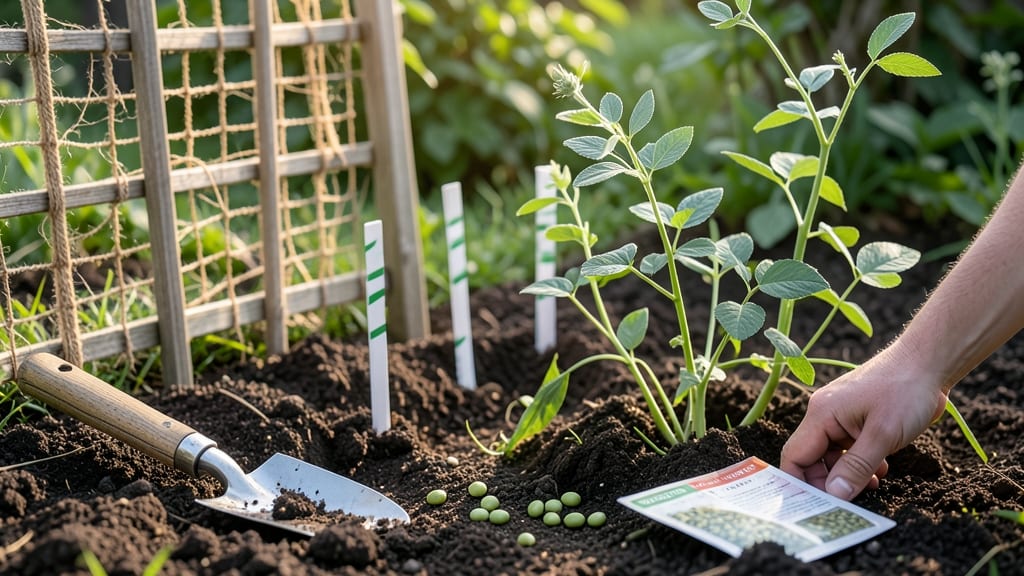
If you’ve ever stared at a packet of pea seeds wondering "when do I plant peas in the UK", you’re not alone—getting the timing wrong can mean the difference between a thriving crop and a sad, frost-nipped failure.
The good news? With the right frost-free window and soil temperature tricks, you can plant peas at just the right moment for a bumper harvest.
In the UK, where last frost dates vary wildly from March 15 in southern England to April 15 in Scotland, timing is everything.
The key is sowing peas late winter to early spring (February–March) or late summer (August–September) for autumn crops—when soil temps hit that sweet spot of 7°C (45°F) or warmer. But how do you know if your soil’s ready? Let’s break it down.
Regional microclimates add another layer—coastal areas warm up faster than inland spots, and highland gardens face later frost risks. Whether you’re in USDA Zone 8a (Scotland) or 9b-10a (England/Wales), I’ll show you exactly when to plant, plus how to prep your soil for success.
No more guessing—just a foolproof plan for 🌱 peas that thrive.
Ready to turn your garden into a pea powerhouse? You’ll learn the exact planting windows, how to test soil temperature, and even how to protect your crop from late frosts. Let’s get those seeds in the ground at the perfect time—no frost damage in sight!
UK pea planting dates by region: frost-free windows & last frost averages
Peas are one of the first vegetables you can plant in the UK, but timing is everything. The frost-free window—the period between the last spring frost and first autumn frost—determines your ideal planting dates.
In the UK, this window varies dramatically by region, from 165 days in Scotland to over 240 days in southern England. Getting it wrong can mean peas that bolt, fail to germinate, or get damaged by late frosts.
For most UK gardeners, the primary planting window is between late February and early March, with a secondary window for autumn varieties in August-September.
However, these dates shift northward: Scottish gardeners should wait until mid-April for spring plantings, while Welsh and southern English gardeners can start as early as January under cloches. The key is aligning your sowing with soil temperatures of at least 7°C (45°F)—peas won’t germinate in colder soil.
Regional microclimates add another layer of complexity. Coastal areas like Cornwall or Norfolk often enjoy earlier last frosts (as early as March 10) due to the Gulf Stream’s warming effect, while inland spots like the Midlands or Yorkshire can face frosts until April 1.
Highland regions in Scotland may not see their last frost until May 1, making early planting risky. Always check your local Met Office frost forecasts or use the BBC Weather Gardeners’ Almanac for tailored advice.
Here’s how to use this comparison table to pinpoint your exact planting window based on your UK region:
If you’re unsure about your local frost dates, use this 3-step method to refine your timing: First, check the Met Office’s historical frost data for your postcode. Next, observe your garden’s microclimate—does it sit in a frost pocket or enjoy sheltered warmth?
Finally, test your soil temperature with a soil thermometer (peas need at least 7°C to germinate). For example, in London, I’ve planted Meteor dwarf peas as early as February 15 under fleece covers, while in Glasgow, I wait until April 20 to avoid frost damage.
For gardeners in coastal regions, the Gulf Stream can create a
Soil temperature & pea seed germination: the 7°C rule & how to test your soil
Peas are famously cold-hardy, but they still need the right conditions to germinate. The magic number is 7°C (45°F)—below this, seeds may rot or take forever to sprout.
In the UK, this often means waiting until late February or March in most regions, but coastal areas or milder microclimates can start earlier.
If your soil feels chilly, don’t rush—peas won’t germinate in frozen or waterlogged ground. Instead, use a soil thermometer (£5-£10 from garden centers) to check temperatures before sowing. For early sowings, consider using cloches or fleece to create a warmer microclimate.
🌱 Key Takeaway: The 7°C Rule
- Minimum soil temp: 7°C (45°F) for germination
- Ideal temp: 10-15°C (50-59°F) for fastest growth
- Test method: Insert thermometer 5cm (2in) deep
- Cold-soil fix: Use cloches, mulch, or delay planting
Pro tip: Sweet snap peas germinate faster than maincrop varieties—sow them first if you're eager!
For autumn sowings (August-September), aim for soil temps between 10-15°C (50-59°F). Use a compost heap or greenhouse to warm seeds before planting. If your soil is too cold, pre-soak seeds for 12 hours to kickstart germination.
Another trick? Plant early varieties like 'Meteor' or 'Sugar Snap' first—they tolerate cooler soils better than late maincrop peas. If you’re unsure, do the finger test: Stick your finger into the soil. If it feels cold to your knuckles, wait a week or two.
Remember, peas hate waterlogged soil. If your garden stays soggy, raise beds or sow on mounds to improve drainage. Well-drained soil + 7°C+ temps = happy pea seeds!
Once your seeds sprout, keep soil consistently moist (not soggy) until plants are established. A light mulch of straw helps retain warmth and moisture—perfect for UK’s unpredictable spring weather.