
Companion Plants
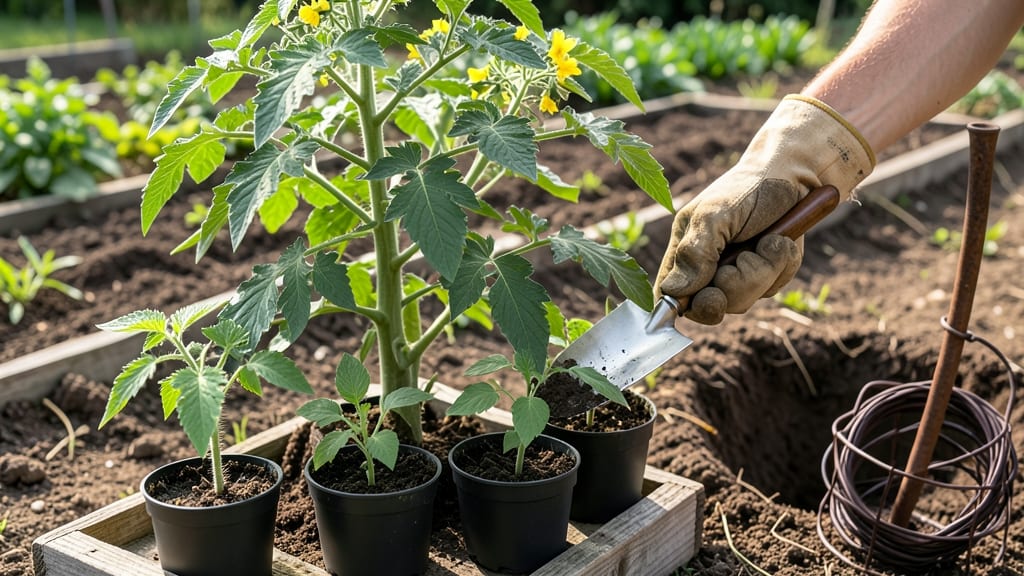
If you’ve ever wondered when do I plant tomatoes in North Carolina, you know timing is everything when planting 🍅 in the Tar Heel State.
The difference between a bumper crop and a failed harvest often comes down to knowing your county’s last frost date—and choosing the right varieties for your microclimate.
North Carolina’s diverse zones (7a-8b) mean your neighbors might be planting weeks before or after you. Whether you’re in the Coastal Plain, Piedmont, or Mountains, getting the window right—typically between April 15 and June 1—sets the stage for a thriving garden.
But with early blight lurking and heat stress on the horizon, even the best-intentioned gardeners can make costly mistakes.
In this guide, I’ll break down the exact frost-free deadlines by county, the best tomato varieties for your region, and pro tips to extend your growing season—so you can avoid common pitfalls and enjoy homegrown tomatoes from June to October.
Let’s get your plants in the ground at the perfect time.
Ready to turn your garden into a 🍅 powerhouse? The clock is ticking, and the soil won’t wait forever.
NC county-specific frost-free dates for planting tomatoes
North Carolina’s diverse climate means your tomato planting window depends heavily on your county’s last frost date. Coastal areas like Wilmington often see frost-free conditions by March 15, while mountain regions like Asheville may wait until May 1.
Understanding these regional differences helps you avoid frost damage and maximize your harvest.
For most of NC’s USDA zones 7a-8b, the safest rule is to plant tomatoes 2-3 weeks after your local last frost date. This ensures your seedlings have time to establish roots before summer heat sets in.
Early plantings in colder zones risk early blight, while late plantings may not yield before frost.
Here’s how to adjust your planting timeline based on your NC region:
If you’re unsure of your last frost date, check your local Cooperative Extension Service or use the NC State Climate Office’s frost maps. For container gardening, you can plant slightly earlier since pots warm up faster, but monitor soil temperatures—aim for 60°F or above.
For heirloom varieties like Brandywine, which need 85-90 days to mature, plant on the earlier side of your window. Cherry tomatoes like Sweet 100 mature faster (60-70 days), giving you flexibility for later plantings if needed.
Pro tip: Use black plastic mulch to warm soil faster and extend your planting window by 1-2 weeks. This is especially helpful in Piedmont and Mountain regions where soils stay cool longer. Just remove the mulch once plants are established to avoid overheating.
Remember, soil temperature matters more than air temperature. Use a soil thermometer to confirm readiness—tomatoes won’t thrive in cold soil. If your soil is below 60°F, wait a few more days or use a cold frame to accelerate warming.
For fall harvests, consider planting heat-tolerant varieties like 'Heatmaster' in late summer (August) for a late-season crop. These can handle NC’s September heat and still produce before frost.
Finally, keep an eye on your local weather forecast in the days leading up to planting. A late frost can wipe out young plants, so have row covers ready to protect seedlings if needed.
Best tomato varieties for NC’s short vs. long growing seasons
North Carolina’s diverse climate—from the Coastal Plain’s heat to the Mountain region’s cooler nights—means not all tomato varieties thrive equally. Choosing the right heat-tolerant or early-maturing types can mean the difference between a bountiful harvest and a disappointing yield.
Let’s break down the best options for your specific growing season length.
For short-season areas (like the Mountains), prioritize cold-hardy and fast-maturing varieties that can handle cooler soils and shorter daylight. In contrast, long-season Coastal regions benefit from heat-loving and disease-resistant types that tolerate humidity and high temperatures.
Always check the days to maturity label—aim for 60-70 days in cooler zones and 75-90 days in warmer ones.
Here’s how to match varieties to your NC microclimate—plus key traits to look for in each category.
| Variety | Days to Maturity | Best For | Key Traits | Planting Window |
|---|---|---|---|---|
| 'Early Girl' | 50-60 days | Mountains, short seasons | Cold-tolerant, early fruit | April 15-May 1 |
| 'Celebrity' | 65-70 days | Piedmont, versatile | Disease-resistant, reliable | April 1-April 30 |
| 'Solar Fire' | 70-75 days | Coastal, heat-loving | Heat-tolerant, red fruit | April 15-May 15 |
| 'Mountain Merit' | 68-72 days | Mountains, disease-resistant | Blight-resistant, cold-hardy | April 15-May 1 |
| 'Heatmaster' | 75-80 days | Coastal, long season | Extreme heat tolerance | April 1-April 30 |
If you’re in the Piedmont, where humidity and moderate temperatures prevail, 'Celebrity' or 'Better Boy' are fantastic choices—they balance disease resistance and productivity.
For Coastal gardeners, heat-tolerant varieties like 'Solar Fire' or 'Heatmaster' thrive in 90°F+ soils, while Mountain growers should stick to early maturers like 'Early Girl' or 'Mountain Merit' to beat the shorter growing season.
Pro tip: Cherry tomatoes (like 'Sweet 100') are great for container gardening in all regions—they mature quickly and produce abundantly even in limited space. Just be sure to prune them regularly to improve air circulation and reduce disease risk.
For fall harvests, consider 'Super Fantastic' or 'Brandywine'—both perform well when planted late June to early July in Coastal areas, giving you a second crop before frost. Just remember: soil temperature must stay above 60°F for seeds to germinate successfully.
🌱