
How To
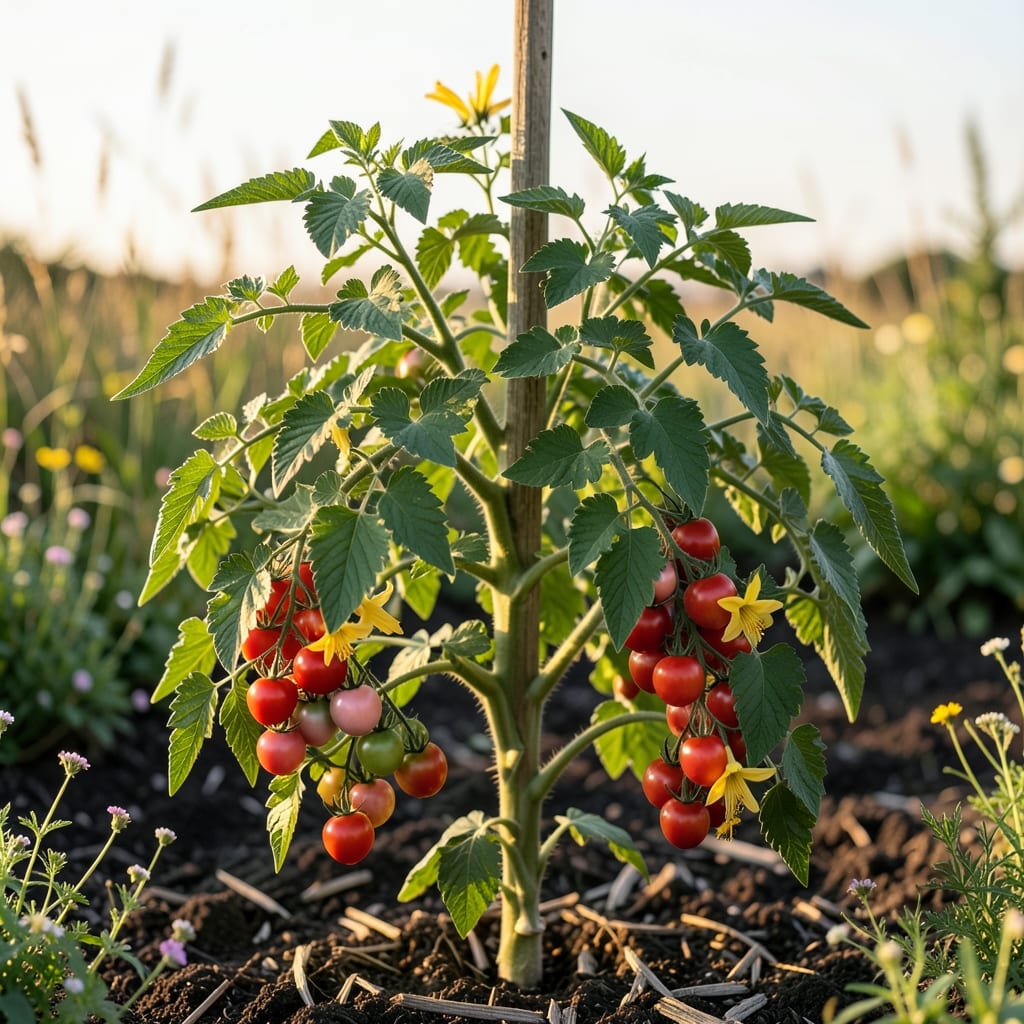
If you're planning your garden and wondering how tall cherry tomatoes grow, the answer might surprise you—these little powerhouses can stretch from compact bushes to towering vines reaching over 6 feet! Whether you're working with limited space or dreaming of a lush vertical garden, understanding your cherry tomato's growth potential is the key to maximizing your harvest.
Not all cherry tomatoes are created equal. Some varieties stay neatly contained at just 1-2 feet, perfect for containers or small gardens, while others climb like jungle vines, demanding sturdy support structures. The difference often comes down to whether you're growing determinate (bush) or indeterminate (vining) types—and knowing which is right for your space can make all the difference in your yield.
Pruning plays a huge role in controlling height and boosting production. With the right techniques, you can train even the tallest varieties to stay within bounds while still packing in more fruit. I'll walk you through exactly how to manage growth, whether you're dealing with a 2-foot dwarf or a 6-foot giant, so you can enjoy a steady supply of sweet, juicy tomatoes all season long.
Ready to transform your garden into a cherry tomato paradise? Let's dive into the specifics—from variety selection to pruning tips—that will help you get the most out of your plants, no matter how much vertical space you have to work with.

Cherry tomato height by variety: compact vs. vining types
Understanding how tall your cherry tomatoes will grow starts with choosing the right variety. The most dramatic differences come from whether you plant determinate (bush) types or indeterminate (vining) types. Determinate varieties stay compact, while indeterminate ones can climb like jungle vines—sometimes reaching 6+ feet if left unchecked!
For small-space gardens, dwarf varieties like 'Tiny Tim' top out at just 12-18 inches, making them perfect for containers or window boxes. These bush types produce all their fruit at once, so they're ideal if you prefer a single harvest rather than continuous yields. On the other end of the spectrum, indeterminate varieties like 'Sweet Million' or 'Sun Gold' keep growing until frost, often surpassing 6 feet without support.
Here’s how to match your garden layout to your plants’ growth habits:
| Variety Type | Height Range | Growth Habit | Best For |
|---|---|---|---|
| Dwarf (Determinate) | 12–18 inches | Bushy, compact | Containers, small gardens |
| Semi-Dwarf (Determinate) | 2–3 feet | Bushy, moderate spread | In-ground beds, cages |
| Indeterminate | 4–10+ feet | Vining, continuous growth | Trellises, large spaces |
| Examples | 'Tiny Tim' (dwarf), 'Sweet 100' (semi-dwarf), 'Sun Gold' (indeterminate) | — | Variety-specific care |
If you’re growing indeterminate varieties, plan for vertical space from the start. These plants need sturdy trellises or cages to support their weight—especially when laden with fruit. Without support, vines can sprawl up to 10 feet or more, creating a tangled mess. For determinate types, focus on spacing: these plants spread 2–3 feet wide, so give them room to breathe.
Pro tip: Check seed packets or plant tags for mature height estimates. Many nurseries now label plants with growth expectations, which helps avoid surprises. For example, 'Super Sweet 100' typically hits 4–6 feet, while 'Balcony Red' stays under 2 feet—perfect for balcony gardens. Always match your support structure to the variety’s potential height.
Another factor influencing height is pruning. Even indeterminate varieties can be trained to stay shorter with regular sucker removal (those little shoots in the leaf axils). I’ve seen 'Sweet Million' vines kept under 5 feet with consistent pruning, while unpruned plants reach 8 feet or taller. We’ll dive deeper into pruning strategies in the next section!
For container gardening, prioritize dwarf or semi-dwarf varieties. A 5-gallon pot can comfortably hold a 2-foot-tall plant like 'Patio Princess', but indeterminate types will outgrow most containers unless you’re using a large fabric grow bag with a trellis. Always leave 1–2 inches of space between the plant and pot edges to avoid root binding.
Light also plays a role in height. Cherry tomatoes grown in partial shade may stay shorter but produce smaller yields. Aim for 6–8 hours of sunlight daily to encourage robust growth. In my Zone 7 garden, I’ve noticed indeterminate varieties grow 1–2 feet taller in full sun compared to partial shade.
Finally, remember that soil quality affects height too. Rich, well-draining soil with plenty of compost helps plants reach their full potential, while poor soil can stunt growth. Always amend your soil with organic matter before planting to give your cherry tomatoes the best start.
Pruning needs for controlling cherry tomato height and yield
Pruning is the secret weapon for managing cherry tomato height while boosting your harvest. Indeterminate varieties like 'Sweet Million' can grow 6+ feet tall without pruning, but strategic cuts redirect energy to fruit production. Start pruning when plants reach 12-18 inches tall—this is when they begin producing suckers (side shoots in leaf axils).
For determinate varieties (like 'Tiny Tim'), minimal pruning is needed—just remove damaged leaves or crowded branches. But indeterminate types demand regular maintenance. Use clean, sharp pruners to avoid tearing stems, and always cut at a 45-degree angle just above a leaf node to encourage new growth.
🌱 Step-by-Step Pruning Guide
- Step 1: Remove suckers (shoots between main stem and branches) when they're 2-3 inches long.
- Step 2: Prune lower leaves touching soil to improve airflow and reduce disease risk.
- Step 3: Top the plant at 5-6 feet tall to prevent overgrowth and focus energy on fruit.
- Step 4: Thin fruit clusters to 3-5 tomatoes per stem for larger, sweeter cherries.
Timing matters too! Prune in the morning on dry days to let wounds heal before evening moisture sets in. Avoid heavy pruning during fruit set—this stresses the plant. Instead, space cuts out over the growing season: early season for shape, mid-season for yield, and late season for cleanup.
Common mistakes can sabotage your efforts. Never prune more than 1/3 of the plant at once, or you’ll shock the tomato into dropping flowers (and future fruit). Also, resist the urge to prune too aggressively—cherry tomatoes thrive on balance between foliage and fruit. Over-pruned plants may look neat but produce far fewer tomatoes.
Pro tip: Use a notebook to track pruning dates and plant responses. Note which cuts led to more flowers or larger fruit clusters. Over time, you’ll develop a routine tailored to your local climate and cherry tomato varieties. For example, hot, dry summers may require less pruning to conserve moisture, while cool, wet seasons benefit from heavier cuts to improve airflow.
Remember, pruning isn’t just about height control—it’s about quality over quantity. Well-pruned cherry tomato plants yield larger, sweeter fruit with fewer pests and diseases. Start small, observe your plants’ reactions, and adjust your approach each season. Your future harvest will thank you!