
How To
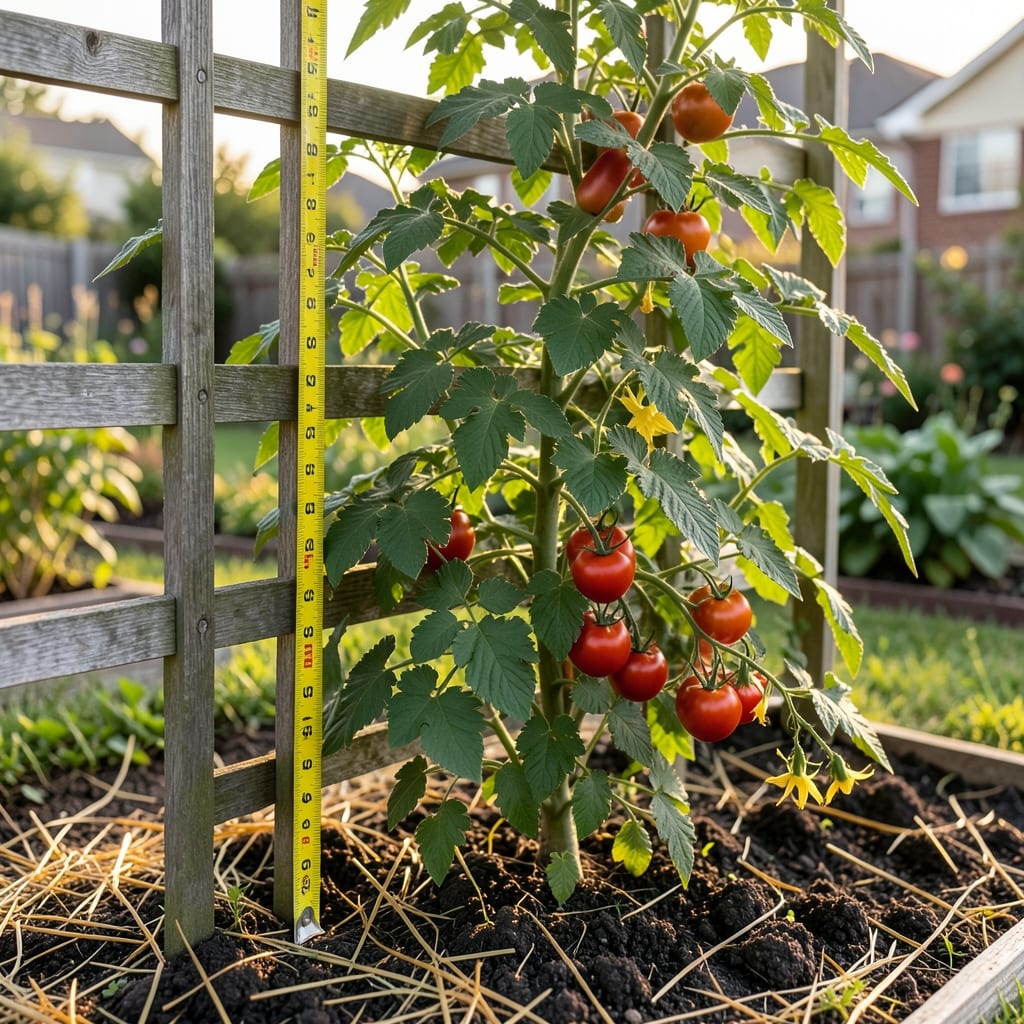
Indeterminate tomato vine growth limits by variety (with real-world examples)
Indeterminate tomatoes are the vertical superstars of the garden, with vines that can stretch 10+ feet or more under ideal conditions. Unlike their determinate cousins that grow bushy and stop at 3-5 feet, indeterminate varieties keep growing until frost—producing fruit along the way. But how tall can they really get? It depends on genetics, support systems, and your local climate.
In my Zone 8 garden, I’ve seen 'Brandywine' vines reach 14 feet with proper trellising, while 'Sungold' cherry tomatoes max out around 8-10 feet. The record? A 20-foot vine documented in California’s warm climate—though that’s rare for most home gardeners. Let’s break down what to expect by variety and how to push those limits safely.
🌱
| Variety | Typical Height | Max Recorded Height | Growth Notes |
|---|---|---|---|
| 'Brandywine' | 8–12 ft | 14 ft (with trellis) | Heavy fruit load; needs strong support |
| 'Cherokee Purple' | 6–10 ft | 12 ft (warm climates) | Slower growth; disease-resistant |
| 'Sungold' | 4–8 ft | 10 ft (compact growth) | Fast producer; lighter vines |
| 'Big Beef' | 6–10 ft | 13 ft (with pruning) | Hybrid; needs pruning for height |
| 'Black Krim' | 5–9 ft | 11 ft (cooler climates) | Cold-hardy; slower vine growth |
🌿 Height varies by climate, pruning, and support!
Genetics play a huge role in vine height. Heirloom varieties like 'Brandywine' often outgrow hybrids, but they may need more pruning and support to avoid snapping under the weight of fruit. In contrast, cherry tomato varieties like 'Sungold' grow faster but stay slightly shorter—perfect for smaller spaces or container gardening with a sturdy trellis.
Your local climate also dictates growth potential. In hot, humid zones (9-11), indeterminate tomatoes can grow 20% faster but may suffer from disease pressure if not pruned regularly. Meanwhile, in cooler climates (Zones 4-6), vines grow slower but benefit from longer fruiting seasons if protected from early frost.
Pruning is the secret weapon for controlling height while maximizing yield. I prune my 'Big Beef' plants by removing suckers (side shoots) weekly, which redirects energy to fewer, stronger vines. Without pruning, some varieties can become unmanageable tangles—especially in greenhouse settings where they have no natural growth limits.
💧
One common misconception is that taller vines always mean more tomatoes. In reality, overly tall, unpruned vines can produce smaller fruit due to limited sunlight and nutrient competition. The key is finding the sweet spot: tall enough for maximum yield, but not so tall that the plant struggles to support itself. For most home gardeners, 8-12 feet is the ideal range—achievable with a strong trellis or cage system.
If you’re planning to grow indeterminate tomatoes, start with dwarf or semi-dwarf varieties like 'Tiny Tim' (3-4 ft) to test your skills before tackling giants. And remember: support early! Waiting until the vines are already 6 feet tall makes training them nearly impossible. With the right variety and care, your indeterminate tomatoes could soon be reaching for the sky—literally!
How to support massive indeterminate tomato vines (trellis, cage, OR stake guide)
Indeterminate tomatoes can reach heights of 10–15 feet with proper support, but their sprawling vines need the right structure to thrive. Without adequate support, vines can become tangled, fruits rot, and stems snap under the weight of heavy tomatoes. The key is choosing a support system that matches your space constraints, garden layout, and plant variety. Whether you're working with a small balcony or a sprawling backyard, the right trellis, cage, or stake can transform your indeterminate tomatoes into a lush, productive vertical garden.
Support systems aren’t just about height—they also improve air circulation, reducing disease risks like blight and powdery mildew. Plus, well-supported vines produce larger, healthier fruits because energy isn’t wasted on flopping stems. For example, a 12-foot vine of 'Brandywine' tomatoes can yield 20+ pounds of fruit if properly trellised, compared to just 5–10 pounds without support. Let’s break down the best options for your garden.
| Support Type | Max Height | Best For | Pros | Cons |
|---|---|---|---|---|
| Trellis (DIY or Commercial) | 12–15 ft | Large gardens, vertical gardening | Maximizes space, improves airflow, reusable | Requires assembly, may need reinforcement |
| Cage (Commercial or Homemade) | 6–8 ft | Small spaces, containers, ease of use | No assembly, protects fruits from soil pests | Limited height, can trap moisture |
| Stakes (Single or Fluted) | 8–10 ft | Small plots, single plants, minimalists | Simple, low-cost, good for pruned plants | Limited support for heavy vines, requires tying |
| Florida Weave (DIY Trellis) | 10–12 ft | Backyard gardens, long rows | Strong, customizable, great airflow | Time-consuming to build, needs posts |
For DIY trellises, a Florida weave is my go-to because it’s sturdy and allows vines to sprawl naturally. Use 2x4 posts buried 2 feet deep and 1/4-inch galvanized wire stretched horizontally every 12 inches. This setup can handle 12–15-foot vines like 'Cherokee Purple' or 'Sungold'. If you’re short on space, a 5-foot tall cage works well for varieties like 'Sweet Million', though you’ll need to prune aggressively to keep it contained.
Commercial cages are a game-changer for beginners—they’re ready to use and protect fruits from soil-borne pests. Look for 6-foot cages with 16-gauge wire for durability. However, if you’re growing heirloom varieties like 'Brandywine', even the tallest cages may not be enough. In this case, combine a cage with additional stakes tied to the top for extra support. Always secure vines with soft plant ties or old T-shirts to avoid damaging the stems.
Pro tip: If your indeterminate tomatoes are growing faster than expected, reinforce supports mid-season. I once had a 'Black Krim' vine reach 14 feet by August—way taller than I anticipated! I added extra cross-bracing to my trellis and pruned the lower leaves to reduce weight on the stems. This kept the plant stable and boosted fruit production. Remember, pruning isn’t just about height control; it’s also about directing energy to the most productive parts of the plant.
No matter which support you choose, always harvest regularly to prevent vines from becoming top-heavy. Overloaded branches can snap, wasting your hard work. And if you’re in a windy climate, consider staking the trellis itself to the ground with guy wires for extra stability. With the right support, your indeterminate tomatoes can grow taller than your fence—and yield bigger harvests than you’ve ever imagined!