
Size
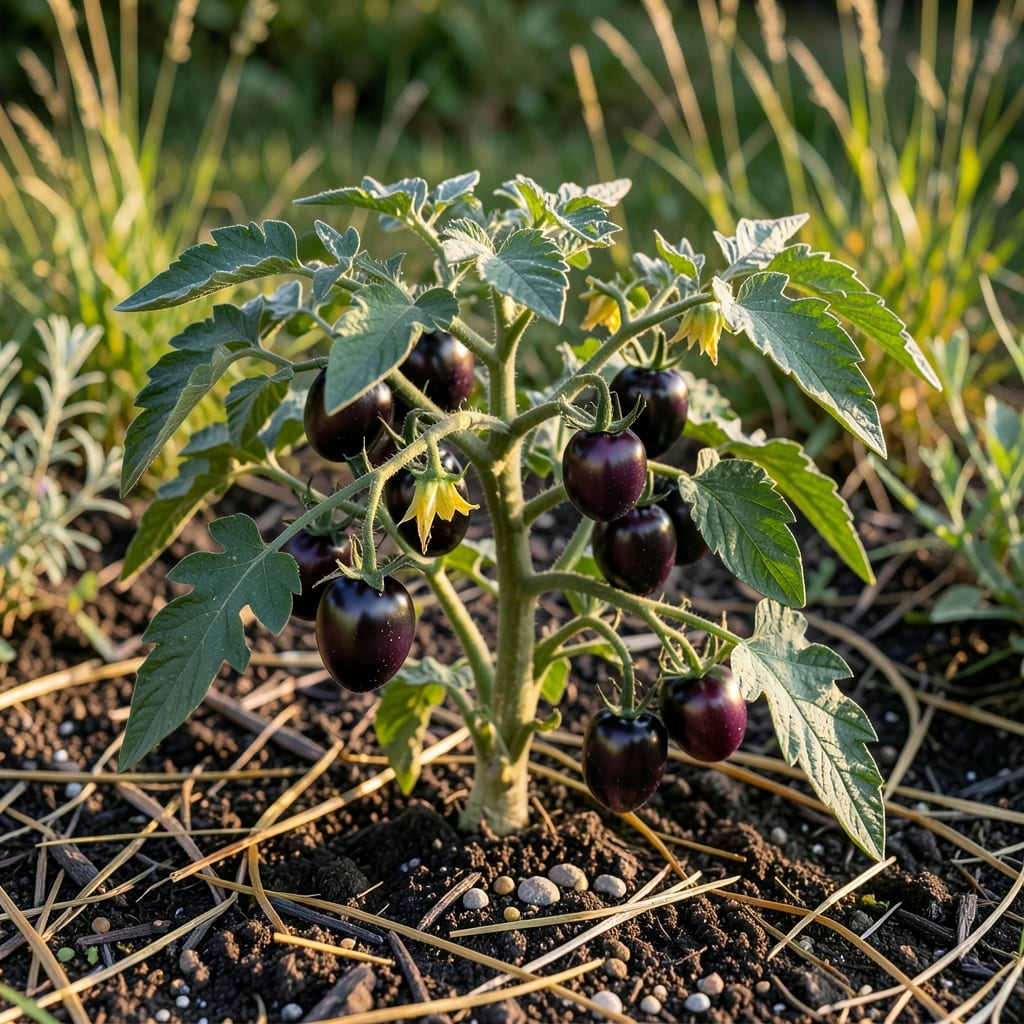
If you're planning your garden and wondering "how tall do Black Krim tomatoes grow", you're about to get the answers you need. These heirloom varieties are known for their rich, smoky flavor and striking dark purple hue—but their growth habits might surprise you.
Black Krim tomatoes typically reach heights between 4 to 6 feet when fully mature, making them a medium-sized variety that still needs plenty of vertical space. Unlike smaller bush types, they grow as indeterminate plants, meaning they keep producing fruit until frost if properly supported. This makes them perfect for trellises or sturdy cages, but poor support can lead to sprawling vines and lost harvests.
Whether you're working with limited space or a sprawling backyard, understanding their growth patterns is key to maximizing your yield. I’ll break down everything you need to know about spacing, support systems, and how to keep these plants thriving from seed to harvest.
Ready to grow your best crop yet? Let’s dive into the details so you can plan your garden like a pro.

Black Krim tomato height guide: expected growth ranges by plant type
Black Krim tomatoes are indeterminate varieties, meaning they grow continuously throughout the season until frost stops them. Unlike determinate types that stop at a fixed height, these plants can reach impressive heights if given proper care. On average, you’ll see them grow 4 to 6 feet tall, but with ideal conditions, they may even stretch closer to 7 feet.
What makes them unique is their vining habit. Without support, they sprawl outward, taking up more space than their height suggests. This is why vertical growing is essential—it saves space and improves air circulation, reducing disease risk. If you’re planning your garden layout, account for both their height and spread, which can reach 3 to 4 feet wide.
Their growth rate is another factor to consider. In the first 4 to 6 weeks after transplanting, you’ll see rapid vertical growth. By mid-summer, the plants will be fully established, and you’ll start noticing clusters of dark purple fruit forming along the vines. This is also when pruning becomes critical to manage their size and direct energy toward fruit production.
For comparison, determinate tomato varieties (like Roma or Celebrity) max out around 3 to 4 feet tall and produce fruit in a single cluster before stopping. Black Krims, however, keep producing new shoots and flowers all season long, making them a favorite for gardeners who love a steady harvest.
Here’s a quick breakdown of what to expect at different stages of growth:
| Growth Stage | Height Range | Spread | Notes |
|---|---|---|---|
| Seedling (4-6 weeks) | 6-12 inches | 1-2 feet | Transplant when sturdy |
| Early Summer (8-10 weeks) | 3-4 feet | 2-3 feet | Install support early |
| Mature (12+ weeks) | 4-6 feet | 3-4 feet | Prune for airflow |
| Late Season (Frost Risk) | Up to 7 feet | 4+ feet | Harvest remaining fruit |
If you’re growing Black Krims in containers, expect slightly shorter heights—around 3 to 5 feet—due to limited root space. However, their vines will still spread widely, so choose large pots (at least 18 inches in diameter) to accommodate their needs. Containers also allow you to move plants to sunnier spots if needed, which can help manage their growth.
One common misconception is that taller tomato plants always produce more fruit. While Black Krims can grow tall, their yield depends more on pruning and nutrient management than just height. Focus on removing suckers (the small shoots that form in the joint between the stem and branches) to encourage larger fruit and better air circulation. This keeps the plant’s energy focused on producing high-quality tomatoes rather than excessive foliage.
For gardeners in cooler climates (USDA zones 4-6), Black Krims may grow slightly slower but still reach their full height with proper care. In warmer zones (7-10), they thrive year-round if given consistent moisture and shade during peak heat. Always monitor soil moisture—underwatering or overwatering can stunt growth or lead to blossom end rot, which affects fruit quality.
To summarize, Black Krim tomatoes are medium-tall vining plants that need space to shine. With the right support and care, they’ll reward you with abundant, flavorful fruit all season long. Next, we’ll cover how to choose the best support system to keep your plants thriving and productive.
How to support Black Krim tomatoes: cages, trellises, and pruning tips
Choosing the right support system for your Black Krim tomatoes is just as important as understanding their height. Since these plants can grow 4 to 6 feet tall, proper support prevents sprawling vines, improves air circulation, and maximizes your harvest. Without support, their heavy fruit clusters can break branches or drag plants to the ground, leading to disease and lost tomatoes.
For indeterminate varieties like Black Krims, trellises or sturdy cages are your best bets. Trellises allow vines to climb vertically, saving space and making harvesting easier. Opt for 5 to 6-foot tall trellises made of wood, metal, or sturdy plastic to accommodate their mature height. If space is limited, a 5-foot cage with a wide diameter (at least 2 feet across) works well, though it may require occasional pruning to keep vines contained.
Here’s a quick comparison to help you decide between cages and trellises:
Trellises
- Saves space
- Improves airflow
- Easier to harvest
- Requires pruning
- May need reinforcement
- Less stable in wind
Cages
- Low maintenance
- No pruning needed
- Good for small spaces
- Can get crowded
- Harder to harvest
- Limited airflow
If you’re growing in containers, a 5-foot tall tomato stake or a small trellis works well. Stakes should be thick and sturdy (at least 1.5 inches in diameter) to support the plant’s weight. Tie vines to the stake using soft plant ties or old fabric strips every 1 to 2 feet to prevent damage to the stems. Avoid wire ties, as they can cut into the plant as it grows.
Pruning is another key factor in managing height and yield. Remove suckers (the small shoots that grow in the joint between the main stem and branches) every 1 to 2 weeks to encourage stronger growth and larger fruit. Focus on keeping 3 to 4 main stems to direct energy toward fruit production. Additionally, prune lower leaves to improve airflow and reduce disease risk. This is especially important for Black Krims, which are prone to blight in humid conditions.
For gardeners in windy areas, consider adding extra support like bamboo stakes or a windbreak to prevent vines from snapping. In high-heat zones, provide afternoon shade to protect plants from stress, which can stunt growth or reduce fruit quality. Regularly check your support system to ensure it’s still secure as the plant grows taller.
With the right support and pruning, your Black Krim tomatoes will thrive, producing abundant, flavorful fruit all season long. Next, we’ll cover common mistakes that can stunt their growth—and how to fix them before it’s too late.