
Plants
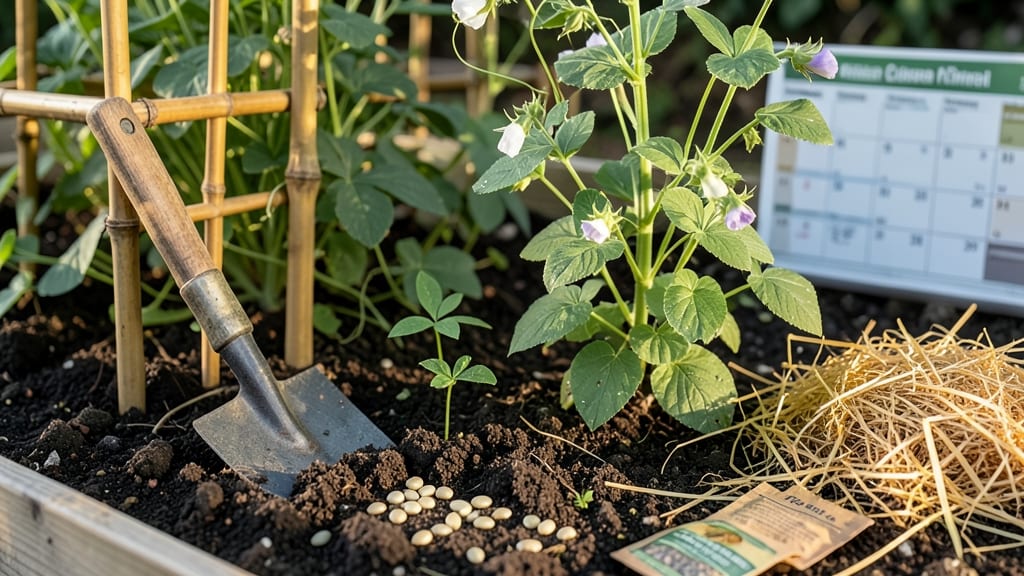
Timing your pea planting in Northern California can feel like solving a puzzle—one wrong move, and your seeds might end up as a snack for hungry critters instead of a harvest. The key?
Understanding your microclimate, whether you're in foggy coastal zones or sunbaked valleys, where frost dates shift like the tides. I'll break down exactly when to plant your 🌱 peas to maximize your chances of success, so you're not left guessing whether it's safe to sow or wait.
Most gardeners in zones 8a-10a reach for their pea seeds between February and April, but that's just the starting line. Coastal areas like San Francisco can plant earlier thanks to milder winters, while inland spots near Sacramento might need to wait until soil warms up.
The secret? Soil temperature matters more than calendar dates—aim for 40-75°F to kickstart those little sprouts without risking frost damage.
What you'll discover here are the frost-free deadlines tailored to your specific corner of Northern California, plus how to adjust for local quirks like marine layer delays or valley heat waves.
No more wasted seeds or missed harvests—just a clear roadmap to planting peas at the perfect moment for your garden's unique conditions.
Ready to turn your garden into a pea-producing powerhouse? Let's dive into the exact planting windows, soil prep tricks, and companion plants that will have your peas thriving from April through June. Your future harvest is waiting—just don't plant too early!
Northern California pea planting deadlines by microclimate Zone
Northern California’s diverse microclimates create unique challenges for pea growers. Coastal areas like San Francisco and Santa Cruz enjoy milder winters with delayed frosts, while inland regions such as the Central Valley (Sacramento, Stockton) face earlier freezes.
Understanding these variations ensures your peas thrive—whether you’re aiming for a fall harvest or a spring bounty.
Peas are cool-season crops that prefer temperatures between 40°F and 75°F. Planting too early in cold soil or too late when heat arrives can stunt growth or invite pests. Below, I’ve broken down the optimal planting windows for Northern California’s four key zones, including soil temperature thresholds for germination.
🌱 Soil Temperature Matters: Pea seeds germinate best in soil between 40°F and 80°F. Coastal areas often hit this range earlier than inland zones. Use a soil thermometer to confirm readiness—especially in USDA Zones 8-10.
| Zone | Last Frost Date | First Frost Date | Optimal Planting Window | Soil Temp for Germination |
|---|---|---|---|---|
| Coastal (SF, Santa Cruz) | November 15 | February 1 | October 15 - March 15 | 45°F - 70°F |
| Bay Area (Oakland, Berkeley) | December 1 | January 20 | September 20 - March 10 | 40°F - 65°F |
| Central Valley (Sacramento, Stockton) | December 15 | January 15 | September 1 - February 28 | 40°F - 75°F |
| Sierra Foothills (Chico, Redding) | November 10 | January 5 | August 15 - February 15 | 40°F - 60°F |
*Adjust dates 1-2 weeks earlier for high-altitude areas (e.g., Truckee, Tahoe).
For coastal gardeners, the window extends later into spring due to marine layer fog that keeps soil cooler. In contrast, Central Valley growers should plant by late February to avoid heat stress—peas bolt (flower prematurely) when temperatures exceed 80°F.
Pro tip: Use shade cloth if planting in May to protect tender seedlings.
If you’re aiming for a fall harvest, sow seeds 4-6 weeks before your first frost date. This gives peas enough time to mature before winter sets in.
For example, in Sacramento (Zone 8a), plant by November 1 for a late-winter harvest. In Santa Cruz (Zone 10a), you can stretch planting until March 15.
Peas thrive in well-draining soil with a pH of 6.0-7.5. Amend heavy clay soils with compost or sand to improve drainage. A trellis isn’t just for aesthetics—it saves space and reduces disease risk by improving airflow. Choose a north-south orientation to maximize sunlight exposure.
In high-altitude foothills like Chico, where nights can dip below freezing, opt for cold-hardy varieties like ‘Oregon Sugar Pod’ or ‘Green Arrow’. These tolerate brief frosts better than delicate sugar snap peas. Always plant after the soil warms to at least 40°F, even if air temperatures are milder.
Monitor your local Almanac frost dates and adjust planting accordingly. Coastal areas may see unpredictable fog delays, while inland zones can experience sudden heatwaves. Succession planting—sowing seeds every 2-3 weeks—extends your harvest window and ensures a steady supply of fresh peas.
Remember: Peas are fast growers—most varieties reach maturity in 60-75 days. Plan your schedule so you’re harvesting just as summer heat arrives. With the right timing, you’ll enjoy crunchy, sweet peas from late spring through early summer.
How to adjust pea planting for Northern California’s unpredictable weather patterns
Northern California’s microclimates can throw off even the most experienced gardener. Coastal areas like Santa Cruz experience persistent fog, while inland zones like Sacramento face sudden heatwaves. Peas thrive in cool temperatures (40-75°F), but these extremes demand flexibility in your planting strategy.
Start by selecting cold-hardy varieties like 'Green Arrow' or 'Lincoln' for early fall plantings. These varieties tolerate light frosts and extend your growing season. If coastal fog delays germination, opt for soil warming techniques like black plastic mulch to jumpstart growth.
🌱
5 Key Adjustments for Northern California Pea Planting
- Succession Planting: Sow seeds every 2-3 weeks from October to March to stagger harvests and avoid weather-related crop loss.
- Frost Protection: Use row covers or cloches for late fall plantings in Zone 8 areas (e.g., Sacramento) to shield tender seedlings.
- Heat Tolerance: For inland zones, choose heat-tolerant varieties like 'Sugar Snap' and plant in partial shade during summer months.
- Soil Prep: Amend soil with compost to retain moisture during dry spells and improve drainage in heavy clay areas.
- Watering Schedule: Water deeply in the morning to prevent fungal diseases, especially in foggy coastal regions.
Monitor your local frost dates closely—coastal areas may see late frosts in March, while inland zones can experience early frosts by December. Adjust your planting timeline accordingly, aiming for 4-6 weeks before the first frost for a fall harvest.
If unexpected heat arrives, provide shade cloth to protect young plants. Peas wilt quickly in temperatures above 80°F, so prioritize afternoon shade in exposed garden beds. Pair peas with companion plants like radishes or lettuce to optimize space and improve soil health.
Finally, always test your soil temperature before planting—peas germinate best in soil between 40-75°F. Use a soil thermometer to avoid planting too early in cold, damp conditions. With these adjustments, you’ll turn Northern California’s unpredictable weather into an advantage for a reliable pea harvest.
🌿