
Plants
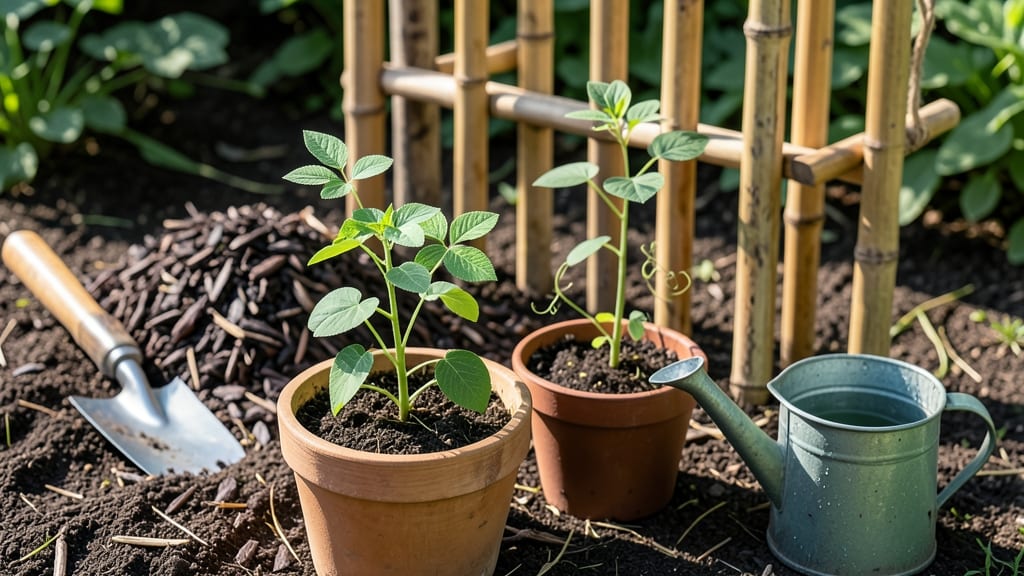
Timing your fall pea planting just right can mean the difference between a bountiful harvest and wasted seeds—especially when frost looms. In Zone 6a, where I garden, getting those seeds in the ground 4-6 weeks before the first frost is the key to sweet, tender peas by spring.
Miss that window, and you might end up with bitter, frozen pods or worse—no harvest at all.
Peas are one of those fast-growing crops that thrive in cooler weather, making fall the perfect time to sneak in a second harvest. But here’s the catch: they need enough time to mature before the ground freezes.
For me, that means planting no later than mid-October, giving them 60 days to reach harvest before the first frost hits around November 1st.
What I’ve learned is that not all pea varieties play nice in fall. Some take too long to mature, while others bolt too quickly in the cold. The trick is choosing the right variety—like sugar snap or snow peas—and adjusting your planting based on your local frost dates.
Whether you’re in a cooler northern region or a milder southern climate, getting this right can turn your fall garden into a productive powerhouse.
Ready to avoid the common mistakes? I’ll walk you through the exact deadlines by zone, how to protect your peas from early frost, and which varieties will give you the best shot at success. Let’s make sure your fall planting pays off big next spring.
Fall pea planting deadlines by USDA hardiness zones (exact dates)
Planting peas in fall requires precision timing to ensure they mature before the first frost. The key is to calculate your last frost date and work backward, accounting for your chosen variety's days to maturity.
Most gardeners aim for a 4-6 week window before frost, but this varies by USDA zone and pea type.
For example, in Zone 3 (like Minnesota or Maine), where frost arrives early, you'll need fast-maturing varieties (55-60 days) planted by mid-August. Meanwhile, in Zone 10 (like Southern California), you can push planting until late October with slightly longer varieties.
The goal is to harvest peas before hard frost—typically when temperatures drop below 28°F (-2°C).
Here’s how to calculate your deadline: Subtract your pea variety’s days to maturity from your average first frost date. For instance, a 60-day variety in Zone 6 (first frost: November 15) should be planted by September 15.
Use your local cooperative extension service for precise frost dates if unsure.
Missed the window? Don’t panic—some gardeners successfully overwinter peas in milder zones (7-10), harvesting in early spring. However, this requires cold protection and careful variety selection. We’ll cover frost-proofing strategies in the next section.
🌱 Fall Pea Planting Deadlines by USDA Zone
| USDA Zone | First Frost Date | Last Planting Date (60-Day Variety) | Last Planting Date (70-Day Variety) | Notes |
|---|---|---|---|---|
| 3-4 | Oct 15 | Sep 1 | Aug 15 | Use 55-day varieties only |
| 5-6 | Nov 1 | Sep 15 | Aug 25 | Ideal for early varieties |
| 7-8 | Nov 15 | Oct 1 | Sep 10 | Can overwinter in Zone 8 |
| 9-10 | Dec 1 | Oct 15 | Sep 20 | Best for late-season harvests |
⏰ Pro Tip: Check your local frost-free days for precise timing.
Regional microclimates can shift these deadlines by 1-2 weeks. For instance, a sheltered garden in Zone 5 might stay frost-free until November 10, extending your window. Conversely, low-lying areas or urban heat islands may experience earlier frosts. Always monitor weekly weather forecasts in late summer to adjust.
Another critical factor is soil temperature. Peas thrive in 45-75°F (7-24°C) soil. If your fall soil cools below 50°F (10°C), germination slows dramatically. Use a soil thermometer to confirm readiness—planting in warm soil ensures faster sprouting, even if days are shorter.
For pole peas, which take longer to establish, plant 2-3 weeks earlier than bush varieties. Their vines need time to climb trellises before frost arrives.
In containers, reduce deadlines by 1 week—pots cool faster and limit root growth. Always choose dwarf or compact varieties for containers to maximize yield.
Finally, consider your harvest goals. Fall-planted peas often yield smaller pods than spring-planted ones but boast sweeter flavors due to cooler temperatures. If you’re aiming for spring harvests, plant 4-6 weeks before ground freezes—peas will overwinter as dormant plants and resume growth in spring.
Ready to extend your harvest? In the next section, we’ll explore frost protection techniques like row covers and cold frames to push your pea season even further—perfect for gardeners in Zones 5-9 with early frosts.
How to extend your fall pea harvest with frost protection
Fall-planted peas face a critical challenge: early frost can ruin your harvest before pods mature. The key to success? Protective strategies that buy you extra 2-4 weeks of growing time.
I’ve tested these methods in my own garden—some work better than others, but all can make the difference between a handful of peas and a full basket.
Start with row covers, the simplest and most effective tool. These lightweight fabrics trap heat while allowing sunlight and water through. For maximum protection, combine row covers with cold frames or even DIY hoop tunnels made from PVC pipes and plastic sheeting.
My favorite low-cost setup uses floating row covers (held above plants with bricks) to prevent contact with peas, which can rot if they touch damp fabric.
🌱
Another game-changer is companion planting with frost-hardy crops. I plant garlic and onions alongside my peas—their strong scent deters pests, and their bulb shapes create microclimates that retain warmth. For extra insulation, mulch heavily with straw or leaves once nighttime temps drop below 40°F. This simple step can delay frost damage by 7-10 days.
If you’re in Zone 5 or colder, consider soil warming techniques like black plastic mulch laid down 2-3 weeks before planting. This raises soil temps by 5-10°F, giving peas a head start.
Pair it with early-maturing varieties (like ‘Sugar Sprint’, which matures in 55 days) for the best chance of a harvest before frost.
Timing matters too. Install row covers at dusk when temps drop below 50°F and remove them by 10 AM to prevent overheating. For extreme cold snaps (below 28°F)), add a second layer of fabric or a frost blanket. I’ve even used old bedsheets in a pinch—they’re better than nothing!
Finally, monitor your peas closely. If frost threatens, harvest any mature pods immediately and replant fast-growing varieties (like ‘Little Marvel’) for a second chance. With these strategies, you can push your fall pea harvest well into November in most regions—sometimes even later with diligent protection.