Vegetables
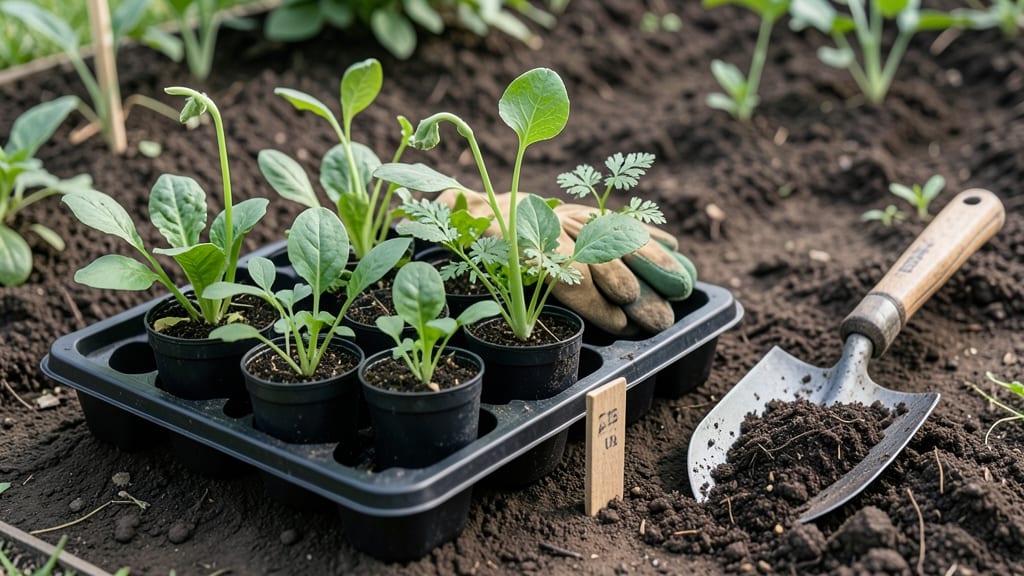
Timing your early spring vegetables planting in Zone 6 can mean the difference between a bumper harvest and a sad, wilted disappointment—especially when frost sneaks in unexpectedly.
I’ve watched my own 🥬 greens turn to mush because I planted too early, and I’m here to help you avoid that same mistake.
Zone 6’s 4-6 weeks before last frost window (mid-March to early April) is your golden opportunity, but getting it right takes more than just checking a calendar. Soil temperature, microclimates, and even last year’s frost dates play a role.
Let me break down exactly how to nail your planting schedule so your peas, lettuce, and spinach thrive—not just survive.
You’ll discover the fastest germination tricks for cold soil, how to adjust for late frosts, and a simple checklist to prep your garden before seeds even hit the dirt. No more guessing—just a foolproof plan tailored to Zone 6’s quirks.
Ready to grow a garden that’s bursting with flavor by May? Let’s get started with the exact steps that’ll have your early spring veggies off to a running start—no frost damage in sight.
Zone 6 early spring planting timeline by frost dates and soil warmth
Timing is everything when planting early spring vegetables in Zone 6. The average last frost date for most Zone 6 areas falls around mid-April, but this can shift 2 weeks earlier or later depending on your microclimate.
For a successful harvest, start with cold-hardy crops like spinach, peas, and lettuce 4-6 weeks before that date.
Use your local frost date as your guide—check the USDA Plant Hardiness Zone Map or ask your local Cooperative Extension Service for precise timing. In Zone 6a, you’ll likely plant 2 weeks earlier than in Zone 6b, where frosts linger longer.
Soil temperature matters just as much as air temperature. Most cool-season vegetables need soil temps of 40-50°F to germinate. Use a soil thermometer to confirm readiness—planting too early in cold soil can delay germination by 2-4 weeks or even kill seeds.
🌱 Key Takeaway: Start sowing hardy greens like kale and arugula as soon as the ground is workable, even if it’s still chilly. These cold-tolerant crops can handle light frosts and often produce sweeter leaves in cooler weather.
For warm-season vegetables, like tomatoes, peppers, and eggplants, the rules change. These heat-loving plants need soil temperatures above 60°F to thrive. In Zone 6
How to adjust planting times for fast germination in Zone 6’s unpredictable spring weather
Zone 6’s early spring weather can be a rollercoaster—one day warm and sunny, the next a surprise frost. To ensure your early spring vegetables germinate quickly and thrive, you’ll need to adjust planting times based on soil temperature and weather forecasts.
The key is to plant when soil reaches 40°F (4°C) for cold-hardy crops like peas and spinach, or wait until 50°F (10°C) for heat-loving varieties like tomatoes.
Start by checking your local frost dates—most Zone 6 areas experience their last frost around mid-April. For a head start, begin sowing 4-6 weeks before that date, but use row covers or cold frames to protect tender seedlings.
If nights are still chilly, opt for cold-tolerant varieties like kale, Swiss chard, or radishes, which can handle light frosts and even snow.
🌱 5 Proven Techniques for Faster Germination
- Soil warming: Use black plastic mulch or straw bales 1-2 weeks before planting to raise soil temp by 5-10°F.
- Seed soaking: Soak seeds in lukewarm water for 4-6 hours before planting to kickstart germination.
- Row covers: Lay floating row covers over seedlings to trap heat and protect from light frosts (28-32°F).
- Indoor starts: Begin heat-loving crops (tomatoes, peppers) indoors 6-8 weeks before last frost.
- Succession planting: Sow fast-growing crops (radishes, lettuce) every 2 weeks for continuous harvests.
Don’t let unpredictable spring weather derail your garden. If a late frost warning pops up, rush to cover seedlings with lightweight blankets or cardboard—even a 30-minute frost can damage tender leaves.
For warm-season crops, wait until soil is consistently 60°F (15°C) before transplanting, as cooler temps stunt growth and invite disease.
Another trick is to plant in raised beds, which warm up 1-2 weeks faster than in-ground soil. Fill them with a mix of compost and aged manure to boost fertility and improve drainage.
If your garden sits in a low-lying area, expect cooler soil temps and consider elevating beds or planting on a south-facing slope to maximize warmth.
Keep an eye on your local weather patterns—some Zone 6 areas (like Chicago) average 30°F nights in early April, while others (like Raleigh) may hit 50°F. Adjust your planting schedule accordingly, and don’t hesitate to start seeds indoors if outdoor conditions are too harsh.
With these adjustments, you’ll outsmart Mother Nature and enjoy a bountiful early harvest.
Remember, patience and preparation are key. Even if your first planting gets nipped by frost, a second sowing in late April can still yield a summer harvest. The goal is to stay flexible and adapt quickly—your garden will thank you with vigorous growth and abundant produce! 🌱