
Plants
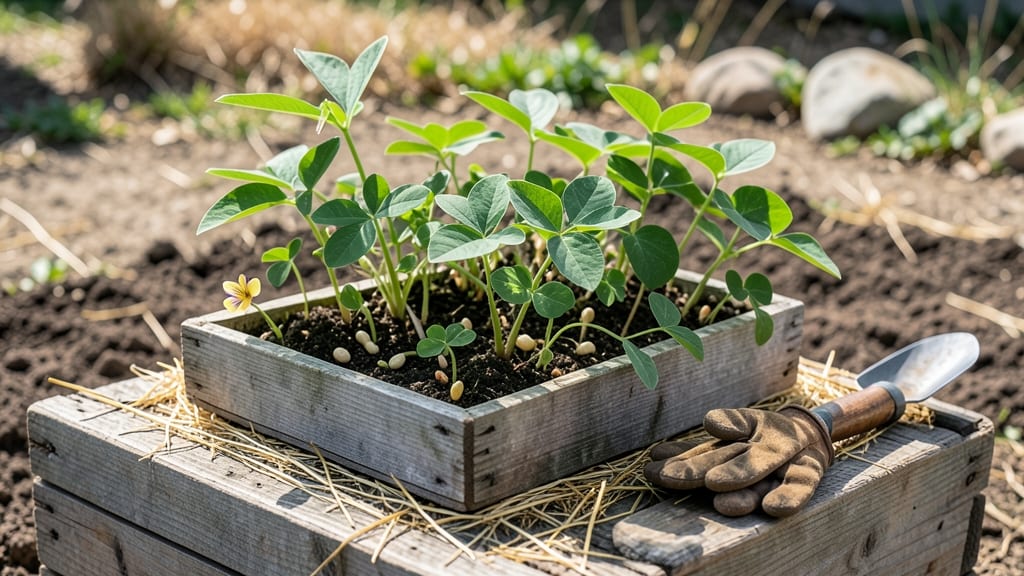
Timing your 🥜 peanut planting in South Carolina can make or break your harvest—get it wrong, and you might end up with stunted plants or wasted effort. The key window is short but critical: mid-April to early June, after the last frost, when soil temperatures hit 75°F+ consistently.
Why does this matter? Peanuts are frost-sensitive, and planting too early risks cold damage, while waiting too long cuts your growing season short. In SC’s 7b-8b zones, coastal areas have slightly more leeway than the Upstate, but the rule stays the same: warm soil and frost-free skies are non-negotiable.
I’ll break down the exact months to plant, how to prep your soil, and what to watch for—like moisture levels and pest risks—to ensure your peanuts thrive. Whether you’re a backyard gardener or a small-scale farmer, these insights will help you avoid common mistakes and maximize your yield.
Ready to turn your garden into a peanut powerhouse? Let’s dive into the best strategies for SC’s climate, so you can enjoy a bumper crop come harvest season.
Best planting months for peanuts in South Carolina’s climate zones
South Carolina’s USDA zones 7b–8b create a near-perfect environment for peanuts, but timing is everything. Plant too early, and frost can still nip your young seedlings. Plant too late, and your pods won’t mature before the first frost in early December.
The sweet spot? Mid-April to early June, once soil temperatures hit 75°F+ and all frost risk has passed.
Peanuts are heat-loving annuals that need 120–140 days to mature. In SC’s humid subtropical climate, this means starting seeds indoors in late March (if using transplants) or direct-sowing after the last average frost date, which varies by region.
Coastal areas like Charleston can plant 1–2 weeks earlier than Upstate zones like Greenville.
Here’s how SC’s three main regions differ:
| Region | USDA Zone | Ideal Planting Window | Soil Temp Threshold | Key Risk |
|---|---|---|---|---|
| Coastal (e.g., Charleston) | 8a–8b | Late March–mid-April | 75°F+ (earlier than inland) | Humidity + fungal diseases |
| Piedmont (e.g., Columbia) | 7b–8a | Mid-April–early May | 75°F+ (wait for warmth) | Late frost pockets |
| Upstate (e.g., Greenville) | 7a–7b | Early May–mid-June | 80°F+ (soil warms slower) | Short growing season |
Use a soil thermometer to confirm readiness—peanut seeds won’t germinate below 70°F. In cooler Upstate areas, opt for early-maturing varieties like Virginia types (90–100 days to harvest) to avoid cutting the season short.
Coastal gardeners can push the envelope with Spanish types (130–150 days), but monitor hurricane season risks after July.
Pro tip: Black plastic mulch warms soil faster and suppresses weeds. Lay it down 1–2 weeks before planting to give your peanuts a head start. Pair this with drip irrigation to maintain consistent moisture—peanuts hate drought stress during flowering (60–70 days after planting).
For container growing, start seeds in biodegradable pots by late April and transplant into 5-gallon buckets filled with well-draining soil. Place containers in full sun and keep soil temps above 80°F for best results. Containers dry out faster, so check moisture daily in summer.
Watch for leaf curl virus if planting late—aphids spread it easily in warm fall weather. If you miss the ideal window, consider fall-planted varieties like Runner types, but harvest before first frost (usually early December in most of SC).
Remember: Peanuts need heat to set pods. If your area experiences unseasonable cold snaps in May, delay planting until soil warms up. Use row covers for young plants if nighttime temps dip below 50°F—they’ll protect but not replace the need for warmth.
🌱
How to adjust planting dates for early vs. late varieties
South Carolina’s peanut varieties fall into two main categories: early-maturing (like Virginia types) and late-maturing (like Spanish types). Each requires a slightly different planting window to avoid frost damage or premature harvests before the first frost. Let’s break down the best strategies for both to maximize your yield.
Early-maturing varieties (90–120 days to harvest) like Virginia peanuts are your best bet for earlier planting—as soon as soil reaches 70°F+ in mid-April. These fast growers can handle a slightly shorter season and are ideal for gardeners in USDA Zone 7b who want to avoid late-summer heat stress.
Late-maturing varieties (120–160 days to harvest), such as Spanish types, need a later start—aim for early to mid-May—to ensure pods mature before the first frost in early December. These varieties thrive in Zone 8a-8b and benefit from the extended growing season.
Here’s how to adjust your timing based on your variety and location:
| Variety Type | Ideal Planting Window | Days to Maturity | Best For |
|---|---|---|---|
| Early (Virginia) | Mid-April to early May | 90–120 days | Zone 7b, shorter seasons |
| Late (Spanish) | Early to mid-May | 120–160 days | Zone 8a-8b, extended seasons |
For coastal SC gardeners (like Charleston), you can push early varieties to late March if your soil warms quickly, but avoid planting late varieties after June 1st—they won’t have enough time to mature before frost.
In the Upstate (Zone 7b), stick to early varieties planted by May 1st to avoid frost risks.
Pro tip: Use mulch to keep soil warm and extend your planting window by 1–2 weeks for late varieties. This is especially helpful in Zone 7b where nights can still dip below 60°F in early May.
🌱