
Watering
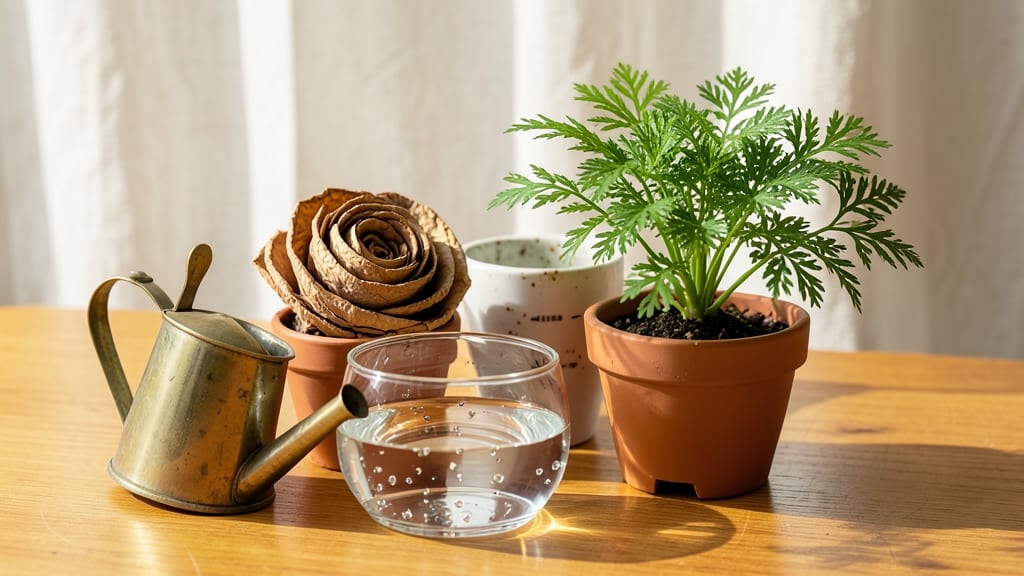
If you’ve ever wondered how much water a plant can survive without—then thrives again like nothing happened—the resurrection plant 🌵 holds the answer. This tiny, drought-proof marvel curls into a dry ball when neglected, only to unfurl into lush green within hours of a sip of water.
But here’s the catch: getting the watering balance right is the key to keeping it alive through its dramatic survival cycles.
Most gardeners assume drought-tolerant plants like this need zero water, but the resurrection plant actually prefers a precise schedule—one that mimics its natural desert rhythms. Too much water, and you’ll drown its roots; too little, and it won’t revive when you need it to.
I’ll break down the exact watering intervals, from its spring revival phase to its summer dormancy, so you never guess wrong again.
What’s even more fascinating? This plant doesn’t just survive dry spells—it thrives on them. The trick lies in reading its visual cues: curled leaves mean it’s conserving moisture, while a slightly wilted but firm stem signals it’s ready for a drink.
We’ll cover how to tell the difference between underwatering and overwatering, so your resurrection plant stays healthy year-round, whether it’s basking in a sunny windowsill or tucked into a container garden.
Ready to master the art of reviving this desert survivor? Let’s dive into the science-backed watering routine that keeps your resurrection plant 🌵 bouncing back—no matter how long it’s been dry.
How much water does a resurrection plant need during dormancy?
The resurrection plant (Selaginella lepidophylla) thrives on neglect—literally. During its dormancy phase, which typically spans 6-9 months, this desert survivor needs almost no water. In fact, overwatering here is the real killer.
Think of it like a cactus: let the soil dry out completely between waterings, then give it just enough to slightly moisten the roots—no soggy bottoms!
For indoor plants, aim for monthly watering during winter dormancy, or even less if your home is dry. If you’re growing it outdoors in containers, reduce watering to every 4-6 weeks—natural rainfall might suffice.
The key is to mimic its arid habitat, where water is scarce and unpredictable.
🌵
| Phase | Watering Frequency | Soil Moisture Goal | Environmental Notes |
|---|---|---|---|
| Active Growth (Spring) | Every 14-21 days | Top 1-2 inches dry | Bright light, 60-70% humidity |
| Dormancy (Summer-Fall) | Every 21-28 days | Completely dry | Reduce humidity, avoid misting |
| Winter Dormancy | Monthly or less | Bone-dry soil | Cool temps (50-70°F), minimal light |
| Revival Phase | Daily misting → Soak | Constant moisture | High humidity, indirect light |
Temperature plays a huge role in watering needs. In hot, dry climates, your resurrection plant can go longer without water—think 6-8 weeks between drinks. But if you’re in a humid environment (like a greenhouse), reduce that to every 3-4 weeks to prevent fungal issues.
Always check the soil: stick your finger in 1-2 inches deep—if it’s dry, it’s time to water.
One common mistake is assuming "more water = better revival." But overwatering during dormancy suffocates roots, leading to mold or rot. If your plant feels squishy or smells foul, it’s a sign you’ve gone too far.
The resurrection plant’s secret weapon is its ability to shrink and curl into a dry ball—this isn’t dehydration, it’s survival mode!
For container growers, use a well-draining mix like cactus soil + perlite (70/30 ratio). Terracotta pots help prevent root rot by wicking away excess moisture. If you’re growing it outdoors in-ground, amend the soil with sand or gravel to improve drainage.
The goal is to mimic its natural habitat—where water is scarce and soils are gritty.
💧
Seasonal adjustments are key. In spring, as your plant wakes from dormancy, increase watering to every 2 weeks and monitor for new growth. By late summer, taper off again to prep for dormancy.
Pro tip: Bottom-watering (placing the pot in a tray of water for 10 minutes) ensures roots get hydration without soggy leaves—a game-changer for resurrection plants.
Remember, this plant is a master of extremes. While it can survive months without water, it also revives in hours when rehydrated. The trick is balancing patience with precision. Overwatering kills it; underwatering just makes it curl up for a nap.
With the right watering schedule, your resurrection plant will thrive for decades, proving that sometimes, less is more.
How much water does a resurrection plant need during dormancy?
The resurrection plant (Selaginella lepidophylla) thrives on minimal water—especially during its dormancy phase. In nature, these plants survive months without rain by curling into a dry, papery ball.
For container-grown plants, mimic this cycle with infrequent watering to avoid root rot while keeping soil slightly moist but never soggy.
During active growth (spring and early summer), water every 2-3 weeks with just enough to moisten the top inch of soil. In summer dormancy, reduce watering to once every 4-6 weeks, allowing the soil to dry completely between waterings.
This mimics the plant’s natural survival strategy in arid climates.
| Phase | Watering Schedule | Soil Moisture Goal |
|---|---|---|
| Active Growth (Spring) | Every 14-21 days | Top 1 inch moist |
| Summer Dormancy | Every 28-42 days | Completely dry |
| Fall Revival Prep | Every 21-28 days | Lightly moist |
| Winter Dormancy | Monthly or less | Bone dry |
Environmental factors like humidity and temperature play a critical role. In low-humidity conditions (common indoors), water 50% less frequently than outdoor plants. If your home has high humidity (e.g., near a bathroom or kitchen), you can water slightly more often—but never let the soil stay wet.
Use a moisture meter or the finger test to check soil moisture. Stick your finger 1 inch deep—if it feels dry, it’s time to water. If it’s damp, wait another week.
Overwatering is the #1 killer of resurrection plants, as it mimics the conditions that trigger their papery dormancy state prematurely.
For outdoor-grown plants, rely on natural rainfall during dormant months. If you live in a dry climate, supplement with 1-2 deep waterings per month. In container gardens, pots dry out faster, so reduce watering by 30% compared to in-ground plants.
Pro tip: Group your resurrection plants with other succulents like hen-and-chicks or echeverias to create a low-water microclimate. This helps maintain consistent soil moisture levels without overwatering.
Remember, the goal is to mimic nature. In the wild, these plants survive years without rain—your goal is to keep them just dry enough to trigger their survival mode when needed. 🌵