
How To
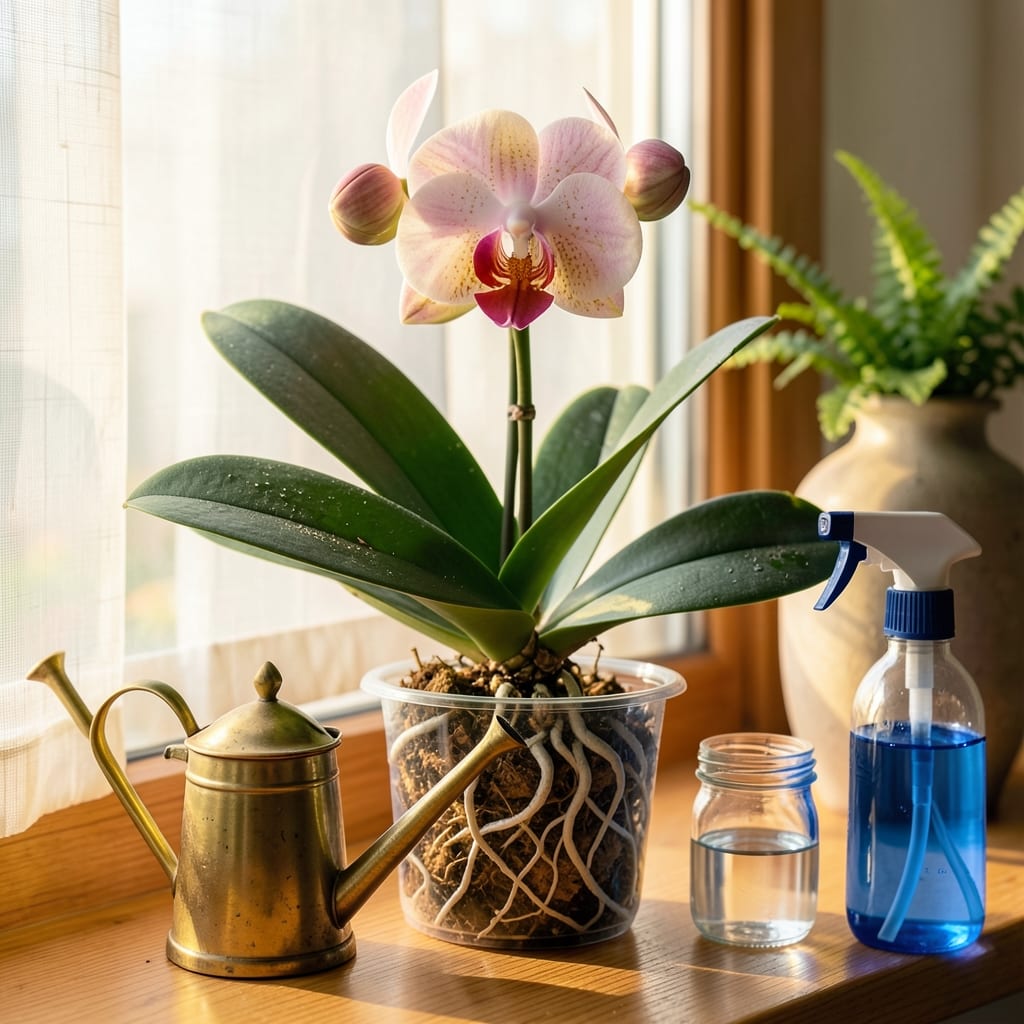
Figuring out how often to water mounted orchids can feel like walking a tightrope—one wrong move, and your stunning 🌸 could be in trouble. Unlike potted plants, these beauties thrive when their roots get just the right amount of moisture, not too much or too little.
The truth is, your watering schedule should shift with the seasons, your local humidity, and even the type of bark or substrate you're using. What works in steamy summer might drown your orchid by fall, while winter's dry air could leave it parched. I've tested the best methods over years of growing, and I'm about to share the exact routine that keeps my mounted orchids lush and blooming.
You'll discover how to read your orchid's subtle signals—like wrinkled roots or drooping leaves—that tell you exactly when it's thirsty. Plus, I'll debunk the biggest watering myths that have led even experienced growers to lose their plants. No more guesswork, just science-backed tips that work.
Whether you're a beginner struggling with your first mounted orchid or a seasoned grower looking to refine your technique, this guide gives you the precise schedule you need. Let's get your orchid the perfect drink—every time, without fail.
Mounted orchid watering schedule by season: exact frequency for spring, summer, fall, and winter
Mounted orchids need a precise watering schedule that shifts with the seasons. Unlike potted orchids, they rely on airflow and humidity to absorb moisture through their roots. In spring and summer, when growth is active, they need more frequent watering, while fall and winter demand a gentler approach to prevent rot. Let’s break down the exact schedule to keep your orchid thriving year-round.
Your orchid’s watering frequency depends on temperature, humidity, and airflow. For example, a mounted Phalaenopsis orchid in a humid greenhouse may only need watering every 5–7 days in summer, while the same plant in a dry indoor space might require daily misting. Always check the substrate moisture before watering—it should be slightly dry but not bone-dry.
Here’s a season-by-season breakdown to help you adjust your routine:
| Season | Watering Frequency | Ideal Time of Day | Signs of Overwatering | Signs of Underwatering |
|---|---|---|---|---|
| Spring | Every 5–7 days | Morning (9–11 AM) | Yellowing leaves, mushy roots, foul odor | Wrinkled leaves, dry roots, slow growth |
| Summer | Every 3–5 days (dry climates: daily misting) | Early morning (6–8 AM) | Root rot, blackened stems, mold | Drooping leaves, crispy root tips |
| Fall | Every 7–10 days | Late morning (10 AM–12 PM) | Stunted growth, leaf spots | Leaves curling inward, dull color |
| Winter | Every 10–14 days (or monthly in dry air) | Mid-morning (10 AM–12 PM) | Soft, squishy pseudobulbs, rot | Sharply wrinkled leaves, brittle roots |
In spring, your orchid is waking up from dormancy, so water it every 5–7 days to encourage new growth. Use a spray bottle or soak the mount for 10–15 minutes to ensure even moisture distribution. Avoid watering at night to prevent fungal growth from prolonged dampness.
During summer, heat and dry air increase evaporation, so check your orchid’s substrate daily. If the bark feels dry to the touch, water it every 3–5 days. For indoor setups, consider a humidifier nearby or place the mount on a tray with pebbles and water to boost humidity. Never let water pool in the crown of the plant—this is a common cause of rot.
As temperatures drop in fall, reduce watering to every 7–10 days. Your orchid’s growth slows, so it needs less moisture. Monitor for yellowing leaves, which can signal overwatering, or wrinkled pseudobulbs, a sign of thirst. Adjust based on your home’s humidity—dry indoor air may require more frequent misting.
In winter, most mounted orchids enter dormancy, so water them every 10–14 days or even monthly if your home is dry. Overwatering in winter is a silent killer—it mimics the damp conditions that cause root rot. Instead of soaking, use a light misting or dip the mount in water for just 5 minutes to avoid oversaturating the bark.
Pro tip: Use a digital hygrometer to track humidity levels. Aim for 40–70% humidity—any lower, and you’ll need to water more often. If your orchid’s roots are silver-green, it’s thirsty; if they’re dark green or brown, it’s getting too much water. Adjust your schedule based on these visual cues.
Remember, every orchid is unique. If your Phalaenopsis or Dendrobium starts dropping buds or leaves, revisit your watering routine. The key is consistency and observation—your orchid will thank you with vibrant blooms and lush foliage year-round! 🌸
How humidity and environment affect your mounted orchid’s water needs (with adjustment tips)
Your mounted orchid’s water needs aren’t just about seasons—they’re heavily influenced by humidity levels and airflow in your environment. In a humid greenhouse or bathroom, orchids absorb moisture from the air, reducing how often you need to water. But in a dry indoor space with forced air heating, they’ll dry out faster, demanding more frequent care. Understanding these factors lets you fine-tune your routine for perfect moisture balance.
Indoor environments often struggle with low humidity, especially in winter when heaters suck moisture from the air. If your home’s humidity drops below 40%, your orchid’s roots may dry out between waterings. This is why many growers place their mounted orchids in kitchens or bathrooms, where humidity naturally stays higher. Even a simple pebble tray with water beneath the mount can boost local humidity by 10–20%, cutting watering frequency by half.
Humidity & Environment Adjustments
✅ High Humidity (60%+)
- Water every 7–14 days
- Roots stay green-silver longer
- Less risk of root rot
- Ideal for greenhouses or bathrooms
❌ Low Humidity (30%–40%)
- Water every 3–5 days (or mist daily)
- Roots turn silver-gray quickly
- Higher risk of dehydration
- Common in heated homes or AC climates
💡 Pro Tip
Use a hygrometer near your orchid to track humidity. Aim for 50–70%—any lower, and increase misting or use a humidifier.
Outdoor environments offer a different set of challenges. If your mounted orchid lives on a porch or patio, it’s exposed to wind and direct sun, which dry out the bark faster. In these cases, water every 2–3 days in summer, even if humidity is moderate. Conversely, if your orchid is shaded under a tree canopy, it may only need watering every 10–14 days because the natural humidity stays higher.
Airflow is another critical factor. Mounted orchids need circulation to prevent rot, but too much wind can dry them out. If your orchid is in a high-traffic area with drafts (like near an open window or fan), reduce watering slightly to avoid over-drying. Conversely, if it’s tucked in a corner with poor airflow, water less frequently to prevent stagnant moisture. The key is finding that sweet spot where roots stay hydrated but never soggy.
Common mistakes often stem from ignoring these environmental cues. For example, many growers overwater in winter because they assume orchids need more moisture in cooler months—but the opposite is true. In dry indoor air, orchids actually need less water because their roots absorb humidity from the air. Pay attention to your orchid’s root color: if they’re dark green, you’re overwatering; if they’re silver-gray, it’s time to hydrate.
To troubleshoot, start by monitoring your environment for a week. Note the humidity levels, airflow, and temperature fluctuations. Adjust your watering based on these observations—your orchid will show you what it needs through its leaves and roots. With these adjustments, you’ll create the perfect microclimate for your mounted orchid, ensuring it thrives year-round! 🌿