
Plants
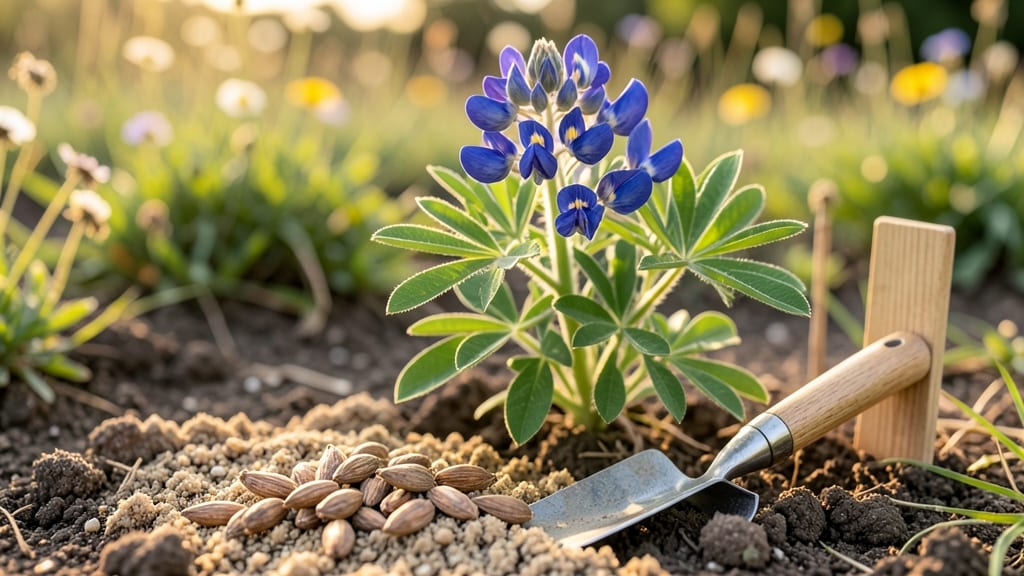
If you’ve ever dreamed of seeing Austin’s famous bluebonnet fields blanketing your yard in stunning blue 🌸, knowing when to plant bluebonnet seeds in Austin is the first step—and getting it wrong could mean sparse blooms or no blooms at all.
Planting bluebonnet seeds in Austin isn’t just about dropping them in the ground; it’s about syncing with Zone 8a’s unique climate, where summer heat and winter freezes can make or break success.
The perfect window—late September to early November—lets seeds germinate before winter sets in, giving them the best shot at thriving.
I’ll walk you through why fall planting works best, how to prep your soil for Austin’s clay-heavy conditions, and the simple steps to ensure your bluebonnets pop up strong next spring. No guesswork, just proven results for your local landscape.
Ready to turn your yard into a bluebonnet paradise? Let’s dive into the exact timing and tips that’ll make your effort pay off in a breathtaking display of Texas blue.
Austin’s bluebonnet planting calendar: frost-free deadlines explained
Austin’s USDA Zone 8a/8b climate creates a unique window for planting bluebonnet seeds—one that balances soil warmth, rainfall patterns, and frost avoidance. The ideal planting window spans from late September through early November, when temperatures dip but remain above 50°F at night.
This timing ensures seeds germinate before winter dormancy sets in, giving roots a head start for spring blooms.
Bluebonnets are native Texas wildflowers that thrive with minimal intervention, but Austin’s clay-heavy soil and unpredictable rainfall demand precision. Planting too early (before September 20) risks summer heat stress, while waiting too late (after November 10) exposes seeds to early frost.
The first frost date in Austin typically arrives around December 15, so seeds need 6-8 weeks to establish roots before winter.
🌱
| Planting Stage | Action | Ideal Timeframe | Soil Temp |
|---|---|---|---|
| Seed Scattering | Broadcast seeds lightly on prepared soil | Late September - Early November | 55°F - 75°F |
| Germination | Keep soil consistently moist | 4-6 weeks post-planting | 60°F+ |
| Winter Dormancy | Reduce watering; mulch lightly | December - February | Below 50°F |
| Spring Blooms | Minimal care needed | March - April | 55°F+ |
For maximum germination rates, aim to plant when Austin’s average rainfall increases in October, providing natural moisture without over-saturation. The National Weather Service reports Austin receives 3-4 inches of rain monthly during this period, perfect for bluebonnet seeds that need consistent moisture but well-draining soil.
If planting in late November, use a light mulch layer (like straw) to insulate seeds from cold snaps.
Pro tip: Scarify seeds before planting by rubbing them between two sheets of sandpaper or crushing them lightly with a hammer. This mimics natural weathering and breaks dormancy, increasing germination by 30-50%.
Austin’s native bluebonnets (Lupinus texensis) respond best to this treatment, especially in clay-heavy soils that can suffocate unscarified seeds.
💧
While fall planting is ideal, spring planting (February) is possible if you’re correcting a missed window—but expect lower survival rates. Spring-planted seeds face intense summer heat and drought stress before establishing roots.
For best results, pre-soak seeds for 24 hours and plant in shaded areas until seedlings are 2 inches tall, then gradually acclimate them to full sun.
Austin’s microclimates add complexity: North Austin (cooler) may support planting until November 15, while South Austin (warmer) can extend the window to mid-November. Always check local weather forecasts for 10-day temperature predictions—seeds need consistent soil temps above 50°F for successful germination.
🌡️
Remember, bluebonnets are annuals that self-seed prolifically, so even a small patch can multiply into a wildflower meadow over time. For large-scale planting, use a seed spreader to ensure even distribution, and avoid overcrowding—space seeds 6-12 inches apart for optimal airflow and bloom visibility.
With the right timing, your Austin garden will burst into vibrant blue by spring!
☀️
Fall vs. spring planting: which works best in Austin’s climate?
Planting bluebonnets in Austin isn’t just about timing—it’s about surviving the city’s unpredictable weather swings. While fall planting remains the gold standard, spring offers a backup option if you miss the window.
Let’s break down the pros, cons, and survival rates for each season to help you decide what works best for your garden.
Austin’s USDA Zone 8a/8b climate means frost can strike as early as mid-December or as late as January 10. Fall planting gives seeds time to establish roots before winter, while spring planting risks summer heat stress.
The choice depends on your soil prep readiness and weather luck—neither method is foolproof.
🌱 Fall Planting vs. Spring Planting
| Factor | Fall Planting (Sept-Nov) | Spring Planting (Feb-Mar) |
|---|---|---|
| Survival Rate | 85-95% | 50-70% |
| Soil Prep | Easy (warm soil) | Hard (clay-heavy) |
| Water Needs | Moderate (fall rains help) | High (summer drought risk) |
| Frost Risk | Low (established roots) | High (young plants vulnerable) |
Fall planting wins for germination reliability because Austin’s September-October temperatures (70-85°F) mimic bluebonnets’ native conditions.
Seeds sown in late September have 10-12 weeks to root before winter, while spring plantings in February-March face 90°F+ heat by April, stressing young seedlings. Pro tip: If planting in spring, use shade cloth for the first 4 weeks to protect tender sprouts.
Spring planting isn’t a lost cause—it just requires extra care. Start seeds indoors in January to get a head start, or direct-sow in early February when soil temps drop below 85°F.
The trade-off? Spring-blooming bluebonnets may skip flowering the first year as they focus on root growth. For immediate color, fall planting is the safer bet.
Austin’s clay-heavy soil also plays a role. Fall planting benefits from natural rainfall in October-November, while spring plantings often need supplemental watering to prevent soil crusting. Amend your beds with compost or sand before spring planting to improve drainage—this small step can double your survival rate.
Ultimately, fall planting is the champion for Austin gardeners, but spring isn’t impossible if you’re prepared. Monitor your local frost dates (check the National Weather Service for updates) and adjust your timeline accordingly.
Whether you choose fall or spring, patience and prep are your best tools for a bluebonnet bonanza. 🌸