
Trees
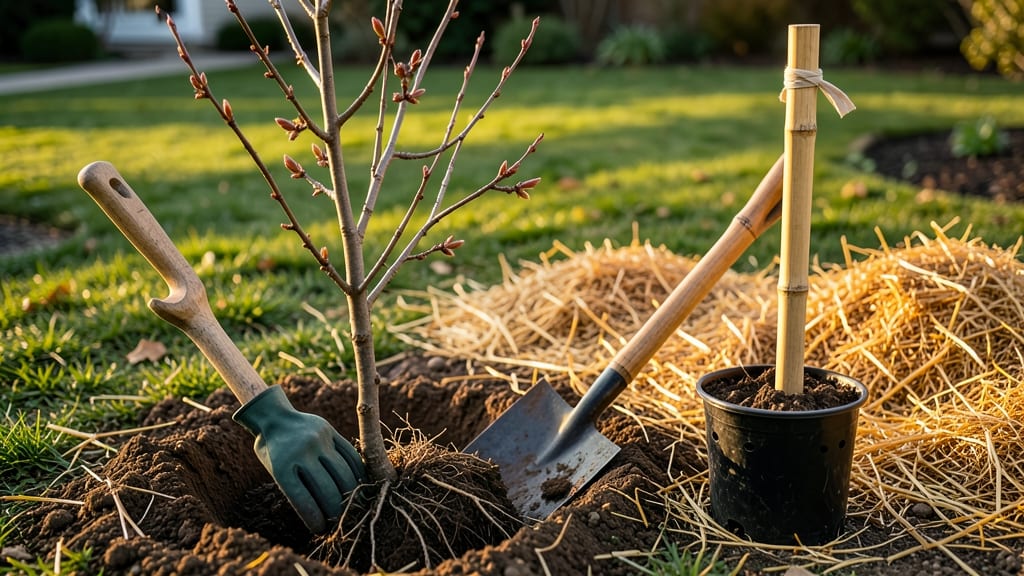
Planting a peach tree 🍑 in Virginia at the wrong time could mean the difference between a thriving orchard and a frost-killed sapling—and trust me, you don’t want to risk losing your investment before it even takes root.
With Virginia’s diverse USDA zones 6a-8a, timing isn’t just important—it’s the key to success. Whether you’re in the cooler mountains or the warmer coastal plains, knowing exactly when to plant ensures your tree gets off to the strongest start possible.
I’ll walk you through the ideal planting window—from late winter to early spring—and how to adjust for Virginia’s microclimates. You’ll learn how to avoid late frosts, prepare your soil, and choose the right variety for your zone.
By the end, you’ll have a clear, zone-specific plan to plant your peach tree with confidence, setting it up for years of sweet harvests. Let’s get started!
Virginia’s USDA zones and the best planting months for peach trees
Virginia’s diverse climate—spanning USDA zones 5b through 8a—creates unique challenges and opportunities for peach tree growers. The last frost date shifts dramatically across the state, from March 1 in zone 6a to April 1 in zone 8a, making timing everything for your tree’s survival.
Planting too early risks frost damage, while waiting too long delays root establishment before winter dormancy.
Peach trees thrive when planted during their dormant season, typically between late winter and early spring. This window ensures roots establish before buds break, giving young trees a fighting chance against Virginia’s unpredictable late frosts.
Container-grown trees offer slightly more flexibility, but even they need 4-6 weeks before last frost to acclimate.
Soil temperature is just as critical as air temperature. Roots won’t activate until soil reaches 40°F or warmer. In Virginia’s cooler northern zones (6a-7a), aim for March planting when soil warms consistently.
Meanwhile, southern Virginia (7b-8a) can safely plant as late as early April, with minimal frost risk after that date.
🌱 Virginia Peach Tree Planting Guide by USDA Zone
| USDA Zone | Last Frost Date | Best Planting Window | Soil Temp Requirement | Frost Risk After Planting |
|---|---|---|---|---|
| 5b-6a | March 1 | Late February - Mid-March | 40°F+ | High (late frosts common) |
| 6b-7a | March 15 | Mid-March - Early April | 40°F+ | Moderate (occasional late frosts) |
| 7b-8a | April 1 | Late March - Early April | 45°F+ | Low (minimal frost risk) |
💡 Pro Tip: Use a soil thermometer to confirm ground temps before planting—cold soil delays root growth.
Bare-root peach trees—common in nurseries—require immediate planting upon arrival to prevent root desiccation. These should go into the ground within 1-2 days of purchase, ideally during late winter dormancy.
Container-grown trees, however, offer more flexibility and can be planted up to 6 weeks before last frost, making them ideal for Virginia’s variable climate.
For northern Virginia (zones 6a-7a), prioritize early March planting to capitalize on spring soil warming. In central Virginia (zone 7b), late March works well, while southeastern Virginia (zone 8a) can extend planting into early April.
Always check local Almanac frost predictions—Virginia’s Piedmont region often experiences 10-14°F dips even after March.
Peach trees planted in fall (September-October) are possible in Virginia’s warmer zones (7b-8a), but this requires well-draining soil and protection from early frosts. Young trees need 3-4 weeks of root establishment before winter dormancy, so timing is tighter than spring planting.
Always mulch heavily to insulate roots from temperature swings.
Local nurseries like Mountain Valley Nursery (Roanoke) and Virginia Cooperative Extension recommend Elberta and Redhaven varieties for Virginia’s climate, as they tolerate the state’s humidity and heat while producing reliable yields. These varieties also handle late-spring frosts better than delicate hybrids.
Remember: Peach trees need full sun (6-8 hours daily), so choose a south-facing location with well-draining soil. Amend clay-heavy Virginia soils with compost and sand to prevent root rot—a common issue in the state’s humid summers. A slightly acidic pH (6.0-6.5) is ideal for maximizing nutrient uptake.
Finally, avoid planting near walnut trees, as juglone toxicity from black walnuts stunts peach tree growth. Virginia’s Appalachian foothills and Tidewater regions both offer excellent peach-growing conditions when planted at the right time—just follow your USDA zone guidelines and soil prep tips for success. 🌳
How to choose planting dates based on Virginia’s microclimates
Virginia’s diverse geography—from the coastal plains to the Blue Ridge Mountains—creates microclimates that drastically affect peach tree planting. Coastal areas like Norfolk (Zone 8a) enjoy milder winters, while Roanoke (Zone 7a) faces harsher freezes.
These differences mean your planting window could shift by 4-6 weeks depending on location.
For coastal Virginia, aim to plant peach trees in February-March when soil temperatures hover around 45°F. Inland areas like the Piedmont (Zones 6b-7a) should wait until March-April, aligning with average last frost dates of March 15.
Mountain regions (Zones 6a-5b) have the latest windows—April-May—to avoid late-spring frosts that can kill young shoots.
Soil temperature is your best guide. Use a soil thermometer to confirm the ground is above 40°F at 8 inches deep. In Zone 8a, this often happens by early February, while Zone 6a may not reach it until late March.
Pro tip: Bare-root trees can handle slightly cooler soil than container-grown ones.
| Region | USDA Zone | Ideal Planting Window | Soil Temp Threshold | Frost Risk |
|---|---|---|---|---|
| Coastal Plains | 8a | February 15 - March 15 | 40-45°F | Low (mild winters) |
| Piedmont | 6b-7a | March 15 - April 15 | 45-50°F | Moderate (late frosts) |
| Mountains | 5b-6a | April 1 - May 1 | 50-55°F | High (early/late frosts) |
Rainfall patterns also play a role. May planting in mountain regions risks soggy soil, while February in coastal areas may need supplemental watering. Check your local NOAA frost probability maps—they show 90% frost-free dates that align with safe planting windows.
For example, Richmond (Zone 7b) hits this mark around March 22, while Blacksburg (Zone 6a) waits until April 5.
If you’re in a transition zone (like Charlottesville at Zone 7a), consider container planting for extra flexibility. Containers warm up faster in spring and let you move trees to sheltered spots if frost threatens. Just ensure pots have drainage holes and use well-draining soil mixes to prevent root rot.
Don’t forget to monitor local weather forecasts for late-spring frost warnings. Even if soil is warm, a 28°F night can devastate new growth. In Zone 6a, I’ve seen peach blossoms killed by April frosts—always have row covers ready if planting late.
For extra protection, choose late-blooming varieties like ‘Redhaven’ or ‘Elberta’, which tolerate cooler springs.