
Trees
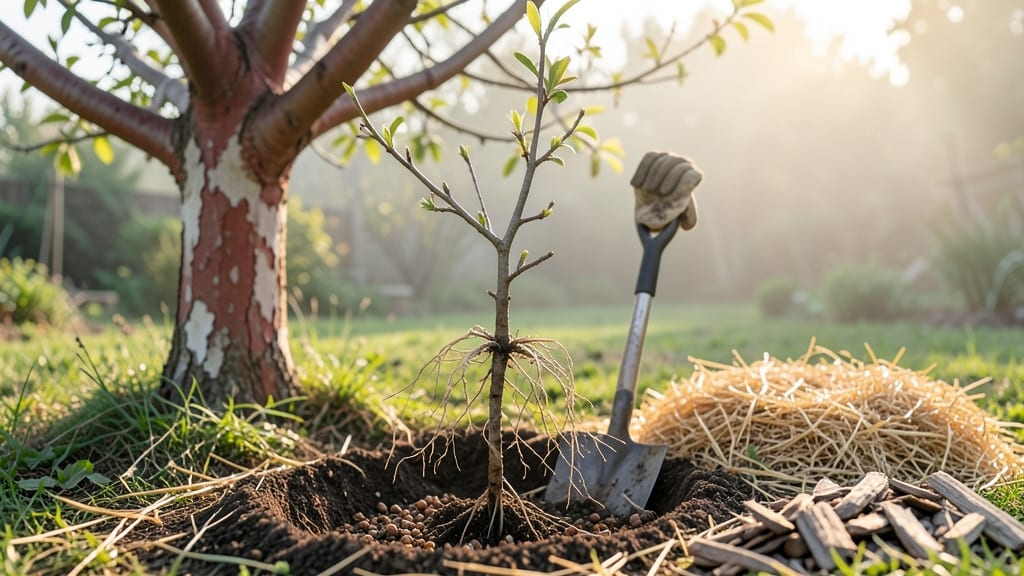
Timing your 🍑 peach tree planting in Tennessee isn’t just about following a calendar—it’s about outsmarting the region’s unpredictable frosts and giving your tree the best shot at thriving for decades.
Plant too early in zones like 6a-7b, and you risk exposing delicate roots to late freezes that can stunt growth or even kill your young tree.
Most Tennessee gardeners swear by early spring planting—after the last frost date (typically around mid-March)—but there’s actually a 2-month window (February through April) where conditions are just right.
The key? Soil temperature matters more than air temperature, and waiting until the ground warms to at least 50°F ensures strong root development before summer heat arrives.
If you’re eager to get started, late winter planting (February) can work in milder microclimates, but it requires extra care—like mulching and frost protection.
I’ll walk you through the exact steps to prepare your soil, choose the right varieties for your zone, and avoid common mistakes that turn promising starts into disappointing failures.
By the end, you’ll know not just when to plant, but how to set your 🍑 peach tree up for a lifetime of sweet harvests—no guesswork, just proven Tennessee-specific strategies. Let’s get those roots growing the right way.
Best planting months in Tennessee by USDA Zone: a Zone-specific guide
Tennessee’s diverse climate zones (5b through 8a) create unique challenges for peach tree planting.
In cooler zones (5b-6a), like the Appalachian highlands, you’ll need to plant earlier in late winter to avoid spring frosts, while warmer zones (7a-8a), such as Memphis or Nashville, offer a longer spring window.
The key is planting when soil temperatures reach at least 45°F (7°C)—this ensures roots establish before summer heat arrives.
Most Tennessee gardeners should aim for late February to early April, but your exact timing depends on your local last frost date. For example, Chattanooga (Zone 7a) typically plants in March, while Bristol (Zone 6b) may need to wait until mid-April.
Always check your local agricultural extension service for precise frost data—this is non-negotiable for peach trees, which are frost-sensitive when young.
Peach trees enter dormancy in fall, so planting in early spring (just as buds begin to swell) gives roots time to grow before summer’s heat.
If you miss the spring window, fall planting is possible but risky—only attempt it in Zone 7a and warmer, and 6-8 weeks before first frost. In colder zones, fall-planted trees may not survive winter.
Here’s the zone-by-zone breakdown you need to know before digging that first hole:
| USDA Zone | Best Planting Window | Soil Temp Threshold | Key Consideration |
|---|---|---|---|
| 5b-6a (e.g., Johnson City, Knoxville) | Late March–Mid-April | 45–50°F (7–10°C) | Avoid late frosts; mulch heavily. |
| 6b-7a (e.g., Chattanooga, Nashville) | Mid-February–Early April | 50–55°F (10–13°C) | Flexible window; monitor bud swell. |
| 7b-8a (e.g., Memphis, Jackson) | Late January–March | 55–60°F (13–16°C) | Can plant earlier; watch for heat stress. |
🌱 Pro Tip: Use a soil thermometer to confirm readiness—roots need warmth to thrive!
Timing isn’t just about the calendar—it’s about root growth cycles. Peach trees need 6-8 weeks of warm soil before summer to establish roots deeply. If you plant too early in Zone 5b-6a, roots may stay dormant, while planting too late in Zone 7b-8a risks summer drought stress.
Balance is key: aim for 2-3 months before your last frost date.
Another critical factor is dormancy breaking. Peach trees planted in late winter benefit from the natural chill hours Tennessee’s winters provide.
If you’re in a warmer microclimate (like a sheltered valley), your tree may need additional cold exposure—check your variety’s chill hour requirements (most Tennessee varieties need 500-1,000 hours below 45°F).
For container-grown peach trees, timing shifts slightly. Containers warm up faster, so you can plant 1-2 weeks earlier than in-ground trees. However, container roots are more vulnerable to temperature swings, so avoid planting before mid-March in most zones.
If you’re using containers, prioritize insulated pots and move them to a protected location if frost is forecasted.
One common mistake Tennessee gardeners make is planting bare-root trees too late. Bare-root peaches should be planted immediately after purchase (they dry out fast), and the soil must be workable.
If you buy bare-root trees in winter, store them in a cool, moist place (like a basement) until planting day. For container-grown trees, you have more flexibility but still need to plant before bud break.
Finally, consider microclimates within Tennessee. A south-facing slope in Zone 6a might warm up enough for early March planting, while a low-lying area could delay planting until April.
Observe your yard’s frost pockets—these are the last places to plant, as cold air settles there. Use windbreaks or mounds to protect young trees if needed.
By aligning your planting with your USDA zone, soil temperature, and local frost patterns, you’ll give your peach tree the best start possible. Next, we’ll dive into soil prep and post-planting care to keep those roots thriving once they’re in the ground. 🌳
How to prepare your Tennessee soil for peach tree planting: timing + techniques
Timing your soil preparation is just as critical as choosing the right planting window for peach trees in Tennessee. Cold, wet springs can delay work, while dry spells may require extra irrigation.
Start prepping your soil 4-6 weeks before planting—this gives nutrients time to integrate and ensures roots have ideal conditions from day one.
Peach trees thrive in well-draining, slightly acidic soil with a pH between 6.0 and 6.5. Tennessee’s clay-heavy soils often need amendment to improve aeration and drainage. Test your soil in early February (before planting season) to identify deficiencies and adjust accordingly.
For optimal drainage, mix in 2-3 inches of compost or aged manure into the top 12-18 inches of soil. In heavier clay soils, blend in sand or perlite to prevent compaction.
Spread a 3-inch layer of mulch (wood chips or straw) around the planting hole to retain moisture and regulate soil temperature.
If your soil tests too acidic, apply lime (calcium carbonate) in early spring (2-3 months before planting). For alkaline soils, work in sulfur or peat moss to lower pH. Peach trees are sensitive to salt buildup, so avoid over-fertilizing with synthetic blends—opt for organic matter instead.
Schedule a deep watering session 2-3 days before planting to settle the soil. This helps create a moist, crumbly environment that encourages root expansion. After planting, water deeply 2-3 times per week for the first month to encourage root establishment, especially in Tennessee’s dry spring months.
Pro tip: Dig a 12-inch-deep hole and fill it with water. If it drains in less than 4 hours, your soil is too sandy—mix in compost to retain moisture. If it takes longer than 6 hours, amend with sand or gravel for better drainage.