
Trees
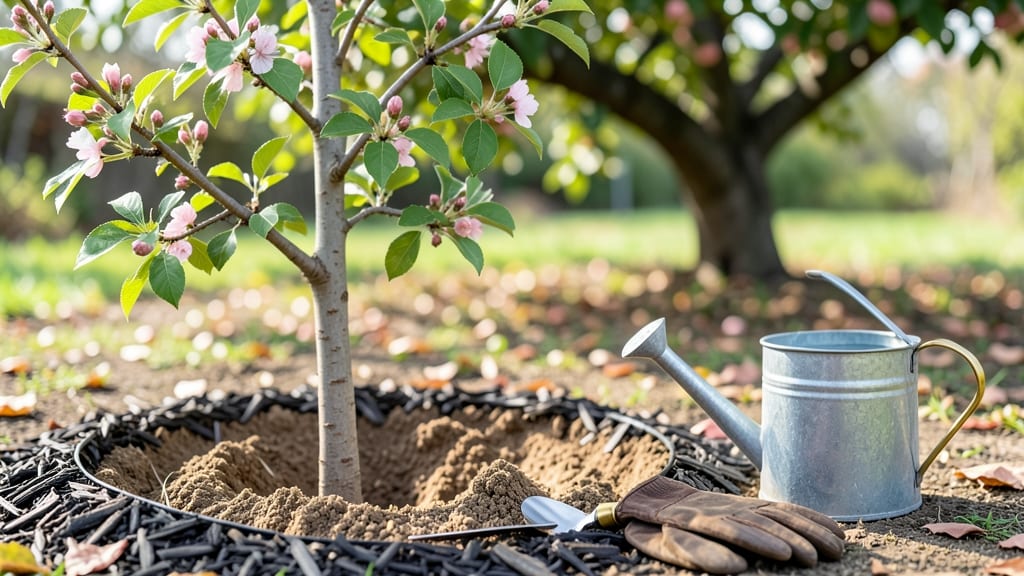
Timing matters more than you think when planting a 🍑 peach tree in Alabama—get it wrong, and you could lose your entire crop before it even ripens. The state’s unpredictable frost dates and chill-hour requirements mean your late winter to early spring window is tighter than you’d expect.
Most Alabama gardeners assume planting in February or March is safe, but without checking your local chill-hour zone (7a-8b), you might end up with a tree that blooms too early and gets fried by a late frost.
The key? Planting 4-6 weeks before your last frost date—typically by mid-March—gives roots time to establish before the heat of summer arrives.
If you’re working with container-grown trees from a nursery, you’ve got a little more flexibility—but even then, soil temperatures below 50°F can stunt growth.
I’ll walk you through the exact steps to time your planting for success, whether you’re in Birmingham or Mobile, so you can enjoy homegrown peaches by June or July.
Ready to avoid the most common mistakes? Let’s break down the best months, soil prep tips, and how to pick the right variety for your Alabama yard—so you’re not left with a sad, frost-burned sapling next spring.
Alabama’s chill-hour zones: how to match peach trees to your region
Alabama’s diverse climate creates a challenge for peach tree growers: chill-hour requirements vary dramatically across the state. Northern Alabama needs 800-1,000+ chill hours (below 45°F), while southern regions often get 400-600 chill hours.
Planting the wrong variety in your zone can mean no fruit production or poor yields—even if your tree survives.
Peach trees require cold dormancy periods to set fruit buds. Without enough chill hours, your tree might bloom but fail to produce fruit.
For example, Elberta (a classic variety) needs 900+ chill hours, making it ideal for USDA Zone 7a (north Alabama), but a poor choice for Zone 8b (south Alabama).
Here’s how to match your location to the right peach tree variety:
| Region | USDA Zone | Chill Hours | Recommended Varieties | Notes |
|---|---|---|---|---|
| North Alabama (Huntsville, Decatur) | 7a-7b | 800-1,000+ | Elberta, Redhaven, Loring | Cold-hardy; thrives in frost-prone areas |
| Central Alabama (Birmingham, Montgomery) | 7b-8a | 600-800 | Contender, Flordagrand, Springcrest | Moderate chill needs; good for transitional zones |
| South Alabama (Mobile, Dothan) | 8a-8b | 400-600 | Redtop, Flordaking, Contender | Low-chill varieties; avoid high-chill types |
| All Regions (Container Growing) | 7a-8b | Flexible | Bonanza, Springcrest (dwarf varieties) | Move containers to protect from frost |
If you’re unsure about your chill hours, check your local cooperative extension office—they often have historical climate data for your county. For example, Alabama A&M Extension provides free chill-hour maps tailored to Alabama’s microclimates.
Another tip: Look for “low-chill” peach varieties if you live in southern Alabama. These trees, like Flordaking, require fewer chill hours but still produce high-quality fruit. Just be prepared for slightly smaller harvests compared to high-chill varieties.
For container-growing peach trees, you can extend the planting window by moving pots to a sheltered location during late frosts. Dwarf varieties like Bonanza are perfect for containers and adapt well to urban gardens in Alabama’s cities.
Pro tip: Plant your peach tree in a south-facing location to maximize sunlight exposure. In Alabama’s climate, 6-8 hours of direct sun is non-negotiable for fruit production. Even a slight shade reduction can lead to poor fruit set or smaller peaches.
Finally, avoid planting peach trees in low-lying areas where cold air pools. These spots can experience unexpected late frosts, even after the official last frost date. A slight elevation change can mean the difference between a surviving tree and a frost-killed sapling.
Best planting timeline: when to avoid frost & heat stress in Alabama
Timing is everything when planting peach trees in Alabama. The ideal window is late winter to early spring, specifically February through March, to balance chill-hour requirements and frost risks.
Northern Alabama’s last frost date typically falls around March 15, while southern regions may see frost as late as March 31—so adjust accordingly.
For container-grown peach trees, you can extend your planting window slightly. These trees establish roots more quickly, allowing you to plant 1-2 weeks earlier than bare-root trees. However, avoid planting before mid-February in most of Alabama, as soil temperatures are often too cold for root development.
Here’s my month-by-month planting guide to help you navigate Alabama’s unpredictable climate:
- February (Northern AL): Plant bare-root trees in USDA Zone 7a once soil reaches 45°F. Southern regions can wait until late February.
- March (Statewide): Best window for most of Alabama. Soil should be 50°F+, and frost risk should drop below 20%.
- Early April (Southern AL): Safe to plant in Zone 8a/b after March 31 frost risk passes. Ideal for container-grown trees.
- Avoid May+: Late planting risks heat stress and poor root establishment before winter dormancy.
Pro tip: Use the Alabama Extension’s frost map to pinpoint your local frost dates. For example, Huntsville (Zone 7a) has a higher frost risk than Mobile (Zone 8b), so adjust your timeline accordingly. Always plant 4-6 weeks before your area’s last frost date to give roots time to establish.
If you’re planting dwarf or semi-dwarf varieties, prioritize well-draining soil and full-sun exposure to compensate for their slower growth. These trees need 6-8 hours of sunlight daily, so choose a south-facing location with minimal shade from nearby structures or larger trees.
Remember, peach trees need chill hours to produce fruit. Planting too late in spring may result in poor flowering or no harvest the following year. For low-chill varieties (300-400 hours), southern Alabama’s timeline is more flexible, but northern regions still benefit from early spring planting.