
How To
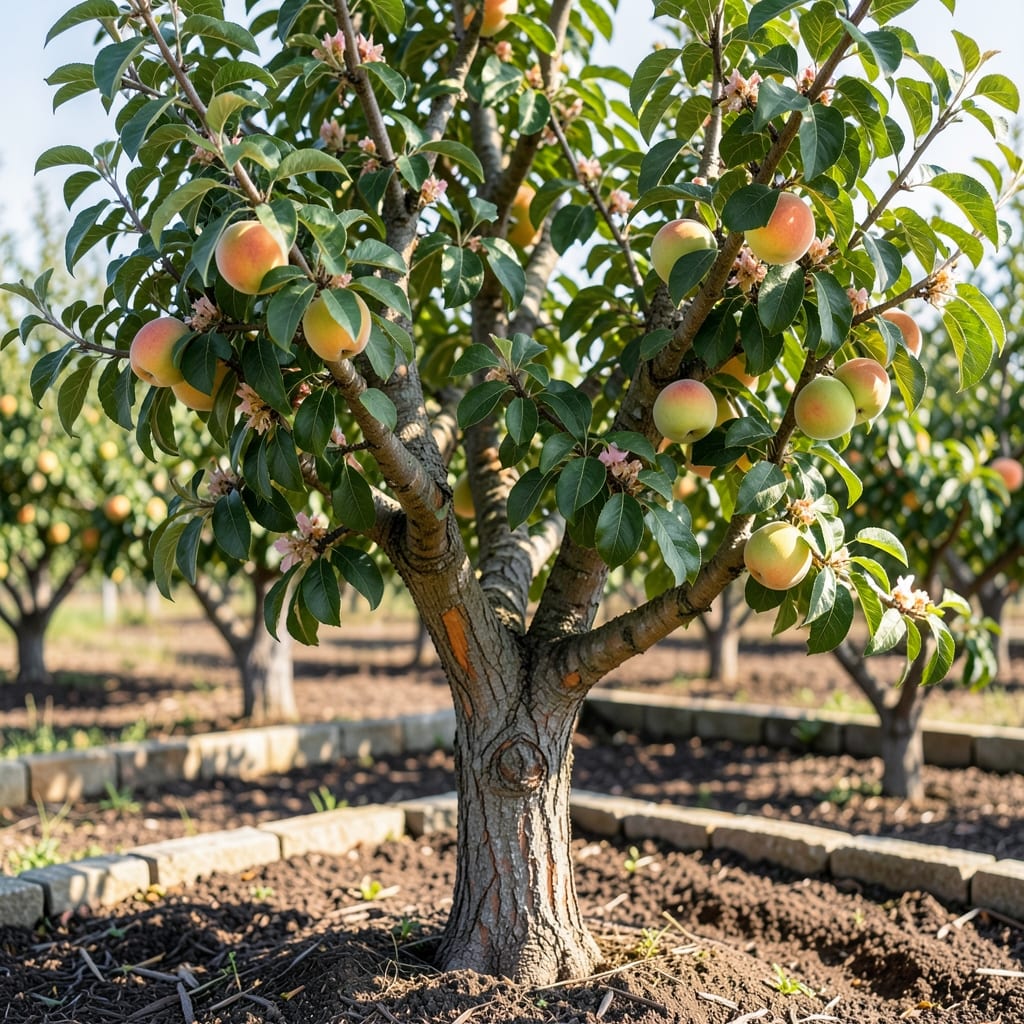
If you’ve ever wondered how tall can a peach tree grow, the answer might surprise you—these fruiting giants can stretch from waist-high dwarfs to towering 25-foot monsters, depending on the variety and care you provide. 🍑 Whether you’re dreaming of a backyard orchard or just a single tree for fresh peaches, understanding height differences is the first step to planning your garden.
Dwarf varieties stay compact at just 6-10 feet, perfect for small yards or containers, while standard trees reach 20-30 feet—taller than most homes. The right choice depends on your space, sunlight, and even your pruning habits. I’ll break down the options so you can pick the perfect fit for your outdoor space.
But here’s the kicker: even the smallest peach tree needs room to thrive. Without proper spacing or pruning, even dwarf varieties can outgrow their welcome. Let’s explore how to keep your tree healthy, productive, and—most importantly—within your garden’s boundaries.
Ready to turn your peach-growing dreams into reality? By the end of this guide, you’ll know exactly which size suits your space and how to manage it for years of juicy harvests. Let’s get started!


Peach tree height variations: dwarf to standard to giant varieties explained
Peach trees come in stunning diversity when it comes to height, offering options for every garden size. Understanding these variations helps you choose the perfect fit for your space. Dwarf varieties stay manageable at 6-10 feet, while standard trees can reach 20-30 feet—taller than most homes! The key difference lies in their rootstock and genetic makeup.
Most home gardeners focus on three main categories: dwarf, semi-dwarf, and standard varieties. Each grows at different rates and requires unique care approaches. For example, a dwarf peach tree might reach 8 feet in just 3-4 years, while a standard tree could take 10+ years to reach its full height. Let's explore these options in detail.
🌱 Visual Guide: Below is a quick comparison of peach tree heights by variety, including their mature sizes, growth rates, and ideal spacing needs.
| Variety Type | Mature Height | Growth Rate | Ideal Spacing | Best For |
|---|---|---|---|---|
| Dwarf | 6–10 ft | Fast (3–5 years to mature) | 8–12 ft apart | Containers, small yards, urban gardens |
| Semi-Dwarf | 12–16 ft | Moderate (5–7 years to mature) | 12–16 ft apart | Medium yards, backyard orchards |
| Standard | 20–30 ft | Slow (10+ years to mature) | 20–30 ft apart | Large properties, rural settings |
| Giant (Uncommon) | 35+ ft | Very slow (15+ years to mature) | 40+ ft apart | Commercial orchards, vast landscapes |
Dwarf varieties, like the Bonanza or Redhaven on dwarfing rootstock, are perfect for small spaces. They produce fruit 2-3 years after planting, making them ideal for impatient gardeners. Meanwhile, standard trees like Elberta or Relenta need ample room but reward you with larger fruit yields over decades.
One common misconception is that dwarf trees produce smaller peaches. In reality, their fruit size stays the same—it’s just the tree that’s compact! The trade-off? Dwarf trees often require more frequent pruning to maintain shape and productivity. Semi-dwarf trees strike a balance, offering manageable height with robust fruit production.
If you're considering a container-grown peach tree, dwarf varieties are your best bet. A 15-gallon pot can comfortably house a dwarf peach tree for several years, though you’ll need to repot every 2-3 years as the roots outgrow their space. Always choose a container with drainage holes to prevent root rot.
Climate also plays a role in height. Trees in warmer climates (USDA Zones 7-9) tend to grow faster and taller than those in cooler regions (Zones 5-6). For example, a dwarf peach tree in California might reach 10 feet in 4 years, while the same variety in Michigan could take 6 years to reach 8 feet. Always check your local frost dates when selecting a variety.
Another factor affecting height is pruning discipline. Even a standard peach tree can be kept at 12-15 feet with regular pruning, while a neglected dwarf tree might sprawl to 12 feet if left unchecked. I’ll cover pruning tips in detail later, but for now, remember: prune in late winter to shape your tree and encourage upward growth.
For those with limited space, consider espaliered peach trees. This training method flattens the tree against a fence or wall, keeping it under 6 feet tall while maximizing fruit production. It’s a fantastic solution for urban gardeners or small patios. Just ensure your tree gets full sun exposure—even espaliered varieties need 6-8 hours of sunlight daily.
No matter which size you choose, always plant your peach tree in well-draining soil with a slightly acidic pH (6.0-6.5). Amend heavy clay soil with compost or sand to improve drainage, as peach trees
How to choose the right peach tree size for your garden space
Selecting the perfect peach tree size starts with understanding your available space and garden layout. A dwarf variety thrives in a 5x5-foot patch or even a large container, while a standard tree needs a 20-foot radius to avoid overcrowding nearby plants. Measure your yard before shopping—this simple step prevents costly mistakes and ensures your tree has room to grow.
Urban gardeners often opt for dwarf or semi-dwarf varieties because they fit neatly into small backyards or patios. For example, the Bonanza peach tree stays under 8 feet tall and produces 200+ peaches per season when properly cared for. If you’re growing in containers, choose a variety grafted onto Lovell or Nemaguard rootstock, which naturally restricts height while boosting disease resistance.
🌱 Key Considerations: Here are the top factors to weigh when selecting your peach tree size, from space constraints to long-term maintenance.
- 📏 Yard Size: Dwarf (6–10 ft) for small patios, Semi-Dwarf (12–16 ft) for medium yards, Standard (20–30 ft) for large properties.
- 🌿 Sunlight Access: All varieties need 6–8 hours of sun. South-facing walls or fences maximize exposure for espaliered trees.
- 🌧️ Climate Zone: Warmer zones (7–9) support faster growth; cooler zones (5–6) may need cold-hardy varieties like Redhaven or Relenta.
- 🪴 Container Potential: Dwarf trees thrive in 15–25 gallon pots with drainage holes. Repot every 2–3 years to prevent root bound.
- ✂️ Pruning Commitment: Dwarf trees need annual pruning to maintain shape, while standard trees require less frequent but heavier pruning.
- 🍑 Fruit Yield Goals: Standard trees produce 50–100% more fruit than dwarfs, but take 10+ years to reach peak production.
If you’re torn between sizes, semi-dwarf varieties often strike the best balance. They grow to 12–16 feet but produce fruit 3–4 years after planting—faster than standard trees. Popular choices include Sanguinelle (with striking red bark) and Contender (known for disease resistance). For urban gardens, consider espaliered peach trees trained against a trellis or fence, keeping them under 6 feet while maximizing fruit production.
Another space-saving trick? Plant your peach tree near a support structure like a post or trellis to guide its growth. This works especially well for semi-dwarf varieties, which can be trained into a fan shape for easier harvesting. Just ensure the structure is sturdy enough to support the tree’s weight as it matures—peach branches can get heavy with fruit!
For those with limited sunlight, prioritize dwarf varieties planted in the sunniest spot available. Even 6 hours of sun can work for dwarfs, but 8+ hours yields the best fruit quality. If your yard is shady, consider container growing near a south-facing window or supplement with a grow light during winter.
Remember: soil quality impacts height too. Amend your planting area with compost or aged manure to improve drainage and nutrient availability. Peach trees hate waterlogged roots, so avoid planting in low-lying areas where water pools. If your soil is clay-heavy, mix in sand or perlite to create a looser, more breathable growing medium.
Finally, think about long-term maintenance. Standard trees require less frequent pruning but may need professional help to manage their height. Dwarf trees, while easier to prune, demand more attention to prevent overcrowding. Weigh these factors against your lifestyle—if you travel often, a low-maintenance semi-dwarf might be the perfect compromise.