
Trees
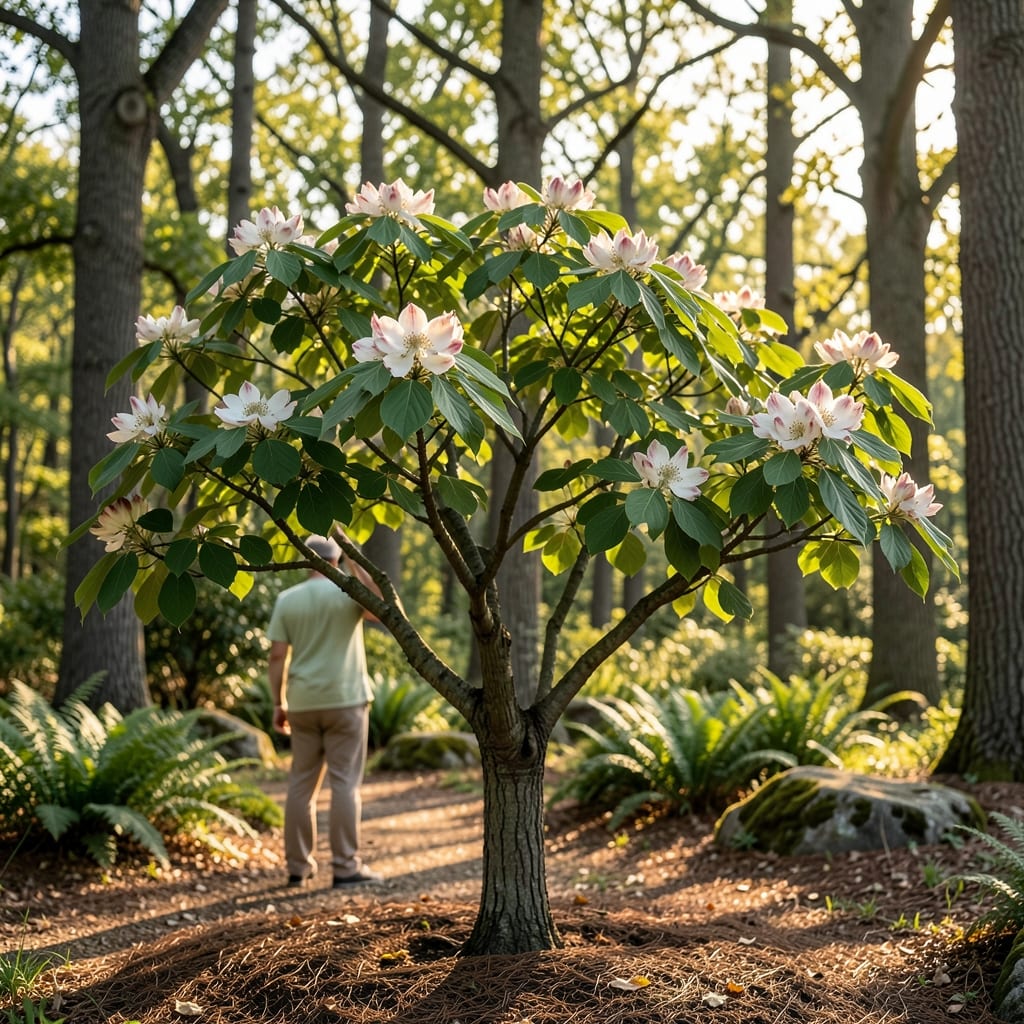
Dogwood tree height by variety: mature sizes compared
Dogwood trees are prized for their stunning spring blooms and vibrant fall foliage, but their mature height can vary dramatically depending on the variety. If you're planning your garden layout, knowing these differences is key to choosing the right tree for your space. Some dogwoods reach towering heights, while others stay compact—perfect for small yards or containers.
The most common dogwood, Cornus florida (Flowering Dogwood), typically grows between 15 to 30 feet tall at maturity, making it a classic shade tree. However, other species like the Pacific Dogwood can soar even higher, while dwarf varieties stay under 10 feet. Let’s break down the height ranges for popular dogwood varieties so you can pick the perfect fit for your garden.
| Variety | Mature Height | Spread | Best For |
|---|---|---|---|
| Cornus florida (Flowering Dogwood) | 15–30 ft | 15–25 ft | Shade trees, large gardens |
| Cornus kousa (Kousa Dogwood) | 15–25 ft | 15–20 ft | Urban landscapes, small to medium yards |
| Cornus nuttallii (Pacific Dogwood) | 40–60 ft | 25–40 ft | Large properties, woodland gardens |
| 'Taylor' Dogwood | 8–12 ft | 8–10 ft | Small yards, containers, patios |
| 'Golden Glow' Dogwood | 10–15 ft | 10–12 ft | Foundation plantings, urban gardens |
| 'Cherokee Brave' Dogwood | 12–15 ft | 12–14 ft | Small spaces, mixed borders |
The Pacific Dogwood is the tallest variety, often reaching 40 to 60 feet, making it ideal for large properties or woodland settings. In contrast, 'Taylor' Dogwood is a dwarf variety that tops out at just 8 to 12 feet, perfect for small yards or even large containers. If you're limited on space but still want the beauty of dogwood blooms, these compact varieties are game-changers.
Another factor influencing height is the climate. Dogwoods grown in cooler regions tend to mature slightly taller than those in warmer climates, where growth can be slower. For example, a Cornus florida in USDA Zone 5 might reach its full height faster than one in Zone 8. Soil quality and sunlight exposure also play roles—well-draining, slightly acidic soil with partial shade encourages healthier growth.
If you're unsure which variety to choose, consider your garden’s layout. A 20-foot dogwood works well as a focal point in a medium-sized yard, while a 10-foot variety can serve as a striking accent near patios or walkways. For urban gardens, 'Golden Glow' or 'Cherokee Brave' are excellent choices—they provide color without overwhelming the space.
One common misconception is that all dogwoods grow into large trees. In reality, many modern cultivars are bred specifically for smaller spaces. For instance, the 'Cherokee Chief' variety stays under 12 feet while still producing abundant blooms. This makes it a favorite for gardeners with limited room but a love for dogwoods.
When selecting a dogwood, also think about its spread. Some varieties, like the Pacific Dogwood, have wide canopies that can reach 40 feet, while others like 'Taylor' remain more compact. Always measure your space before planting to ensure the tree has room to grow without crowding other plants or structures.
Finally, if you're planting a dogwood in a container, opt for dwarf varieties like 'Taylor' or 'Golden Glow'. These can thrive in large pots for several years, though they’ll eventually need to be transplanted into the ground as they mature. Containers also allow you to move the tree to optimize sunlight exposure throughout the year.
Understanding these height differences will help you make an informed decision. Whether you're aiming for a towering shade tree or a compact patio centerpiece, there’s a dogwood variety that fits your vision—just match it to your space and care for it properly to enjoy its beauty for decades.
How to control dogwood tree height through pruning
Pruning is the most effective way to manage a dogwood tree’s height, whether you want to keep it compact or encourage upward growth. Since dogwoods respond well to pruning, you can shape them without causing stress—just follow the right techniques. The key is timing, as pruning at the wrong time can harm the tree or reduce flowering. For most dogwood varieties, the best time to prune is late winter or early spring, just before new growth begins.
Start by removing dead, diseased, or crossing branches first. These can weaken the tree and compete for nutrients. Use clean, sharp pruning shears or a pruning saw for thicker branches. Always make cuts at a 45-degree angle just above a bud or branch collar to promote healing. Avoid cutting into the branch collar, as this can damage the tree’s vascular system and invite pests.
-
Step 1: Remove Dead or Damaged Branches
Start with any branches that are dead, broken, or diseased. This improves air circulation and tree health. -
Step 2: Thin the Canopy
Selectively remove branches from the inside of the canopy to allow sunlight to reach the center. Aim for an open, airy structure. -
Step 3: Prune for Height Control
To reduce height, cut back the tallest branches by up to one-third of their length. Make cuts just above an outward-facing bud. -
Step 4: Shape the Tree
Use hand pruners to trim smaller branches for a more refined shape. Avoid over-pruning, as this can stress the tree. -
Step 5: Clean Up
Remove all pruned branches and sterilize your tools with rubbing alcohol to prevent the spread of disease.
If you’re growing a dwarf dogwood variety like 'Taylor' or 'Golden Glow,' pruning is less critical but still beneficial for shaping. However, avoid heavy pruning, as these varieties are bred to stay small. For standard-sized dogwoods, like Cornus florida, you can prune more aggressively to maintain a desired height. Just remember: never remove more than one-third of the canopy in a single pruning session, or you risk weakening the tree.
Another common mistake is pruning too late in the season. Pruning in late summer or fall can stimulate new growth that won’t harden off before winter, making the tree more susceptible to frost damage. If you must prune outside of the ideal window, do so in early summer—but limit yourself to light shaping rather than major height reduction.
For young dogwood trees, focus on establishing a strong structure early. Remove any suckers or water sprouts that grow from the base or along the trunk. These compete with the main branches for nutrients and can make the tree look messy. If you’re growing a dogwood in a container, pruning is even more important to control its size and encourage bushier growth. Just be sure to repot every few years as the tree matures.
Finally, always sanitize your pruning tools before and after use. Dogwood trees are susceptible to bacterial and fungal diseases, such as anthracnose, which can spread through open wounds. Wiping your tools with a 10% bleach solution or rubbing alcohol helps prevent contamination. With proper pruning, your dogwood will stay healthy, well-shaped, and at the perfect height for your garden.