
Trees
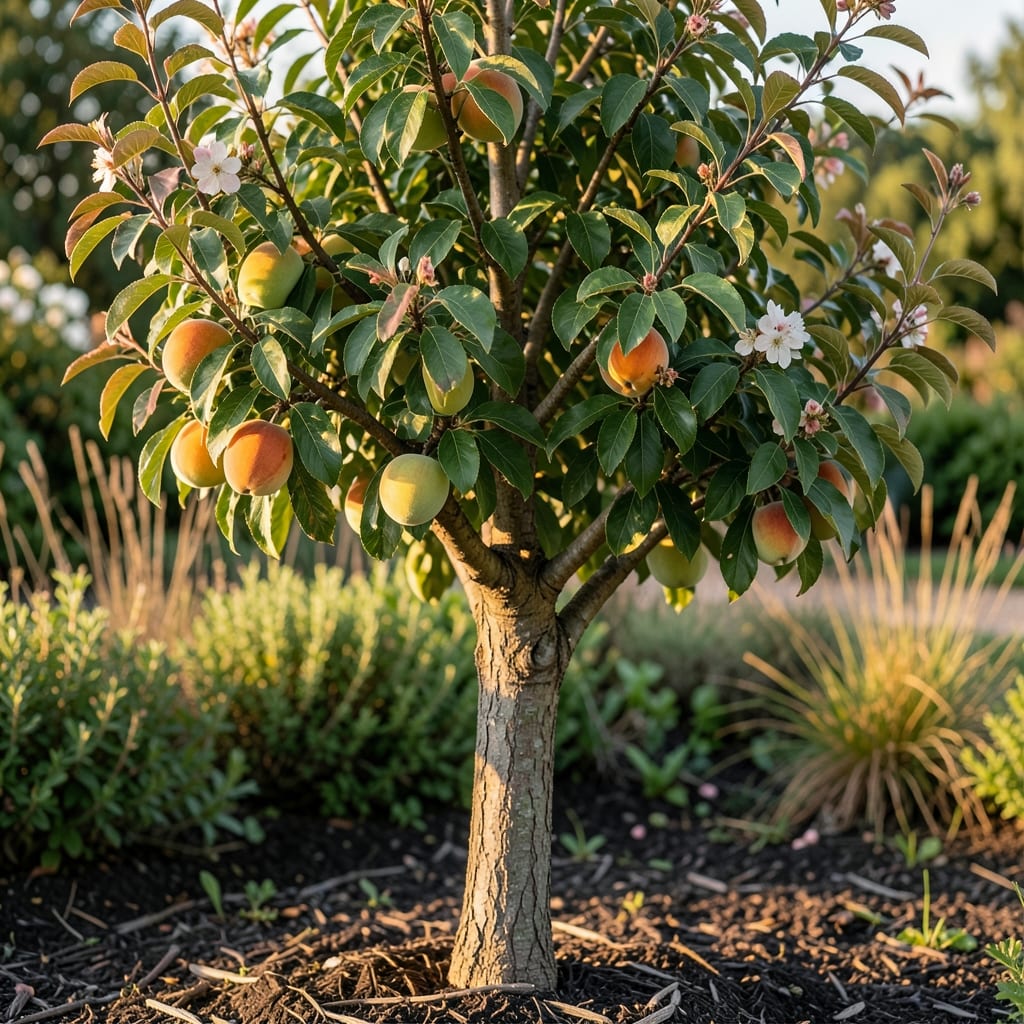
If you're wondering "how tall can peach trees grow", the answer might surprise you—some varieties stretch toward the sky like a backyard skyscraper, while others stay perfectly manageable for small spaces. A standard peach tree 🍑 can reach 15 to 25 feet at maturity, but dwarf varieties stay between 8 and 12 feet, making them ideal for urban gardens or containers.
Choosing the right size depends on your goals: Do you want a showstopping centerpiece or a practical fruit producer that fits your layout? The key lies in understanding rootstock, pruning techniques, and even your local climate—all of which can influence how tall your tree becomes over time.
Whether you're planning a full orchard or just adding one tree to your yard, knowing these height ranges helps you select the perfect cultivar. I'll break down the differences between dwarf, semi-dwarf, and standard varieties, plus share practical tips to control growth and maximize fruit production—no matter how much space you have.
Ready to pick the perfect peach tree for your garden? Let's dive into the details so you can enjoy sweet, homegrown fruit without the headache of overgrowth.


Peach tree mature height ranges by cultivar type: dwarf to standard sizes
Peach trees are stunning additions to any garden, but their mature height varies dramatically depending on the cultivar and rootstock used. Standard varieties can tower over 20 feet, while dwarf varieties stay under 10 feet, making them perfect for small spaces. Understanding these differences helps you choose the right tree for your yard, patio, or orchard.
Most peach trees fall into three height categories: dwarf, semi-dwarf, and standard. The rootstock—where the scion (fruit-bearing part) is grafted—plays a huge role in determining final height. For example, trees grafted onto Lovell rootstock stay compact, while those on Halford rootstock grow much taller. Let’s break down what to expect from each type.
🌱 Peach Tree Height Guide by Cultivar Type
| Type | Mature Height | Popular Varieties | Ideal For |
|---|---|---|---|
| Dwarf | 8–12 ft | Bonanza, Redhaven, Springcrest | Containers, small yards, urban gardens |
| Semi-Dwarf | 12–18 ft | Elberta, Reliance, Fantasia | Suburban yards, backyard orchards |
| Standard | 20–30 ft | Redhaven, Halehaven, Contender | Rural orchards, large properties |
*Height ranges assume proper pruning and care. Trees can exceed these heights without maintenance.
Dwarf peach trees are my top recommendation for gardeners with limited space. Varieties like Bonanza and Springcrest thrive in containers or small backyards, producing abundant fruit without taking over your landscape. These trees typically reach 8–12 feet at maturity, making them ideal for patios or even large pots with proper drainage.
If you have a bit more room, semi-dwarf varieties like Elberta or Reliance strike a balance. They grow 12–18 feet tall, offering a manageable height while still yielding generous harvests. These are perfect for suburban yards where you want a tree that’s substantial but not overwhelming.
For those with ample space, standard peach trees like Redhaven or Halehaven can reach 20–30 feet, creating a stunning focal point in a rural setting or large orchard. However, their size means they require more pruning and maintenance to keep them healthy and manageable. If you’re planting one of these, consider its long-term impact on your property.
One critical factor influencing height is the rootstock. Dwarfing rootstocks like Lovell or Halford restrict growth, while standard rootstocks like Nemaguard allow trees to reach their full potential. When shopping for peach trees, always check the rootstock type—it’s the secret to controlling height from the start.
Another key consideration is your climate zone. Peach trees thrive in USDA Zones 5–9, but their growth rate can vary. In warmer climates, trees may grow faster and reach maturity sooner, while cooler zones might see slower growth. Always choose a cultivar suited to your specific zone for the best results.
If you’re unsure which size to choose, start with a dwarf or semi-dwarf variety. They’re easier to manage, produce fruit earlier, and are more forgiving if you’re new to tree care. Plus, their compact size makes them perfect for urban gardens or small homesteads where space is at a premium.
Remember, even dwarf trees can grow taller if not pruned regularly. I’ll cover pruning techniques in the next section to help you keep your peach tree at your desired height—whether that’s a 6-foot patio tree or a 20-foot backyard giant.
🌳
How to control peach tree height: pruning tips for compact growth
Pruning is the secret weapon for keeping your peach tree at your desired height—whether you want a 6-foot patio tree or a managed 20-foot giant. Without regular pruning, even dwarf varieties can grow taller than expected, while standard trees may become unruly. The key is timing, technique, and consistency. I’ve pruned peach trees for years, and I’ve learned that seasonal pruning makes all the difference in controlling growth and encouraging fruit production.
Start with winter pruning (late winter to early spring, before buds swell). This is when you remove dead, diseased, or crossing branches to improve air circulation and shape the tree. Aim to open the canopy to sunlight and airflow, which reduces disease risk and helps fruit ripen evenly. Use sharp, clean pruners to make cuts just above a bud or branch collar—never leave stubs, as they can invite pests.
🌱 Step-by-Step Pruning Guide
- Step 1: Remove dead/diseased branches first—cut at the branch collar.
- Step 2: Thin out crossing or rubbing branches to prevent wounds.
- Step 3: Prune to open the canopy—aim for sunlight penetration.
- Step 4: Shorten water sprouts (vertical shoots) by ⅓ to encourage bushiness.
- Step 5: Remove suckers from the base to redirect energy to fruit production.
*Use sterilized tools and prune on dry days to minimize disease spread.
For dwarf varieties, focus on light pruning to maintain their compact shape. These trees produce fruit on both old and new wood, so avoid heavy cuts that remove too many fruiting spurs. Instead, prune to encourage outward growth—this creates a bushier tree with more fruit-bearing branches. If your dwarf tree starts stretching upward, it’s a sign it needs more sunlight or pruning to promote lateral branches.
Standard peach trees require more aggressive pruning to control their height. After they reach your desired height (e.g., 15–18 feet), focus on heading back the central leader and thinning branches to maintain an open structure. Never prune more than 25% of the canopy in one season, as this can stress the tree. Instead, spread pruning over 2–3 years to gradually shape the tree without shocking it.
Summer pruning is another tool in your toolkit, especially for controlling water sprouts (fast-growing vertical shoots). These sprouts steal energy from fruit production, so pinch them off when they’re 6–12 inches tall. You can also do light summer thinning to improve airflow, but avoid heavy pruning during the growing season, as it can stimulate unwanted growth.
One common mistake I see is over-pruning young trees. While it’s tempting to shape them early, excessive pruning can delay fruiting. Instead, focus on structural development—removing only competing branches and suckers while allowing the tree to establish its framework. For the first 2–3 years, limit pruning to 10–15% of the canopy to avoid stunting growth.
Finally, tool maintenance is non-negotiable. Always sterilize your pruners with rubbing alcohol between cuts to prevent spreading bacterial canker or silver leaf disease, two common peach tree ailments. Sharp tools make cleaner cuts, which heal faster and reduce the risk of infection. If you’re pruning a large tree, consider using long-handled loppers or a pole saw for safety and precision.
With the right pruning strategy, you can keep your peach tree at any height you desire—whether that’s a container-friendly 8-footer or a well-managed 20-footer. Start small, be consistent, and your tree will reward you with abundant fruit and a perfect fit for your space.
✂️