
Plants
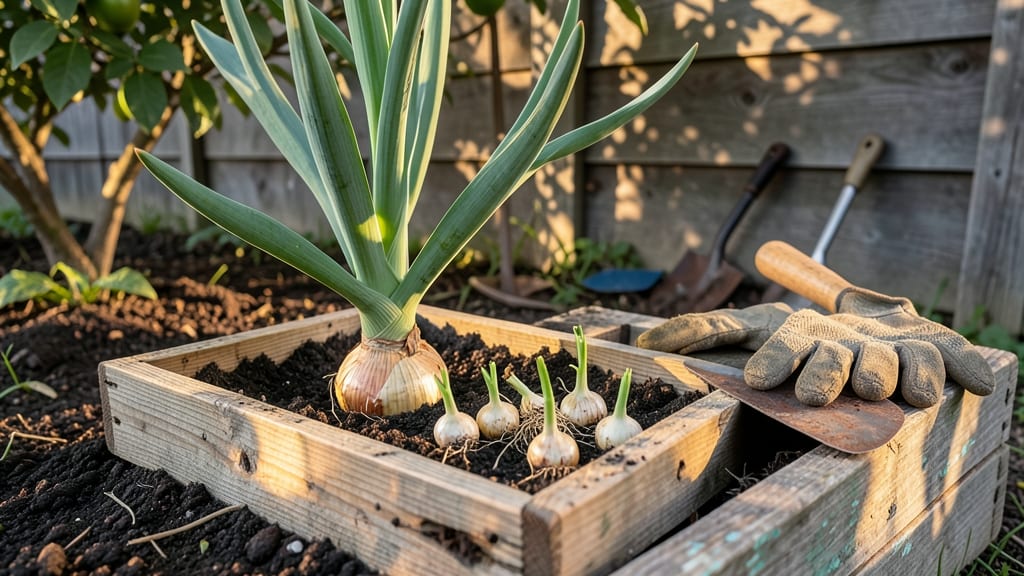
Planting onions in San Diego at the wrong time could mean tiny bulbs—or worse, bolting before you even taste your harvest. The key to growing sweet, large onions here lies in understanding the microclimates that make coastal areas like La Jolla and inland spots like Temecula behave so differently.
Unlike colder regions, San Diego’s frost-free winters mean you can plant onions year-round—but timing still matters. The ideal window for zero-bolt success is between October and March, when cooler temps slow down premature flowering. Miss this, and you’ll end up with bitter, stringy onions or no harvest at all.
I’ve grown onions in San Diego for years, and I’ll show you exactly how to pick the right varieties, prep your soil, and avoid common mistakes like overwatering or planting too late.
Whether you’re a beginner or a seasoned gardener, these steps will help you grow onions that rival the ones at your favorite farmers’ market.
Ready to dig in? Let’s break down the perfect planting schedule for your specific microclimate—so you can enjoy homegrown onions from April through June without the stress.
San Diego’s onion planting calendar: coastal vs inland microclimates
San Diego’s microclimates create a gardening puzzle—what works in coastal La Jolla may fail in inland Temecula. Onions thrive in cool winter months but bolt quickly when temperatures rise above 75°F. Your planting window depends on whether you're near the ocean or inland, where heat arrives earlier.
Coastal areas like Pacific Beach and Mission Beach enjoy milder winters, allowing onion planting from late September through mid-March. Inland zones like Escondido and Ramona should start by mid-October to avoid spring heat waves that trigger bolting.
Here’s how to match your location to the perfect planting window:
| Microclimate | Ideal Planting Window | Soil Temp | Variety Recommendation |
|---|---|---|---|
| Coastal (Zone 10a) | Late September–Mid-March | 55–65°F | Short-day: 'Texas Early White', 'Sweet Sandwich' |
| Inland (Zone 10b) | Mid-October–Early February | 50–60°F | Day-neutral: 'Yellow Granex', 'Red Baron' |
| Valleys (Zone 11) | September–January | 45–55°F | Long-day: 'Candy', 'Sweet Spanish' |
For coastal gardeners, aim for October–November planting to harvest by late May before summer heat arrives. Inland areas should plant by early December to avoid bolting, with harvests ready by April.
Always check your last frost date—though San Diego rarely sees frost, sudden cool snaps can delay growth.
Use seed sets (small bulbs) instead of seeds for faster results. Sets planted in October will mature by March–April, while seeds take 120+ days to bulb. For green onions, you can plant anytime, but bulbing onions need precise timing.
Soil temperature is critical—onions won’t sprout below 40°F. Use a soil thermometer to confirm 55–65°F before planting. Coastal soils stay cooler longer, while inland soils warm faster. Amend clay-heavy soils with compost to improve drainage and prevent rot.
Pro tip: Mulch heavily with straw or leaves to maintain even soil temps. This is especially important in inland areas, where daytime heat can spike suddenly. Mulch also suppresses weeds, reducing competition for nutrients.
If you’re in San Diego County’s backcountry (e.g., Julian or Pine Valley), plant 2–4 weeks earlier than coastal zones. These high-desert microclimates cool faster at night, creating a shorter growing season. Adjust your schedule accordingly.
Finally, shade cloth can buy you extra weeks in spring. If temperatures rise above 70°F before harvest, drape 30% shade cloth over your onion patch to slow bolting. This works wonders in April–May when coastal breezes fail to cool the air.
How to avoid onion bolting in San Diego’s unpredictable spring
San Diego’s spring heat spikes can trigger onions to bolt—sending up flower stalks instead of forming bulbs. This happens when days get too long or warm too quickly, especially in coastal areas like La Jolla where temperatures fluctuate wildly.
The key to preventing bolting is timing, variety selection, and microclimate awareness.
For coastal San Diego, focus on short-day onion varieties like 'Texas Early White' or 'Sweet Sandwich'. These types mature before spring’s heat triggers bolting. In inland areas like Escondido, where heat arrives earlier, opt for day-neutral varieties such as 'Yellow Granex' or 'Red Baron'.
🚨 CRITICAL TIP: Plant your onions by mid-February at the latest—any later and you risk bolting from increasing daylight hours (San Diego’s spring days stretch from 11 to 14 hours of light). Use mulch (straw or compost) to keep soil temps stable and reduce stress on plants.
⚠️ Bolting Warning Signs
- 🌱 Tops elongate rapidly (3+ inches/day)
- 🌡️ Leaves yellow and wilt despite watering
- 🌿 Flower stalk emerges (bolting confirmed)
If you spot these, harvest immediately—even small bulbs are edible!
Spacing plays a huge role in preventing bolting. Crowded onions compete for nutrients and overheat in San Diego’s spring sun. Plant 1-2 inches apart in rows spaced 12-18 inches apart. Thin seedlings to this spacing when they’re 4 inches tall—this reduces competition and improves airflow.
Watering strategy is another bolt-prevention tool. Onions need consistent moisture but hate soggy soil. Water deeply once weekly (early morning) and mulch heavily (3-4 inches of straw) to lock in moisture. Avoid overhead watering—wet foliage + sun = fungal risks that stress plants.
For late-season plantings (March-April), consider shade cloth (30-50%) to block extra heat. Even a simple row cover can buy you 2-3 extra weeks of bulb development before bolting kicks in.
Test your soil’s nitrogen levels—too much causes soft necks and bolting. Aim for low to moderate nitrogen (use a 5-10-10 fertilizer sparingly).
Remember: San Diego’s microclimates mean what works in Pacific Beach may fail in Chula Vista. Monitor your garden’s specific conditions and adjust timing accordingly. With these strategies, you’ll minimize bolting and enjoy sweet, full-sized onions all spring long. 🧅