
Plants
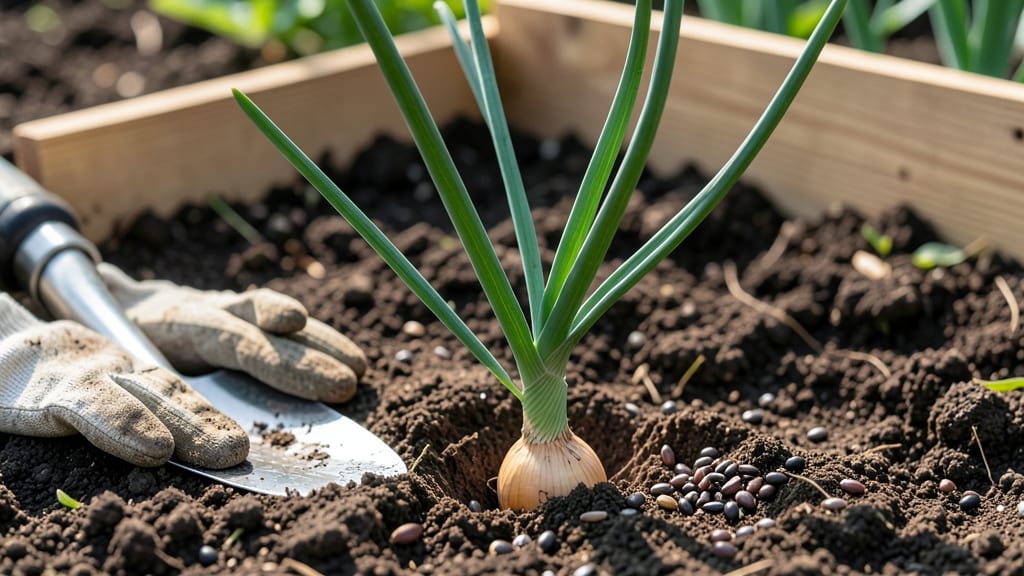
Timing your 🧅 onion seed planting in Zone 8 could mean the difference between sweet, plump harvests and bitter, bolting failures. The key isn't just about throwing seeds in the ground—it's about understanding your local frost dates and soil temperatures to create perfect growing conditions.
Zone 8 gardeners have two prime opportunities: late summer to early fall or late winter. But getting it wrong can trigger bolting—the plant's way of saying, "Too hot, too fast!"—leaving you with seed stalks instead of storage-worthy bulbs.
Let me show you exactly when to plant for that perfect harvest window.
We'll break down the science behind your region's microclimates and how to calculate your specific frost dates. Whether you're direct sowing or using transplants, these insights will help you avoid common mistakes that waste time and effort.
Ready to grow onions that store beautifully all winter? Let's dive into the game-changer timing strategies that will transform your garden's onion game from frustrating to foolproof.
Zone 8 onion seed planting calendar: exact months to avoid bolting
Timing is everything when growing onions in Zone 8. Plant too early, and your crop may bolt from heat stress. Too late, and bulbs won't mature before summer's intensity. The key is planting when soil temperatures hover between 45°F and 65°F—ideal for germination without triggering bolting.
Most Zone 8 gardeners succeed with two planting windows: late summer/early fall (August–October) for overwintering onions, and late winter (February–March) for spring harvests. Let's break down the exact timing and why it matters for your location.
Here's how to calculate your specific frost dates, since Zone 8's last frost typically falls around January 15 and first frost arrives near December 15. Your microclimate may shift these dates by 2–4 weeks, so check local weather records.
For fall planting, aim for 8–10 weeks before your first frost. This gives seedlings time to establish roots before winter dormancy. In most of Zone 8, that means mid-August to early September for direct sowing.
Spring planting should occur 6–8 weeks before your last frost. In Zone 8, that translates to late February through March. Starting seeds indoors in January gives you a head start for transplanting after frost danger passes.
| Planting Window | Soil Temp | Zone 8 Months | Key Notes |
|---|---|---|---|
| Fall Planting | 45°F–65°F | August–October | Overwintering; harvest next spring |
| Spring Planting | 50°F–65°F | February–March | Direct sow or transplant |
| Late Summer Backup | 60°F–70°F | July (for quick harvest) | Use bolt-resistant varieties |
Pro tip: Use a soil thermometer to verify temperatures before planting. Onion seeds need consistent moisture and cool roots to germinate properly. If your soil runs hotter than 70°F, consider using shade cloth or mulching to lower temperatures.
For green onions (scallions), you can plant every 2–3 weeks from February through October. These don't need as precise timing since you harvest the greens before bulbs form. Just keep them consistently moist for quick regrowth.
Remember that short-day onion varieties (like Texas Early White) bolt more easily in Zone 8's long summer days. Long-day varieties (such as Yellow Granex) perform better for storage onions. Choose your variety based on your intended use—fresh eating or long-term storage.
After planting, maintain consistent moisture but avoid waterlogging. Onions need about 1 inch of water per week, delivered at soil level to prevent fungal diseases. Mulch with straw to keep roots cool and retain moisture during Zone 8's dry spells.
With perfect timing, you'll harvest sweet, plump onions from both fall and spring plantings—enough to enjoy fresh all year and store through winter. The secret? Planting when the calendar, soil, and weather align for success.
Zone 8 onion seed planting calendar: exact months to avoid bolting
Zone 8 gardeners have two prime windows to plant onion seeds: late summer/fall and late winter/early spring. Each offers unique advantages—fall plantings develop roots before winter dormancy, while spring plantings avoid summer heat stress.
But timing is critical: plant too early, and onions bolt (flower prematurely); too late, and they won’t mature before summer’s heat.
Your last frost date (typically January 15) and first frost date (December 15) are your anchors. Onions need 120–150 days to mature, so calculate backward from your average last frost to avoid summer bolting.
For example, a March 1 planting in Zone 8 should yield harvest-ready bulbs by June 30, just before summer’s peak heat.
| Planting Window | Ideal Months | Soil Temp | Key Notes |
|---|---|---|---|
| Fall Planting | August–October | 50–60°F | Plant 8–10 weeks before first frost; roots establish before winter. |
| Spring Planting | February–March | 45–55°F | Avoid planting after April; summer heat triggers bolting. |
| Transplants | September–March | 40–50°F | Use for faster growth; harden off seedlings before transplanting. |
For fall plantings, aim for August 1–September 15 in most of Zone 8. This gives onions time to establish roots before winter, then resume growth in spring. In cooler microclimates (e.g., higher elevations or coastal areas), extend planting to October 1.
Use a soil thermometer to confirm temperatures stay above 50°F—onions won’t germinate in cold soil.
Spring plantings should start by February 15 in Zone 8’s southern edge (e.g., San Diego) and by March 1 in northern areas (e.g., Dallas). After April 15, the risk of bolting skyrockets due to rising temperatures.
For a second harvest, try a late summer planting (July 15–August 1) of short-day varieties like ‘Texas Early White,’ which tolerate heat better.
Pro tip: Use shade cloth (30–50%) if planting in May–June to reduce heat stress. Mulch with straw to keep soil cool and moist, which delays bolting. Monitor your onions weekly—if scapes (flower stalks) appear, harvest them immediately to redirect energy to bulb development.
Finally, adjust for your local microclimate. Urban areas with heat islands may need earlier plantings, while rural zones can extend windows. Check your Almanac’s frost dates or use a garden planner app to tailor timing to your specific location.
With precision timing, you’ll enjoy sweet, storage-worthy onions all winter long. 🧅