
Plants
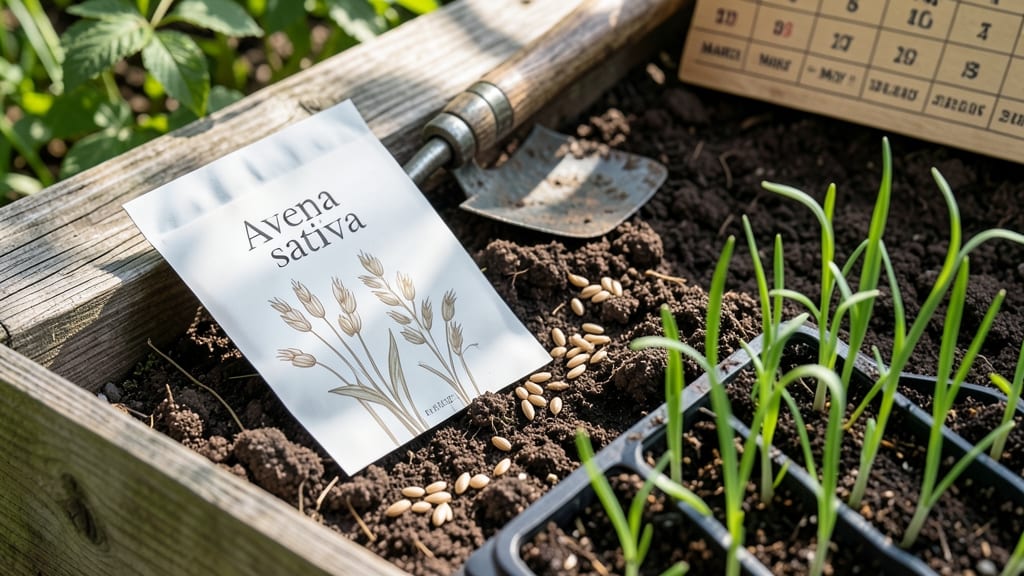
Timing your oats planting in spring could mean the difference between a lush, golden harvest and wasted seeds. Whether you're growing 🌾 for livestock feed or homegrown oatmeal, getting the timing right is everything—especially in USDA Zone 6a, where late frosts still lurk in April.
Most gardeners assume "as soon as the soil warms" is the golden rule, but oats are surprisingly resilient. They can handle cooler temperatures better than many spring crops, which means you might plant earlier than you think—4-6 weeks before your last frost date is ideal.
That puts us looking at early March for Zone 6a, but there's more to it than just the calendar.
What you'll discover is that soil temperature, not just air temperature, determines success. Oats sprout best when soil reaches 40-50°F, and that's often weeks before your average last frost. Plus, we'll cover how to adjust if Mother Nature throws you a curveball with unexpected cold snaps.
Let's break down the exact steps to plant your oats at the perfect moment—so you can enjoy that first harvest of plump, nutritious grains by late spring. No guesswork, just results.
Optimal planting dates for oats by USDA hardiness Zone
Timing your oat planting is critical—too early and frost will kill seedlings, too late and you risk poor yields. The ideal window depends on your USDA hardiness zone, soil temperature, and last frost date.
Most gardeners aim to plant 4-6 weeks before the last frost, but exact dates shift dramatically from Zone 2 to Zone 10.
Oats thrive in cool soil (40-50°F), which is why early spring is perfect. In northern zones (2-5), you can start sowing as early as late February to early March, while southern zones (7-10) may wait until mid-March to April to avoid heat stress.
Always check your local frost forecast—even a few degrees of warmth can make the difference between success and failure.
Here’s a breakdown of optimal planting windows by zone, including soil temperature thresholds and key milestones to watch:
| USDA Zone | Optimal Planting Window | Soil Temp Threshold | Last Frost Date | Key Tip |
|---|---|---|---|---|
| Zones 2-4 | Late February – Early March | 40-45°F | Mid-April | Use cold frames for earlier starts. |
| Zones 5-6 | Mid-March – Early April | 45-50°F | Late April | Plant after soil warms above 45°F. |
| Zones 7-8 | Early April – Mid-April | 50-55°F | Early May | Avoid planting after mid-April. |
| Zones 9-10 | Mid-March – Early April | 50-55°F | Late March | Plant in cooler microclimates. |
For Zone 6a (like my garden), I plant oats in early April to ensure soil is at least 45°F and the last frost has passed. If you’re in a transition zone (e.g., 6b-7a), err on the earlier side—oats can handle light frosts but not prolonged cold snaps.
Always monitor your local weather patterns; some years, a late frost can push planting back by weeks.
Regional adjustments matter too. In Pacific Northwest zones, cooler springs mean planting as early as February, while Southern California gardeners may wait until late March to avoid heat stress. Elevation plays a role too—mountain gardens often need 2-4 weeks earlier than valley floors due to cooler microclimates.
Pro tip: Use a soil thermometer to confirm temperatures. Oats won’t germinate well below 40°F, and waiting for 50°F+ ensures faster sprouting. If your soil is still cold, consider staggered planting—sow half your seeds now and half 2 weeks later to extend your harvest window.
One common mistake? Planting too close to the last frost date. Oats take 60-90 days to mature, so late plantings may not reach full yield before summer heat sets in. Aim for a mid-spring harvest by adjusting your timing now.
Finally, if you’re growing oats for grain vs. forage, timing shifts slightly. Grain oats need cooler temps for quality, while forage oats can handle slightly warmer soil. Always check your seed packet for variety-specific recommendations.
With the right timing, your oats will stand tall and productive—ready for harvest just as summer begins. 🌾
Optimal planting dates for oats by USDA hardiness Zone
Oats thrive when planted in cool soil but before late spring frosts threaten tender seedlings. The ideal window is 4-6 weeks before your last frost date, but this shifts dramatically across USDA hardiness zones.
In Zone 2-4, you can start as early as late February to early March, while Zones 7-10 wait until March to early April to avoid heat stress.
Soil temperature is your best guide—oats germinate best between 40-50°F. Use a soil thermometer to confirm readiness. Northern gardeners should prioritize early planting to maximize the growing season, while southerners may need to stagger plantings if spring drags on.
Always check your local frost prediction tools (like the National Weather Service) for precise dates.
| Zone | Ideal Planting Window | Soil Temp Threshold | Key Consideration |
|---|---|---|---|
| 2-4 | Late Feb–Early Mar | 40-45°F | Early frost risk; use cold-hardy varieties |
| 5-6 | Mid-Mar–Early Apr | 45-50°F | Balanced frost window; standard varieties work |
| 7-8 | Early–Mid Apr | 50-55°F | Late frosts possible; plant after last frost |
| 9-10 | Late Mar–Early Apr | 55-60°F | Heat stress risk; opt for early-maturing varieties |
For northern climates (Zones 2-4), prioritize early planting to avoid short growing seasons. In Zones 5-6, aim for mid-March to early April when soil warms to 45°F.
Southern gardeners in Zones 7-10 should wait until late March to early April to dodge heat stress, which can stunt germination. Always adjust for microclimates—low-lying areas or windy spots may need 1-2 weeks earlier planting.
Pro tip: If your spring is unpredictable, conduct a soil temperature test for 3 consecutive days. Oats will germinate reliably once temps stay above 40°F for 24 hours.
Use black plastic mulch in cooler zones to warm soil faster. For organic gardeners, cover seeds with straw mulch to insulate them from temperature swings.
Remember, oats are cold-tolerant but not frost-tolerant. Seedlings can handle light frosts (28°F) but may bolt if exposed to sub-freezing temps after sprouting. In Zones 3-5, consider row covers if late frosts linger.
Always plant 1-2 weeks earlier than your zone’s average last frost date to account for variability.
Timing isn’t just about dates—it’s about soil readiness. Test your soil’s moisture and temperature weekly in spring. Oats need consistent moisture but won’t germinate in soggy soil. Aim for damp, crumbly soil at planting depth (1-2 inches deep).
If your soil is too dry, water deeply 24 hours before sowing to create the perfect environment for germination.