
Plants
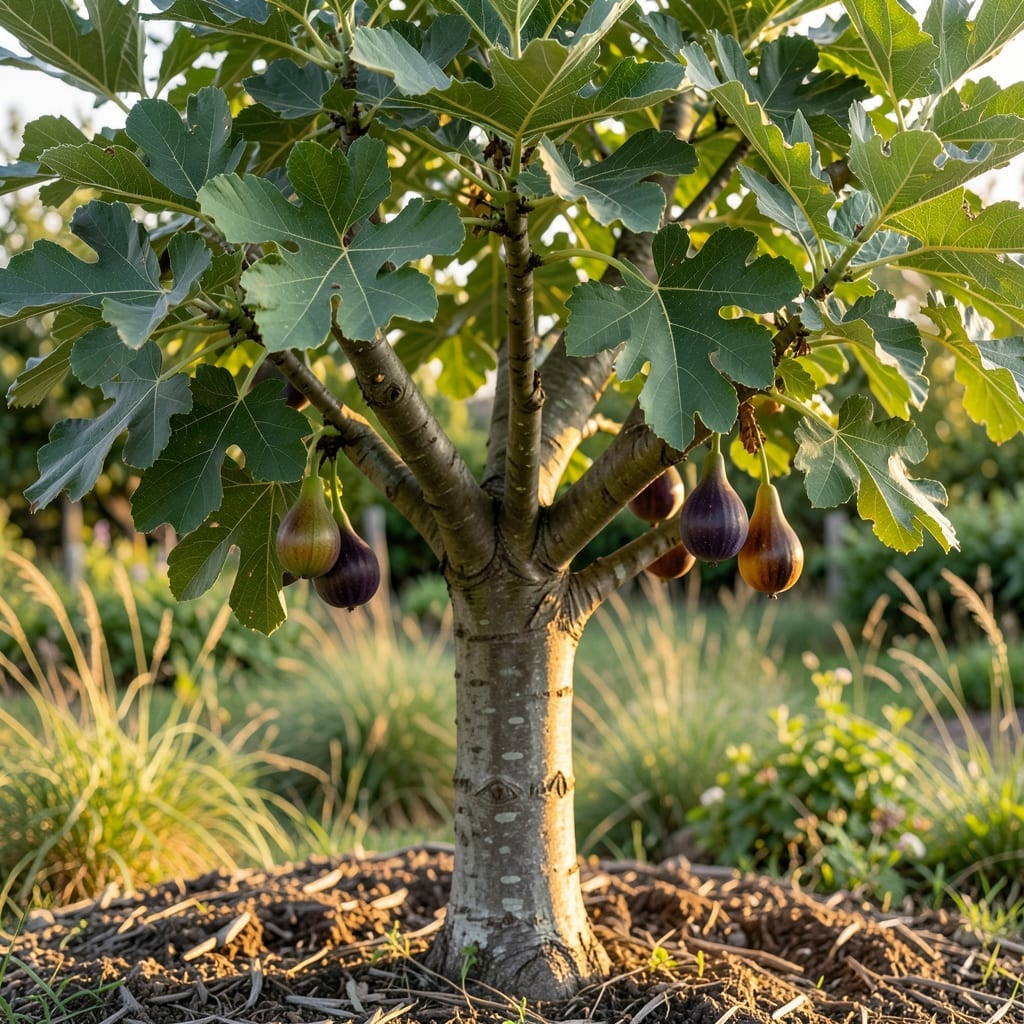
If you’re wondering how much light does a fig plant need to thrive, the answer might be simpler than you think—it’s all about sunlight. Fig plants crave sunlight, but getting the balance right can feel like walking a tightrope between scorching leaves and weak growth. Whether you're growing one in your backyard or on a sunny windowsill, knowing exactly how much light your fig needs is the key to lush foliage and sweet fruit.
Most fig varieties do best with 6-8 hours of direct sunlight daily, but not all figs are created equal. Some hardy types can handle a little more shade, while others will bolt in the heat if left unprotected. The challenge? Seasonal shifts, indoor lighting limitations, and even your local climate can throw off what feels like the perfect spot. I’ll break down exactly what your fig needs—from full sun lovers to those happy with partial shade—and how to spot when it’s getting too much (or too little) of the good stuff.
You might be surprised by how quickly figs react to light changes—think yellowing leaves, slow growth, or even fruit that never ripens. The good news? Adjusting their environment is easier than you’d expect, whether it’s moving a pot closer to a window or adding shade cloth during peak summer hours. Let’s figure out the ideal setup for your fig so you can enjoy healthy plants and a bountiful harvest all season long.
Ready to transform your fig’s future? I’ll walk you through everything from variety-specific needs to seasonal tweaks, plus the telltale signs your plant is finally getting the light it’s been begging for. No more guesswork—just happier, fruitier figs.


Fig plant sunlight requirements by variety: full sun vs. partial shade needs
Fig plants are sun worshippers, but not all varieties bask in the same intensity. The Brown Turkey fig, for example, thrives in full sun (6-8 hours daily), while the Chicago Hardy can tolerate partial shade (4-6 hours), especially in hot climates. Understanding these nuances is key—your fig’s growth rate, fruit production, and even leaf color depend on it. Let’s dive into the specifics so you can match your fig’s needs to your garden’s sunlight map.
Outdoor figs planted in USDA Zones 7-10 typically love direct sunlight from 10 AM to 4 PM, but indoor figs near a south-facing window may need supplemental grow lights. The trick is observing your plant’s leaf color and growth patterns—if the leaves are pale or sparse, it’s begging for more sun. Conversely, crispy edges or brown spots mean it’s getting too much heat.
Here’s the golden rule: Most fig varieties need at least 6 hours of sunlight daily, but hardy types like Celestial or Desert King can handle up to 10 hours in cooler climates. The difference? Heat tolerance. Southern climates may require afternoon shade to prevent leaf scorch, while northern gardens can push figs to soak up every ray.
| Variety | Sunlight Needs | Indoor vs. Outdoor | Notes |
|---|---|---|---|
| Brown Turkey | 6-8 hours full sun | Outdoor (Zones 7-10) | Classic variety; needs afternoon shade in hot climates |
| Chicago Hardy | 4-6 hours partial shade | Outdoor (Zones 4-8) | Cold-hardy; tolerates morning sun |
| Celestial | 8-10 hours full sun | Outdoor (Zones 7-11) | Heat-loving; needs well-draining soil |
| Desert King | 6-8 hours full sun | Outdoor (Zones 8-11) | Drought-tolerant; avoid overhead watering |
| Celeste | 4-6 hours partial shade | Indoor/Outdoor (Zones 7-10) | Great for containers; rotate for even light |
Indoor figs face a different challenge: limited natural light. If your plant is near a south-facing window, it might get enough sunlight, but east or west windows often fall short. I’ve found that supplemental LED grow lights (12-16 hours/day) can bridge the gap, especially in winter. Look for lights with a full-spectrum bulb to mimic natural sunlight and encourage fruiting.
Pro tip: Rotate your indoor fig quarter-turns weekly to prevent lopsided growth from uneven light exposure. Outdoors, mulch around the base with straw or wood chips to retain moisture and protect roots from intense midday heat. This small step can make a huge difference in your fig’s resilience during summer.
One common mistake? Assuming all figs are the same. Celestial figs, for instance, need more sun than Chicago Hardy, which can handle cooler, shadier spots. Always check your variety’s care tag or breeder notes—they’re your best guide. If you’re unsure, start with 6 hours of morning sun and adjust based on leaf health.
For container-grown figs, terracotta pots help regulate temperature, but they dry out faster. Place them in bright, sheltered spots where they can get dappled sunlight if full sun isn’t an option. Remember, even partial shade counts—just ensure the plant gets at least 4 hours of direct light to avoid leggy growth.
Seasonal shifts matter too. In spring and fall, figs can handle more direct sunlight as temperatures moderate. But in summer’s peak heat, afternoon shade (like a 30% shade cloth) can save your fig from leaf scorch. I’ve seen firsthand how a little shade cloth can turn a struggling plant into a fruit-bearing powerhouse.
Lastly, don’t overlook microclimates. A fig planted against a south-facing wall gets more reflected sunlight than one in an
Fig plant sunlight requirements by variety: full sun vs. partial shade needs
Fig plants are sun worshippers, but not all varieties bask in the same way. While most figs thrive with 6-8 hours of direct sunlight daily, some hardy types can tolerate 4-6 hours of partial shade, especially in hot climates. The key is matching your fig’s needs to its environment—whether that’s a backyard garden, container on a patio, or even a sunny windowsill indoors.
Outdoor figs planted in USDA Zones 7-10 can handle full sun exposure, but varieties like Chicago Hardy or Celestial are more adaptable to partial shade. Indoor figs, however, often struggle with inadequate light, leading to leggy growth or sparse fruiting. If you’re growing figs in pots, rotate them weekly to ensure even sunlight exposure on all sides.
| Variety | Sunlight Needs | Indoor Adaptability | Notes |
|---|---|---|---|
| Brown Turkey | 6-8 hours full sun | Moderate (needs bright light) | Classic variety; best for warm climates |
| Chicago Hardy | 4-6 hours partial shade | High (tolerates indoor light well) | Cold-hardy; ideal for cooler regions |
| Celestial | 6-8 hours full sun | Low (struggles indoors) | Drought-tolerant; needs heat |
| Little Miss Figgy | 4-6 hours partial shade | Moderate (needs bright indirect light) | Dwarf variety; great for containers |
If you’re growing figs in containers or pots, prioritize south-facing windows or spots that receive at least 6 hours of morning sun. Avoid placing them near west-facing windows, as the intense afternoon sun can scorch leaves. For outdoor figs, mulch around the base to retain moisture and protect roots from temperature swings.
One common mistake is assuming all figs need full sun. While Brown Turkey and Celestial varieties thrive in direct sunlight, others like Chicago Hardy can suffer from heat stress in hot climates. If your fig’s leaves start turning yellow or crisping at the edges, it’s a sign of too much sun—especially in summer. Adjust with shade cloth or move pots to a slightly shadier spot.
For indoor growers, supplement natural light with grow lights if your fig isn’t getting enough. Place lights 12-18 inches above the plant and keep them on for 12-14 hours daily to mimic natural sunlight cycles. This is especially critical in winter when daylight hours shrink.
Remember, figs are resilient, but they’ll reward you with sweeter fruit and healthier growth when you meet their light needs. Start by observing your plant’s leaves—dark green and glossy mean it’s happy, while pale or yellowing leaves signal it’s time to adjust its sunlight exposure.