
Light Requirements
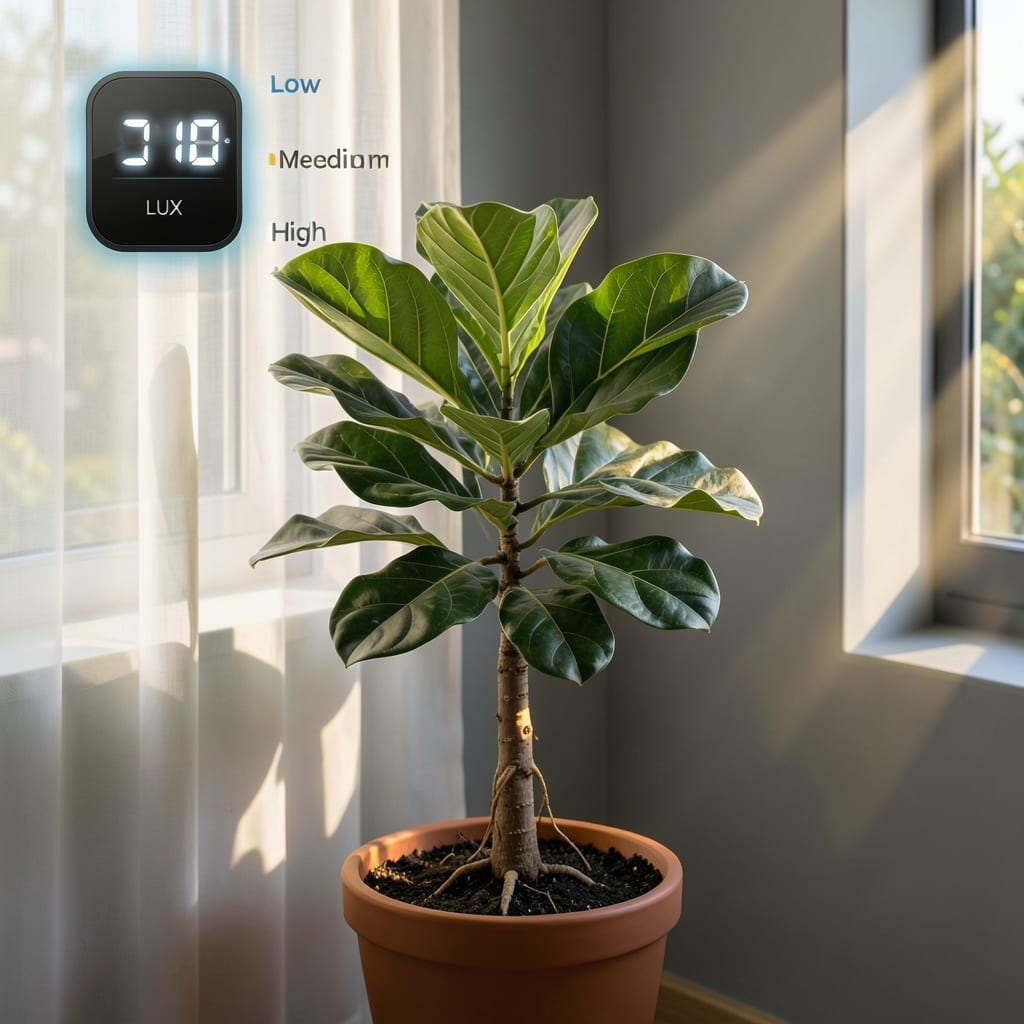
Figuring out how much light does a ficus plant need can feel like solving a puzzle—too little, and your 🌿 wilts; too much, and the leaves crisp like autumn leaves. The good news? Ficus plants are forgiving once you know their sweet spot.
Most ficus varieties thrive in bright indirect light, which means placing them near an east- or north-facing window where sunlight filters gently. Think of it like Goldilocks—you’re aiming for "just right," not scorching or shadowy corners. Even a few hours of morning sun can work, but harsh afternoon rays will leave brown patches.
If your ficus starts dropping leaves or stretching toward the light, it’s begging for better conditions. We’ll break down exactly where to place it in your home, how to spot over- or under-lighting, and even how to supplement with grow lights if needed. No more guesswork—just lush, happy foliage.
Whether you’ve got a Ficus elastica or a Ficus benjamina, these tips will keep your plant thriving year-round. Let’s get your ficus the perfect lighting balance so it stays vibrant and healthy.


Ficus light requirements: ideal brightness levels for healthy growth
Ficus plants thrive in bright indirect light, which mimics their natural understory habitat. This means placing them near a window where sunlight filters through curtains or sheer drapes. Think of it as 60% sunlight intensity—enough to keep leaves vibrant but not scorching.
Direct sunlight, especially afternoon rays, can cause leaf burn, leaving crispy brown edges. Meanwhile, low light conditions lead to leggy growth and sparse foliage. The goal is to find that sweet spot where your ficus gets 4-6 hours of filtered light daily.
Here’s how to visualize it: If you hold your hand near the plant, the shadow should be faint but visible. If it’s a sharp, dark shadow, the light is too harsh. If you can’t see a shadow at all, your ficus needs more brightness.
| Light Condition | Description | Signs of Stress | Solution |
|---|---|---|---|
| Bright Indirect Light | East or north window, 2-3 ft away | Healthy green leaves, steady growth | Ideal spot—no changes needed |
| Low Light | North-facing window or room corner | Leggy stems, small leaves, yellowing | Move closer to light or use grow lights |
| Direct Sunlight | South or west window, no filter | Brown leaf tips, crispy edges, wilting | Move 5+ ft away or add sheer curtain |
Seasonal changes also affect your ficus’s light needs. In winter, days are shorter, so supplement with a grow light if natural light drops below 4 hours. Conversely, in summer, protect your plant from intense afternoon sun by closing blinds or moving it back from the window.
Different ficus varieties have slight variations. For example, Ficus elastica (rubber plant) tolerates slightly lower light than Ficus benjamina, which thrives with more brightness. Always observe your plant’s response and adjust accordingly.
If your ficus starts dropping leaves, it’s often a sign of light stress. Check the placement: Is it too close to a heat source or drafty window? Rotate the plant every few weeks to ensure even light exposure, preventing one-sided growth.
Pro tip: Use a light meter app to measure lux levels (ideal range: 10,000–20,000 lux). If your home lacks natural light, consider a full-spectrum LED grow light for 12–14 hours daily.
Remember, ficus plants are adaptable. If you’ve had one struggling in low light, gradually acclimate it to brighter conditions over 2–3 weeks to avoid shock. Patience and observation are key to keeping your ficus thriving.
Best locations in your home for a ficus plant (with visual clues)
Finding the perfect spot for your ficus isn’t just about any window—it’s about light quality. Start with an east-facing window, where morning sun is gentle and won’t scorch leaves. This is the gold standard for ficus care, offering 4–6 hours of ideal light without the harsh afternoon glare.
North-facing windows work too, but they provide softer, less intense light. If your ficus starts stretching toward the window (a sign of etiolation), it’s begging for more brightness. Try rotating the pot a quarter-turn weekly to encourage even growth.
South- and west-facing windows are trickier. Direct sunlight here can fry leaves within days. If you must place your ficus here, position it 5+ feet away from the glass or use sheer curtains to diffuse the light. Test placement by holding your hand near the plant—if the shadow is sharp and dark, move it back.
🌱 Ficus Light Placement Guide
- ✅ East Window: Best balance—morning sun, no afternoon heat. Ideal for Ficus benjamina.
- ✅ North Window: Cool, indirect light. Perfect for Ficus elastica in low-light homes.
- ⚠️ South/West Window: Risk of leaf burn. Use curtains or sheer fabric to filter light.
- 💡 No Window? Place near a grow light (12–14 hours/day) or a well-lit hallway.
- 🌡️ Heat Tip: Avoid drafty windows or vents—ficus hate temperature swings.
For indoor growers with limited natural light, LED grow lights are a game-changer. Place the light 6–12 inches above the plant and run it for 12–14 hours daily. Look for full-spectrum bulbs that mimic sunlight—your ficus will thank you with glossy, vibrant leaves.
Watch for these visual cues to adjust placement:
- Yellow leaves? Too much direct sun.
- Stretchy stems? Needs more light.
- Brown tips? Low humidity + harsh light combo.
Rotate your ficus every 2–4 weeks to prevent lopsided growth. Even in the perfect spot, uneven light exposure can cause one side to grow toward the window while the other stays sparse. Think of it like sunbathing evenly—no tan lines allowed!
If your home lacks natural light, consider placing your ficus in a bright hallway or near a skylight. Just ensure it gets at least 4 hours of indirect light daily. With these tweaks, your ficus will thrive year-round, whether it’s basking in an east window or glowing under a grow light.