
Plants
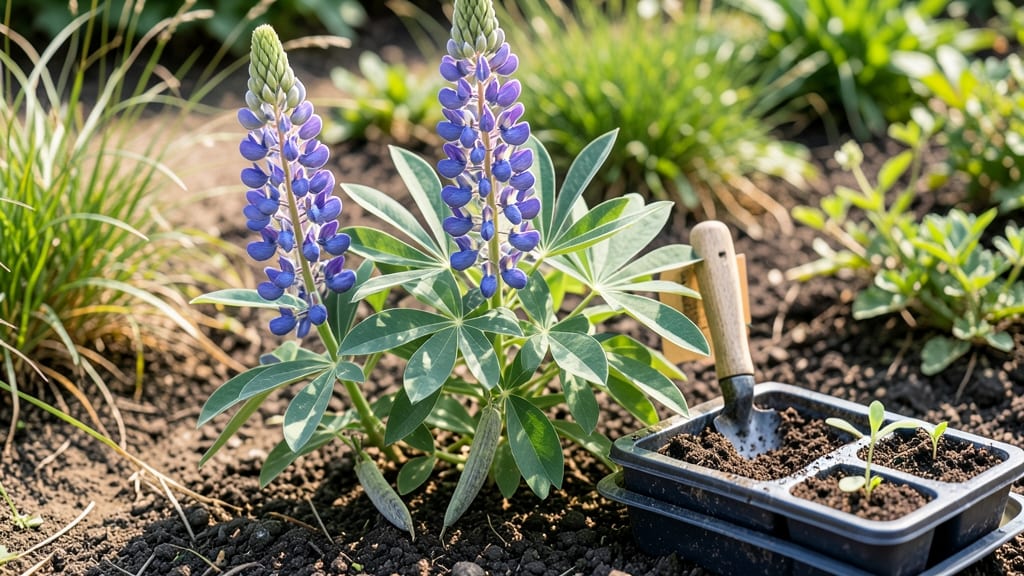
Planting lupin seeds 🌸 at the wrong time in Canada can mean the difference between a stunning summer display and a disappointing flop.
With frost dates stretching from May in the Maritimes to June in the Prairies, knowing exactly when to start your seeds is the key to vibrant blooms that last.
Most Canadian gardeners wait until after the last frost—typically late April to early June—but timing varies dramatically across zones 3a-9b. Whether you're in Vancouver or Halifax, getting this right ensures your lupins grow strong and tall, reaching their full 4-6 foot potential without struggling through early cold snaps.
I’ll walk you through the exact planting windows for your region, plus pro tips to extend your growing season with simple tricks like cold frames. No more guessing—just confident, beautiful lupins that thrive from coast to coast.
Ready to transform your garden? Let’s dive into the perfect schedule for your zone so you can enjoy those iconic purple spikes all summer long.
Canada’s lupin planting zones: when to start seeds by region
Canada’s vast geography means lupin planting times vary dramatically from Zone 3 in the Maritimes to Zone 8 in British Columbia. Lupins thrive in cool climates, but timing your seeds depends on your last frost date and whether you’re growing annual or perennial varieties.
Annual lupins (like Lupinus polyphyllus) bloom faster but die after flowering, while perennials (like Lupinus nootkatensis) return yearly with proper care.
For most Canadian gardeners, the ideal planting window is late April to early June, after the soil warms to at least 10°C (50°F). However, early starters in Zone 5+ can begin sowing indoors in March for a head start.
In colder regions (Zone 3-4), wait until mid-May to avoid frost damage to young seedlings.
Here’s how to align your planting with Canada’s USDA hardiness zones and regional frost patterns:
| Zone | Last Frost Date | Indoor Start (Mar) | Outdoor Planting | Notes |
|---|---|---|---|---|
| 3-4 (Maritimes, Quebec) | Mid-May to June 1 | No (too early) | June 1-15 | Use row covers for early starts |
| 5 (Ontario, Prairies) | May 1-15 | March 15-April 1 | May 15-June 1 | Annuals preferred in Zone 5 |
| 6 (Saskatchewan, Alberta) | April 15-May 1 | March 1-April 15 | April 20-May 10 | Drought-tolerant varieties recommended |
| 7-8 (BC, Vancouver Island) | March 15-April 1 | February 15-March 1 | March 20-April 15 | Perennials thrive in mild winters |
In Pacific Canada (Zones 7-8), lupins can even handle fall planting in September for early spring blooms. However, avoid sowing seeds after August 15 in colder zones, as seedlings won’t establish before winter.
For container growing, start seeds indoors 6-8 weeks before your last frost date, using seed-starting mix with perlite for drainage.
Pro tip: Check your local frost-free date via Environment Canada’s historical data or apps like Old Farmer’s Almanac. In Zone 4, I’ve found that planting two weeks after the average last frost date gives lupins the 3-4 weeks of warm soil they need to germinate reliably.
Soil temperature is critical—lupin seeds won’t sprout below 10°C (50°F). Use a soil thermometer to confirm readiness, especially in northern regions where cool springs delay planting. In Zone 3, I’ve had success using black plastic mulch to warm the soil 2-3 weeks earlier than usual.
For annual lupins, aim to plant by June 1 in most regions to ensure blooms before first frost. Perennials, however, can handle later plantings (June 15) since they’ll establish roots for next year.
In British Columbia’s mild climate, I’ve seen perennials planted as late as July still produce flowers the following season.
Remember: Lupins are nitrogen-fixers, meaning they improve soil health over time. The earlier you plant, the more nitrogen they’ll contribute to your garden before their first bloom. For maximum impact, pair lupins with heavy feeders like tomatoes or peppers in subsequent years.
🌱
How to time lupin seed planting for maximum blooms in short Canadian seasons
Canadian gardens have short growing seasons, so timing lupin seed planting is critical for vibrant blooms. Start seeds indoors 6-8 weeks before your last frost date—typically March to early April in most regions. This head start ensures seedlings are sturdy enough for transplanting after the frost has passed.
For direct sowing outdoors, wait until soil temperatures reach 10°C (50°F) and nighttime frosts are rare. In Zone 3-4, this is usually late May to early June, while Zone 5-8 gardeners can plant as early as mid-April.
Lupins thrive in cool weather but struggle with heat. If your summer temperatures soar above 27°C (80°F), opt for shade-cloth protection or choose dwarf varieties like 'Russell Hybrids' that tolerate heat better.
🌱 Numbered Highlights: Lupin Planting Timing Tips
- 1. Start indoors in March for Zone 3-4 or February for Zone 5+ to extend the season.
- 2. Harden off seedlings 1-2 weeks before transplanting outdoors to prevent shock from temperature swings.
- 3. Use row covers in early spring to warm soil faster and protect young plants from late frosts.
- 4. Plant in blocks (not rows) to attract pollinators and create a dramatic display.
- 5. Succession plant every 3-4 weeks in Zone 5-8 for continuous blooms from June to September.
In Pacific Canada (Zones 7-9), lupins can even handle fall planting—sow seeds in late August to early September for blooms the following spring. This works because cooler fall temperatures mimic their native habitat.
For Atlantic Canada (Zones 4-6), focus on early spring planting and use black plastic mulch to speed up soil warming. This helps lupins establish before the short summer ends.
Remember: Lupins are nitrogen-fixing plants, so they improve soil over time. The earlier you plant, the sooner they’ll boost your garden’s fertility for future seasons! 🌿