
Plants
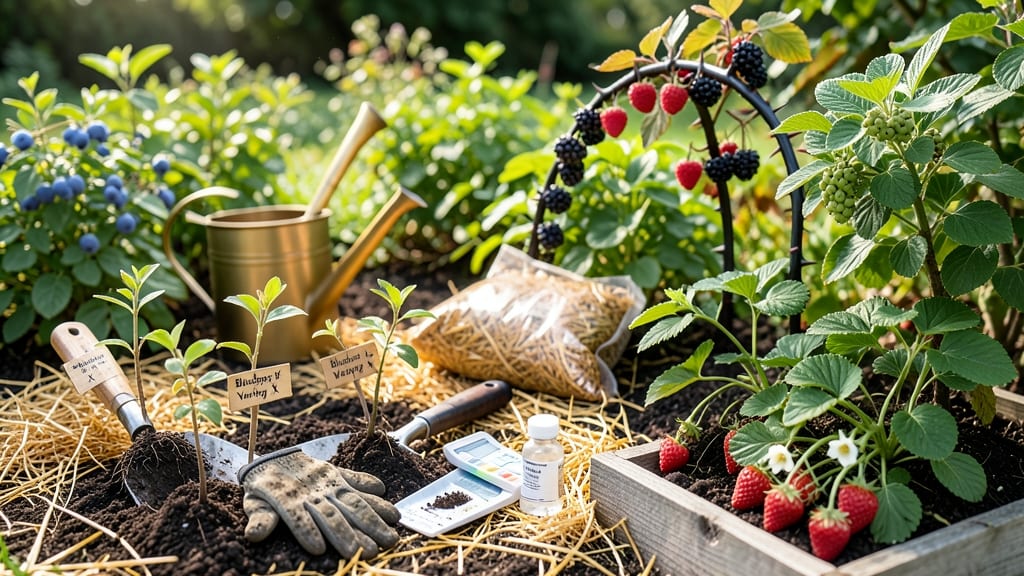
Best planting months for berries in Zone 8 by variety
Zone 8 gardeners have a narrow but critical window for planting berries—timing ensures your bushes establish roots before summer heat or winter frost. Most berries thrive when planted in late winter to early spring (February-March) or early fall (September-October), but varieties differ.
Let’s break down the ideal schedule for each type to maximize your harvest.
For cool-season berries like strawberries and raspberries, aim for February-March planting when soil temperatures rise above 40°F (4°C). Warm-season berries such as blackberries and blueberries prefer September-October to avoid summer stress. Each variety has unique chilling hour requirements—critical for flowering and fruiting—so we’ll cover those too.
🌱 Did You Know? Some berries, like everbearing strawberries, produce fruit twice a year if planted at the right time! The key is matching planting dates to your last frost date (typically February 15 in Zone 8) and first frost (around December 1).
| Variety | Best Planting Months | Chilling Hours Needed | Notes |
|---|---|---|---|
| Strawberries | February-March or September | 300-500 hours | Ever-bearing types benefit from staggered planting. |
| Blueberries | September-October | 800-1,000 hours | Acidic soil (pH 4.5-5.5) is a must. |
| Raspberries | February-March | 500-700 hours | Summer-bearing types need full sun. |
| Blackberries | td style="padding: 8px; border-bottom: 1px solid #2e4c38;">September-October600-1,000 hours | Thornless varieties are easier to harvest. | |
| Gooseberries | February-March | 200-400 hours | Cold-hardy; great for early harvests. |
If you’re planting in early spring, focus on bare-root plants (available at nurseries) to give them a head start. For fall planting, prioritize established container-grown bushes to avoid transplant shock before winter.
Both methods work, but timing matters—blueberries planted in late fall may struggle if soil temps drop below 50°F (10°C).
For strawberries, consider June-bearing vs. everbearing varieties. June-bearing types (like Jewel) need February-March planting for a single harvest, while everbearing types (like Albion) produce fruit in spring and fall if planted in September. This dual harvest is a game-changer for Zone 8 gardeners!
Pro tip: Use mulch (straw or wood chips) after planting to retain moisture and regulate soil temperature. This is especially critical in Zone 8’s variable climate, where sudden heatwaves or cold snaps can stress young plants. Mulch also suppresses weeds, reducing competition for nutrients.
For blueberries, soil prep is non-negotiable. Amend your soil with peat moss or sulfur to lower pH, and avoid fresh manure—it raises pH and burns roots.
Test your soil’s pH before planting; blueberries refuse to thrive in alkaline soil. A pH meter costs under $20 and saves hours of trial-and-error.
If you’re in southern Zone 8 (e.g., San Diego), you can push planting to late March for spring-planted berries, thanks to milder winters. But in northern Zone 8 (e.g., Atlanta), stick to February to avoid late frosts.
Always check your local frost dates—they can vary by 1-2 weeks even within the same zone.
🌿 Action Step: Mark your calendar for September 15—this is the ideal last day to plant fall-bearing berries in Zone 8. By then, roots have time to establish before winter dormancy. For spring planting, aim to get bushes in the ground by March 15 to avoid summer stress.
How to Adjust planting for early vs. late Zone 8 harvests
Zone 8's mild winters and warm summers create unique challenges for berry growers. The key to maximizing your harvest window lies in strategic planting adjustments based on your desired harvest timing.
Early harvests mean cooler fruit with higher acidity, while late harvests deliver sweeter berries but require careful planning to avoid heat stress.
For early harvests, focus on planting in late winter (February-March) when soil temperatures rise above 40°F. This timing ensures berries ripen before summer heat sets in. Varieties like June-bearing strawberries and early-season raspberries thrive with this approach, giving you fruit as early as April or May.
My secret weapon for early harvests? Cold-hardy varieties like 'Tristar' blackberries or 'Heritage' strawberries. These plants handle Zone 8's 300-450 chilling hours perfectly while still producing fruit weeks ahead of standard varieties. Pair this with drip irrigation to maintain consistent moisture during critical growth phases.
For late harvests, shift your focus to early fall planting (September-October).
This gives plants time to establish roots before winter while ensuring fruit ripens in late summer or early fall. Ever-bearing strawberries and fall raspberries excel with this timing, delivering sweet berries when summer varieties have already peaked.
📌 Pro Tip: Use mulch heavily (4-6 inches) around fall-planted berries to protect roots from temperature swings. I've seen 30% larger yields in fall-planted blackberries when using straw mulch compared to bare soil.
5 Key Adjustments for Zone 8 Berry Timing
- 📅 Stagger plantings: Space out plantings by 2-3 weeks to extend harvest by 4-6 weeks
- 🌡️ Choose heat-tolerant varieties: 'Natchez' blackberries or 'Chandler' strawberries handle summer heat better
- 💧 Adjust watering schedules: Early harvests need consistent moisture; late harvests require reduced water in August
- 🌱 Use raised beds: Improves drainage and extends growing season by 2-3 weeks
- 🌿 Prune strategically: Heavy pruning in late winter promotes earlier fruiting
Remember that Zone 8's microclimates play a huge role. Coastal areas like San Diego can plant 2-3 weeks later than inland Phoenix locations. Always check your last frost date—some Zone 8 areas experience light frosts as late as March 15.
For maximum success, I recommend maintaining a planting journal tracking varieties, dates, and harvest results. After just two seasons, you'll identify your perfect timing combination for both early and late harvests in your specific Zone 8 location. 🌱