
Companion Plants
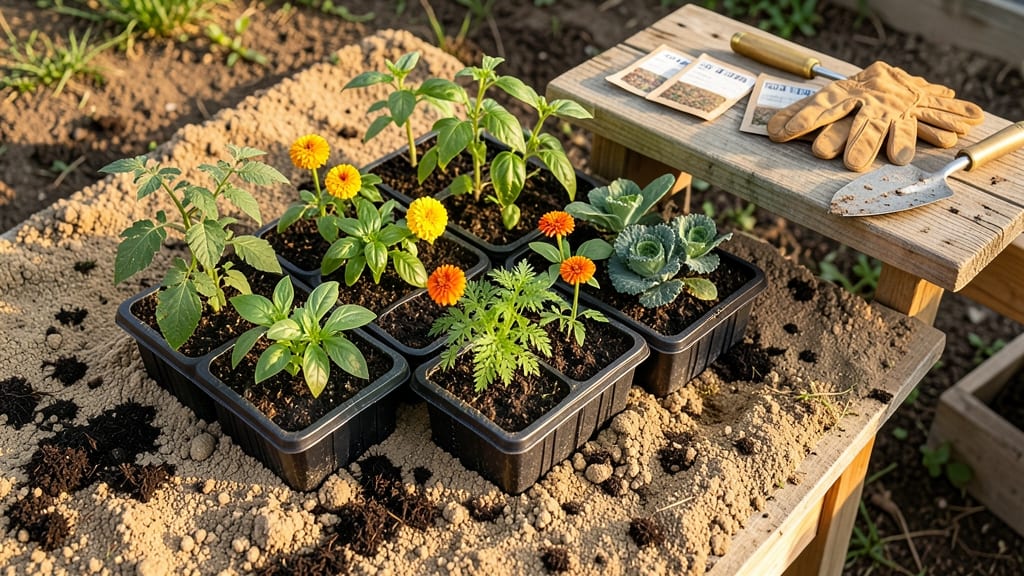
Zone 6b last frost dates: exact timing for warm-season crops by month
If you're growing tomatoes, peppers, or cucumbers in Zone 6b, timing is everything. The average last frost date falls between April 15 and May 15, but your exact window depends on local microclimates and historical data.
For example, cities like Chicago tend toward the earlier end, while Raleigh leans later. Always check the Old Farmer’s Almanac or your local cooperative extension for precise dates.
Warm-season crops like eggplants and okra need soil temperatures above 60°F to thrive. Most Zone 6b gardeners wait until mid-May to plant these heat-lovers, giving the soil time to warm up naturally. A soil thermometer is your best friend here—plant when readings hit 65°F+ for consistent germination.
Here’s the golden rule: Plant warm-season crops 2-3 weeks after your last frost date. This buffer ensures seedlings survive any late cold snaps. For example, if your last frost is May 1, aim for May 15–20 to start tomatoes and peppers.
Pro tip: Use biodegradable pots to transplant seedlings later, reducing shock.
| Crop Type | Planting Window | Soil Temp Requirement | Notes |
|---|---|---|---|
| Tomatoes | May 1–15 | 60°F+ | Use row covers for early starts |
| Peppers | May 15–30 | 70°F+ | Start indoors 8–10 weeks early |
| Cucumbers | May 1–15 | 55°F+ | Trellis for vertical growth |
| Squash | May 15–30 | 65°F+ | Direct sow after frost |
| Beans | April 30–May 15 | 50°F+ | Tolerates cooler soil |
Adjust your planting timeline if you experience an early frost or unusually warm spring. For instance, if temperatures spike in April, you might start warm-season crops like cucumbers as early as April 20.
Conversely, if frost lingers, delay until late May. Always monitor your local weather forecasts and consider using a frost clock app for real-time alerts.
For slow-growing plants like tomatoes, consider starting seeds indoors 6–8 weeks before your last frost date. This gives them a head start and ensures they’re ready to transplant when the soil is warm.
Use a heat mat to speed up germination if your indoor temps hover below 70°F.
Don’t forget about succession planting for crops like lettuce or radishes. Even in Zone 6b, you can extend harvests by sowing every 2 weeks from April through September. This strategy maximizes your garden’s productivity and ensures a steady supply of fresh produce.
If you’re unsure about your exact last frost date, dig into local records. Check with nearby master gardeners or use tools like the USDA Plant Hardiness Zone Map to refine your timing. Every 10-day window can make a difference in your garden’s success—so plan accordingly!
Remember, Zone 6b’s first frost typically arrives around October 15, but some years it can come as early as mid-September. Start harvesting warm-season crops by early September to avoid frost damage.
For late-season plants like kale or carrots, use row covers to protect them until the first frost.
Cold-hardy crops for Zone 6b: what to plant before and after frost
Zone 6b gardeners have a golden opportunity to grow cold-hardy crops that thrive in early spring and late fall, extending your harvest season beyond summer's peak.
These resilient plants—like spinach, kale, and peas—can handle light frosts and even snow, making them perfect for planting 4-6 weeks before your last frost date (around March 15-April 1).
For cool-season vegetables, timing is everything. Start seeds indoors 6-8 weeks before transplanting (early February) or sow directly into the garden once soil temperatures hit 40°F. These crops love the cooler weather and often produce sweeter flavors when grown in spring or fall rather than summer's heat.
🌱 Pro Tip: Use a garden thermometer to monitor soil temps—most cool-season crops need soil between 40-70°F to germinate properly. If your soil is too cold, wait a few weeks or use a seedling heat mat to jumpstart growth.
📌 Zone 6b Planting Timeline for Cold-Hardy Crops
- Early March: Plant onion sets and garlic for harvest in late summer.
- Mid-March: Direct-sow peas and spinach under row covers for frost protection.
- Late March-Early April: Transplant broccoli and cauliflower seedlings after last frost risk.
- Mid-April: Sow lettuce and kale for spring harvests; save space for fall replanting.
- Late August: Start fall succession crops like radishes and carrots for early winter harvests.
- September: Plant cabbage and brussels sprouts for a winter feast.
Succession planting is your secret weapon for continuous harvests in Zone 6b. For example, sow lettuce every 2 weeks from March to September—this ensures fresh greens all season long. Similarly, bush beans and radishes mature quickly (30-50 days), so you can plant new batches every few weeks.
Don’t overlook perennial herbs like parsley, cilantro, and chives, which thrive in Zone 6b’s cool climate. Plant them in early spring or fall for year-round access to fresh flavors. These herbs are also drought-tolerant once established, making them low-maintenance additions to your garden.
For a foolproof strategy, keep a gardening journal to track what works best in your microclimate. Note which crops thrive in early spring vs. late fall, and adjust your planting schedule yearly. With these cold-hardy crops, you’ll enjoy fresh produce long after summer’s end—and well before next spring!