
Plants
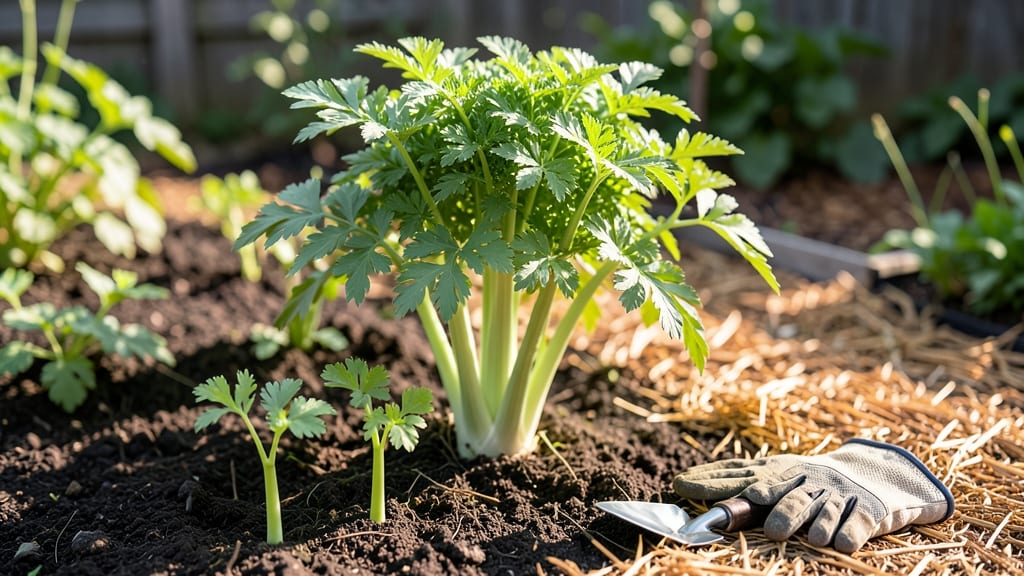
Timing your celery planting in Zone 6 isn't just about the calendar—it's about dodging the heat and frost to grow crisp, flavorful stalks instead of bitter disappointment. 🥬 If you plant too early, the cold will slow growth, and if you wait too long, summer's sweltering temperatures will send your crop bolting before harvest.
Most gardeners in Zone 6 (like 6a) know celery loves cool weather, but few realize the 30-day window between late March and early April is your best shot for spring planting.
The key is getting seeds in the ground when soil temperatures hit 50°F—any warmer, and your celery will bolt faster than you can say "soup season."
For a second harvest, late summer (July-August) is your backup plan—just be ready to provide shade if temperatures creep above 80°F. This approach lets you enjoy fresh celery from late summer through fall, avoiding the common mistake of planting too late and ending up with stunted, flavorless stalks.
I'll walk you through exactly how to time your planting, from soil prep to microclimate tricks that keep your celery thriving—no guesswork, just crisp harvests every time. Let's get started.
Best planting windows for celery in Zone 6 (early vs late season)
Celery in Zone 6 thrives when planted during cool-season windows—either early spring or late summer. The key is avoiding heat stress (above 80°F/27°C) and frost damage, which can ruin your harvest.
For most of Zone 6, the last frost date falls around mid-April, while the first frost typically arrives in mid-October. Timing your plantings to align with these dates ensures crisp, flavorful stalks instead of bitter or stunted growth.
Your two best options are spring planting (for a summer harvest) or fall planting (for a winter harvest). In Zone 6, spring planting is riskier because soil warms quickly, but with proper care, you can still succeed.
Meanwhile, fall planting often yields better results because cooler temperatures mimic celery’s ideal growing conditions. Let’s break down the exact windows and what you need to watch for in each.
| Planting Window | Ideal Months | Soil Temp | Key Considerations |
|---|---|---|---|
| Spring Planting | March–April | 50–65°F (10–18°C) | Start seeds indoors 10–12 weeks before last frost (early March). Transplant outdoors after soil warms to 50°F (10°C). Use shade cloth if temps exceed 75°F (24°C). |
| Fall Planting | July–August | 60–70°F (15–21°C) | Sow seeds directly 8–10 weeks before first frost (late July). Harvest before first frost or use row covers for winter protection. Ideal for cold-hardy varieties like 'Winter pascal celery'. |
| Avoid Planting | May–June | Above 75°F (24°C) | Celery bolts and turns bitter in heat. If you must plant, use shade cloth and daily watering. |
For spring planting, begin seeds indoors in early March (about 10–12 weeks before your last frost date). This gives seedlings a head start before transplanting outdoors in late March to early April, once soil temperatures reach 50°F (10°C).
If you’re sowing directly outdoors, wait until mid-April when the ground is consistently warm. Use black plastic mulch to speed up soil warming and retain moisture—this is a game-changer for Zone 6 gardeners.
If you’re in the northern part of Zone 6 (e.g., 6a), aim for late March to early April plantings. In the southern part of Zone 6 (e.g., 6b), you can push it to early April.
The goal is to have mature plants ready for harvest before summer heat sets in. Celery planted in May or June will almost certainly bolt (send up flower stalks) or develop a bitter taste due to heat stress.
For fall planting, the window is July to early August. This timing ensures your celery matures before the first frost (usually mid-October). Start seeds directly in the garden in late July, spacing them 12–18 inches apart in rows 18–24 inches apart.
Use drip irrigation to keep soil evenly moist, as fall can bring unpredictable rain patterns. If you’re in a warmer microclimate (like near a brick wall or pavement), plant on the cooler north side of your garden to delay heat exposure.
One common mistake in Zone 6 is planting too early in spring and watching seedlings rot in cold, wet soil. To avoid this, test soil temperature with a thermometer—celery roots won’t grow well below 50°F (10°C).
If your soil is too cold, wait a few weeks or use row covers to warm it faster. Another pitfall is overcrowding plants, which leads to thin, leggy stalks. Always follow spacing guidelines (12–18 inches apart) for crisp, thick harvests.
Pro tip: If you’re eager for a year-round celery supply, try succession planting. Sow a new batch of seeds every 2–3 weeks during your ideal planting windows. This staggered approach ensures a continuous harvest from late summer through fall.
Pair this with cold frames or low tunnels to extend your growing season even further into winter.
Remember, celery is a cool-season crop, so it hates heat. If your summer temps climb above 80°F (27°C), your plants will suffer. Use shade cloth (30–50%) to protect them during the hottest part of the day.
This simple trick can mean the difference between a crisp harvest and a disappointing one. Keep an eye on your plants, and don’t hesitate to adjust their environment as needed.
Finally, choose the right variety for your Zone 6 climate. For spring, opt for 'Tall Utah' or 'Golden Self-Blanching'—both handle cooler temps well. For fall, 'Winter Pascal' or 'Primo' are excellent cold-hardy choices.
These varieties are bred to thrive in your region’s conditions, giving you the best chance for success.
Best planting windows for celery in Zone 6 (early vs late season)
Celery in Zone 6 thrives in cool temperatures between 50°F and 75°F, making timing critical. Plant too early, and frost will damage seedlings; too late, and summer heat causes bolting (premature flowering). The ideal windows are early spring (March-April) and late summer (July-August) for fall harvests.
In Zone 6, the last frost date typically falls around mid-April, while the first frost arrives in mid-October. Use these dates as your guide: spring plantings should occur 4-6 weeks before last frost, and fall plantings should start 8-10 weeks before first frost.
| Planting Window | Best Time (Zone 6) | Soil Temp | Key Notes |
|---|---|---|---|
| Early Spring | March 15 - April 15 | 50°F+ | Start seeds indoors 10-12 weeks before last frost for transplants. |
| Late Summer | July 1 - August 15 | 60°F+ | Direct sow after soil warms and before September heat peaks. |
| Avoid | May - June | N/A | Heat stress causes bitter flavor and bolting. |
For northern Zone 6 (6a), aim for March 20-April 5 in spring and July 10-August 10 for fall. In southern Zone 6 (6b), extend spring to April 15 and fall to August 20 to avoid early/late frosts.
Always test soil temperature with a thermometer—celery seeds need 50°F+ to germinate. If soil is colder, wait or use row covers to warm it. Direct sowing works best in spring, while transplants give you more control in fall.
Pro tip: Succession plant every 2 weeks in spring for a staggered harvest. In fall, prioritize quick-maturing varieties like 'Tall Utah' or 'Golden Self-Blanching' to finish before frost.
Remember: Celery hates heat—once temperatures hit 85°F+, growth slows, and flavor suffers. Plan your planting window to avoid summer’s peak! 🥬