Plants
Knowing when to plant broccoli in Zone 6b isn’t just about throwing seeds in the dirt—it’s the difference between a garden full of tender, flavorful 🥦 and one that bolts into bitter disappointment.
In Zone 6b, where last frosts linger around mid-April and summer heat arrives fast, timing your broccoli just right means avoiding the two biggest mistakes: planting too early (and risking frost damage) or too late (and watching your crop rush to seed before you can harvest).
The secret lies in those 4-6 weeks before your last frost—a window that gives broccoli enough cool weather to establish roots while still having time to mature before summer’s heat sets in.
But here’s the catch: Zone 6b’s shortened growing season demands precision. Skip this step, and you might end up with stunted plants or, worse, a garden full of flowers instead of food.
I’ve grown broccoli in Zone 6b for years, and I’ve learned the hard way that spring and fall are your only true chances for success. Plant too late in spring, and the heat will turn your broccoli into a sad, bitter mess.
Plant too early in fall, and frost will nip it before it even gets started. The good news? With the right schedule—and a few pro tips—I’ll show you exactly how to nail those planting windows every time.
Ready to grow broccoli that’s bold, sweet, and ready to harvest? Let’s break down the exact weeks to plant, the best varieties for Zone 6b, and how to tweak your timing based on your microclimate—so you can finally enjoy that garden-fresh 🥦 you’ve been dreaming of.
Optimal broccoli planting schedule in Zone 6b: exact weeks before last frost
In Zone 6b, where the average last frost date falls between April 15–May 1, timing your broccoli planting is critical. The 4–6 weeks before last frost window for spring crops ensures strong seedlings emerge as soil warms to 40–50°F.
For fall harvests, aim for 8–10 weeks before first frost (typically September 15–20) to avoid bolting from summer heat.
Broccoli is a cool-season crop that detests summer’s 80°F+ temperatures, which trigger bolting (premature flowering). By planting at these precise intervals, you align growth with Zone 6b’s 60–70°F ideal range, maximizing head size and flavor. Miss these windows, and you risk stunted plants or bitter, woody stems.
Here’s the breakdown for Zone 6b’s exact planting schedule, including early, mid, and late season adjustments to extend your harvest:
| Planting Window | Zone 6b Dates | Soil Temp | Days to Harvest | Harvest Month |
|---|---|---|---|---|
| Early Spring | March 1–15 | 40–50°F | 60–70 days | June–July |
| Mid Spring | March 15–April 1 | 45–55°F | 55–65 days | June–July |
| Late Spring | April 1–15 | 50–60°F | 50–60 days | June |
| Fall (Early) | August 1–15 | 55–65°F | 60–70 days | October–November |
| Fall (Late) | August 15–31 | 60–70°F | 55–65 days | October |
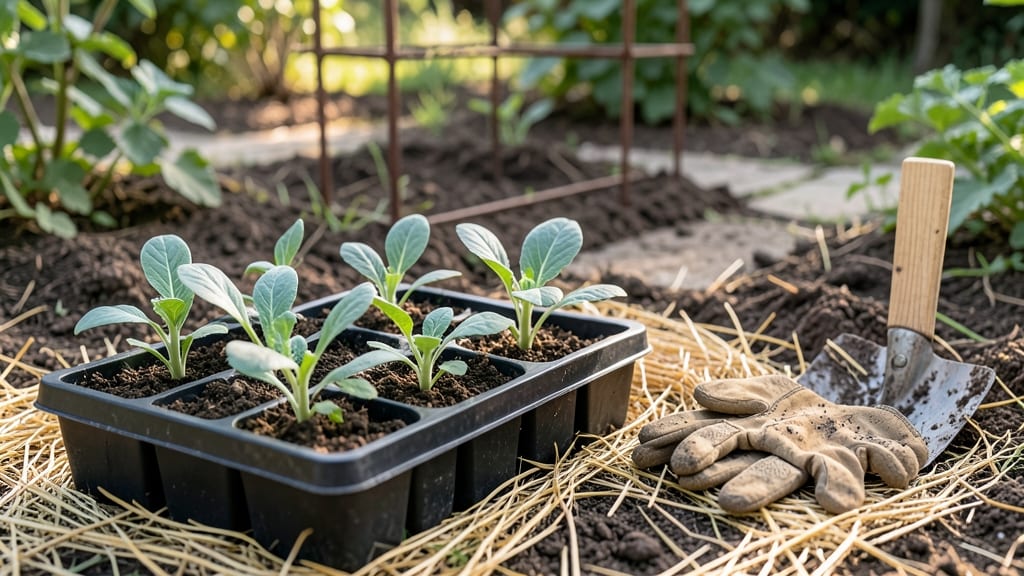
For spring planting, start seeds indoors 6–8 weeks before last frost (around February 15) to transplant outdoors by March 1. This head start gives seedlings a 2–3 week advantage over direct-sown seeds, which struggle in cold, wet Zone 6b soils.
Use biodegradable pots to minimize transplant shock when moving seedlings to the garden.
In fall, prioritize heat-tolerant varieties like ‘Waltham 29’ or ‘Calabrese’ to delay bolting. Plant 8–10 weeks before first frost (by September 15) to ensure heads mature before temperatures drop below 40°F. Succession planting every 2 weeks in late summer can stretch your harvest into November.
Pro tip: Use a frost clock or local microclimate data (e.g., urban areas may frost 1–2 weeks later than rural zones). Adjust your planting dates accordingly—Zone 6b’s frost dates vary by 10–14 days across the region.
If you’re using row covers or a cold frame, you can push spring planting 2–3 weeks earlier (into late February) and extend fall harvests into December. Just remove covers during the day to prevent overheating and bolting.
Remember: Broccoli hates heat. If summer temperatures exceed 75°F for more than 3–5 days, even well-timed plants will bolt. Choose shade-tolerant varieties like ‘De Cicco’ for late-spring or early-fall plantings in hot microclimates.
How to adjust planting times for broccoli success in Zone 6b’s climate
Zone 6b’s unpredictable spring temperatures and hot summers can turn your broccoli dreams into bitter disappointment if you don’t adjust planting times. The key is understanding how soil temperature and heat tolerance affect your crop’s success—especially for varieties like ‘Waltham 29’ or ‘Calabrese’.
Broccoli bolts (prematurely flowers) when stressed by heat above 80°F or drought conditions. In Zone 6b, this means avoiding late spring plantings that coincide with May’s warming trends. Instead, focus on early spring or late summer windows when temps stay cooler.
To extend your growing season, use row covers or shade cloth during summer months. These tools can lower soil temps by 5-10°F, creating a cooler microclimate for broccoli. For example, planting ‘De Cicco’ under shade cloth in late July can yield harvests in October.
Succession planting is another smart strategy. Sow small batches every 2 weeks from March to May to stagger harvests. This ensures you’re always harvesting fresh heads while avoiding the June heatwave that typically hits Zone 6b.
For fall crops, aim to plant 8-10 weeks before your first frost (typically August 15–September 1). Choose heat-tolerant varieties like ‘Green Magic’, which matures in just 50 days—perfect for escaping summer’s worst heat.
Monitor your local frost dates and adjust by 1-2 weeks if your area runs cooler or warmer than average. For example, if your last frost is April 22 instead of April 15, plant 6 weeks earlier (by March 1) to align with your microclimate.