Plants
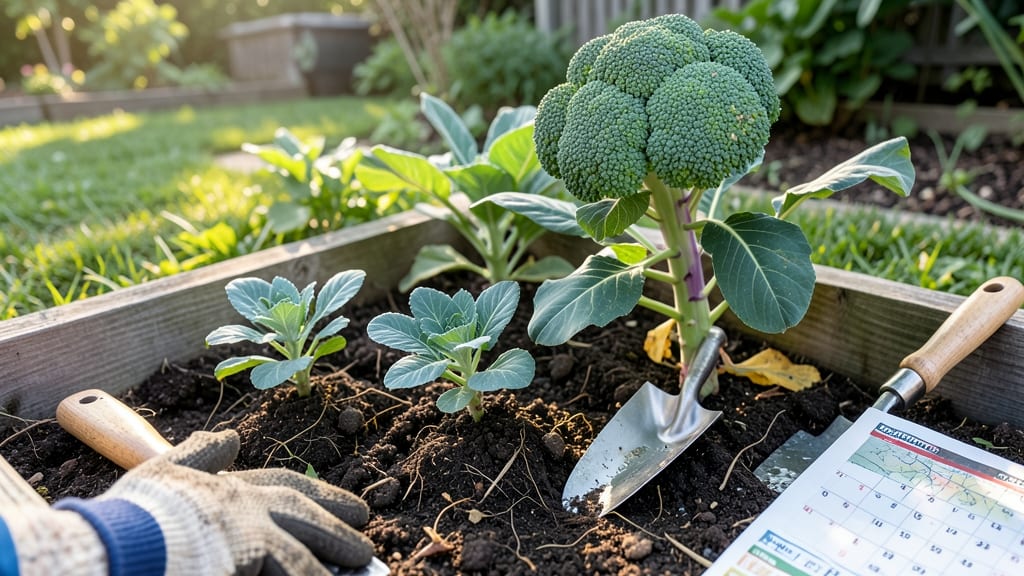
Connecticut broccoli planting calendar: exact dates by zone for fall & spring harvests
Connecticut’s USDA Zone 6a climate offers two prime windows for planting broccoli: early spring and late summer. Timing is critical—plant too early, and your broccoli bolts from cold snaps; too late, and frost ruins your harvest. Here’s the exact schedule to maximize yields.
For spring harvests, aim to plant 4-6 weeks before Connecticut’s average last frost date—typically mid-March to early April. This gives seedlings time to establish roots before soil warms. For fall harvests, plant 8-10 weeks before the first frost (usually mid-August to early September).
Connecticut’s microclimates (coastal vs. inland) can shift these dates by 1-2 weeks. Use local frost-free day estimates (about 165 days in most areas) to fine-tune your schedule. For example, coastal towns like New London may plant 1 week earlier than inland Hartford.
| Planting Window | Zone 6a (CT) | Key Considerations |
|---|---|---|
| Spring Planting | March 15–April 15 | Transplant after soil reaches 40°F; use row covers for early starts. |
| Fall Planting | August 1–September 10 | Choose bolting-resistant varieties; harvest before October 15 frost. |
| Succession Planting | Every 2 weeks (April–July) | Stagger plantings for continuous harvests; ideal for small gardens. |
| Last Frost Date | April 15 (avg.) | Use Almanac frost charts for your town; adjust by ±7 days. |
| First Frost Date | October 15 (avg.) | Plant heat-tolerant varieties for late-summer starts. |
🌱 Pro Tip: Check CT’s 2024 frost dates via Old Farmer’s Almanac for real-time adjustments.
Start indoor seedlings 6-8 weeks before transplanting (typically late January to early March for spring). Use grow lights to prevent leggy seedlings. Harden off plants 1 week before outdoor planting by gradually exposing them to CT’s cooler mornings.
For direct sowing, broadcast seeds ¼-inch deep in well-drained soil with compost. Thin seedlings to 12-18 inches apart to prevent crowding. In Connecticut’s clay-heavy soils, amend beds with sand or peat moss to improve drainage and avoid rot.
Extend your harvest with succession planting: Sow new seeds every 2 weeks from April to July. This ensures a steady supply of fresh broccoli from June through October. Pair with fast-maturing varieties like ‘Calabrese’ for quicker turns.
Monitor soil temperatures—broccoli thrives in 60-70°F soil. Use a soil thermometer to avoid planting when temperatures dip below 50°F, which stunts growth. In cooler microclimates (e.g., Litchfield Hills), opt for earlier varieties like ‘Waltham 29’.
After transplanting, mulch with straw or shredded leaves to retain moisture and suppress weeds. In Connecticut’s humid summers, mulch also prevents bolting by keeping roots cool. Water deeply 2-3 times per week, aiming for 1-2 inches of moisture per session.
Plan for fall harvests by choosing cold-hardy varieties like ‘De Cicco’ or ‘Belstar’. These tolerate light frosts and produce sweeter heads after first frost exposure. Harvest before hard frosts (below 25°F) to preserve quality.
How to avoid bolting: proven tips for Connecticut’s unpredictable climate
Connecticut’s unpredictable spring temperatures can turn your broccoli plants from lush to bolting overnight. Cold snaps followed by sudden warmth trick broccoli’s heat sensitivity, causing premature flowering. The key? Control soil and air temperatures while giving plants the right conditions to mature steadily.
Broccoli bolts when exposed to consistent temps above 80°F or rapid temperature swings. In CT’s Zone 6a, this often happens in late April or May when daytime highs spike but nights remain chilly. My trick? Monitor soil temps—keep them between 60-70°F for optimal growth without stress.
⚠️ Bolting Warning Signs
- 🌱 Stems elongate rapidly (3+ inches/day)
- 🌼 Flower buds form on main head
- 🌡️ Leaves yellow at edges (heat stress)
Action: Harvest immediately or shade plants ASAP.
For spring plantings, use shade cloth (30-50%) during heatwaves. Secure it 3-4 feet above plants to avoid trapping moisture. I’ve had success with ‘De Cicco’ broccoli, which tolerates 50°F nights better than most varieties—critical for CT’s late-May frosts.
Another game-changer? Succession planting every 2 weeks from March 15 to April 15. This spreads harvest risk—if early plants bolt, later ones stay productive. Pair this with mulching (straw or grass clippings) to stabilize soil temps and retain moisture during CT’s dry springs.
In fall plantings, aim for August 1-15 to harvest before October’s first frost. Use row covers on nights below 40°F to protect tender seedlings. I’ve grown ‘Waltham 29’ reliably in CT—it handles 35°F nights without bolting, giving me a second harvest window.
Finally, avoid over-fertilizing with nitrogen—it promotes leafy growth over heads. Stick to balanced 5-10-10 fertilizer and side-dress with compost instead. My zero-bolt broccoli secret? Consistency: steady water, shade when hot, and patience through CT’s mood swings.