
Plants
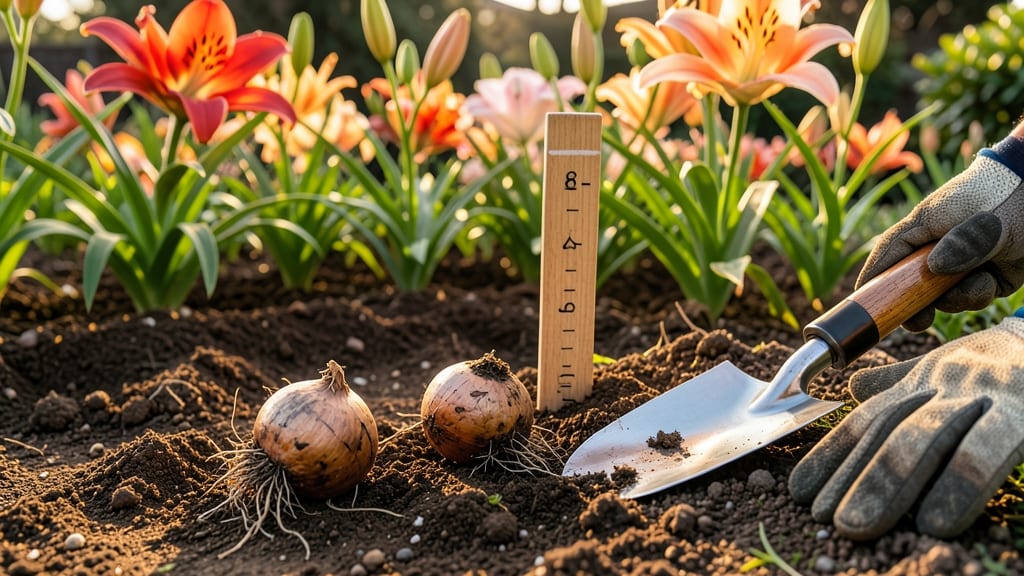
Timing your lily bulb planting in Colorado can feel like a high-stakes game of chance—one wrong move, and your 🌸 could freeze before winter or rot in soggy soil.
But here’s the secret: the 6-week window between mid-September and October is your golden opportunity to get it right, no matter where you are in zones 5-7.
Why does this matter? Because Colorado’s unpredictable frost dates—especially at higher elevations—mean bulbs need time to root before the ground hardens. Plant too early, and they’ll sprout too soon; too late, and they won’t establish before winter.
I’ll show you how to read your soil’s temperature cues and adjust for your specific county’s frost risks.
You’ll also discover which lily varieties thrive best in Colorado’s climate, from hardy martagon lilies that shrug off early snow to heat-tolerant regale hybrids that bloom like crazy in Denver’s summer sun.
Plus, I’ll share my pro tip for avoiding the dreaded "winter heave" that can pop bulbs right out of the ground.
Let’s cut through the guesswork so you can plant with confidence—and wake up next summer to a garden bursting with 🌸 that’ll make your neighbors jealous. Ready to get started?
Colorado’s lily planting zones: frost-free deadlines by county
Colorado’s diverse elevations create a patchwork of planting zones, where a Denver garden might have 4-6 weeks of frost-free growing season compared to Colorado Springs. To avoid frost damage or root stress, timing is everything.
Most Colorado counties fall under USDA Zones 4-7, but high-altitude areas (like Boulder) can push Zone 3. Here’s your county-by-county guide to lily bulb planting deadlines.
For lowland areas (e.g., Pueblo, Fort Collins), aim to plant lily bulbs between late September and early October. These regions typically see their first hard frost around mid-October, leaving just enough time for roots to establish before winter dormancy.
In contrast, mountain valleys (e.g., Aspen, Leadville) should plant 4-6 weeks earlier, often in August, to account for earlier frosts.
🌱 Colorado Lily Planting Deadlines by Zone
| County/Zone | Ideal Planting Window | First Frost Date | Notes |
|---|---|---|---|
| Denver (Zone 5) | Late September - Early October | Mid-October | High-altitude adjustments may delay planting. |
| Colorado Springs (Zone 6) | Mid-September - Late October | Late October | Warmer microclimates extend window. |
| Boulder (Zone 5-6) | Late August - Early September | Early October | Elevated risk of early frost. |
| Fort Collins (Zone 5) | Late September - Early October | Mid-October | Dry climate; water deeply after planting. |
| Pueblo (Zone 6) | Mid-September - Late October | Late October | Arid conditions; amend soil with compost. |
Use the National Weather Service or local Cooperative Extension office to confirm frost dates for your specific area. For example, Grand Junction (Zone 6) often has a 2-week later frost date than Denver, giving gardeners more flexibility.
If you’re unsure, err on the side of earlier planting—lily bulbs can tolerate cooler soil but won’t thrive if planted too late.
Pro tip: Mark your calendar for 6-8 weeks before the first frost. This gives bulbs enough time to develop roots 3-4 inches deep before winter sets in. For high-altitude gardens, consider using black plastic mulch to warm the soil and extend the planting window by 1-2 weeks.
Colorado’s diurnal temperature swings (hot days, cold nights) can stress newly planted bulbs. To mitigate this, water bulbs deeply after planting and apply a 2-inch layer of mulch (straw or shredded leaves) to insulate roots.
Avoid organic mulches like grass clippings, which can mat and trap moisture, leading to rot.
If you’re planting in containers, adjust your timeline by 2 weeks earlier—pots heat up faster and cool down quicker than in-ground soil. Place containers in a sheltered location (like a garage or under an eave) to protect them from early frost or late-season heatwaves.
Remember, lily bulbs planted in November may still sprout before winter, but their growth will stall until spring. While this isn’t ideal, the bulbs will survive and often produce stronger blooms the following year. The key is ensuring they’ve established some roots before the ground freezes.
For urban gardeners in cities like Aurora or Lakewood, microclimates near buildings or pavement can create warmer soil pockets. Test your soil temperature with a soil thermometer—aim for 50-60°F at planting depth (6 inches) for optimal root growth.
Finally, if you miss the ideal window, don’t panic! Lily bulbs can be planted in early spring (March-April) for summer blooms, though they may take 1-2 years to establish fully. Just be prepared for smaller flowers the first year
Signs your Colorado soil is ready for lily bulbs (and when to delay)
Colorado’s soil temperature is the #1 factor determining when to plant your lily bulbs. Aim for 50-60°F soil temps—any colder, and roots won’t establish before winter’s first freeze. Use a soil thermometer ($10 at garden centers) to check depths of 4-6 inches, where bulbs will sit.
Watch for these 3 key soil cues before planting: moist but not soggy soil, warmth at 4-inch depth, and no lingering summer heatwaves (above 85°F stunts root growth). If your soil feels cooler than 50°F or is still baking hot, delay planting by 1-2 weeks.
Colorado’s mountain regions (e.g., Eagle County) can see first snow by late September. If your forecast shows a 50%+ chance of snow within 2 weeks of planting, wait until soil temps stabilize above 55°F—even if it means planting in early November.
Test soil moisture by squeezing a handful—it should hold shape but crumble when released. Clay-heavy soils (common in Denver’s plains) need sand or compost to improve drainage, while sandy soils (like in Pueblo) benefit from organic matter to retain moisture.
For high-altitude gardens (above 7,000 feet), like Boulder or Fort Collins, plant 2-3 weeks later than lower elevations. These areas have shorter growing seasons and earlier frosts, so bulbs need every extra day to root.
If you’re unsure, use the "knuckle test": Stick your finger 4 inches into the soil. If it feels cool to the touch (like a basement wall), wait at least 5-7 days. If it’s warm like room temperature, it’s time to plant.
Pro tip: Mulch after planting with 2-3 inches of straw to insulate bulbs from temperature swings and retain moisture. This is especially critical in Colorado Springs’ dry climate, where soil can dry out quickly after rain.