
Plants
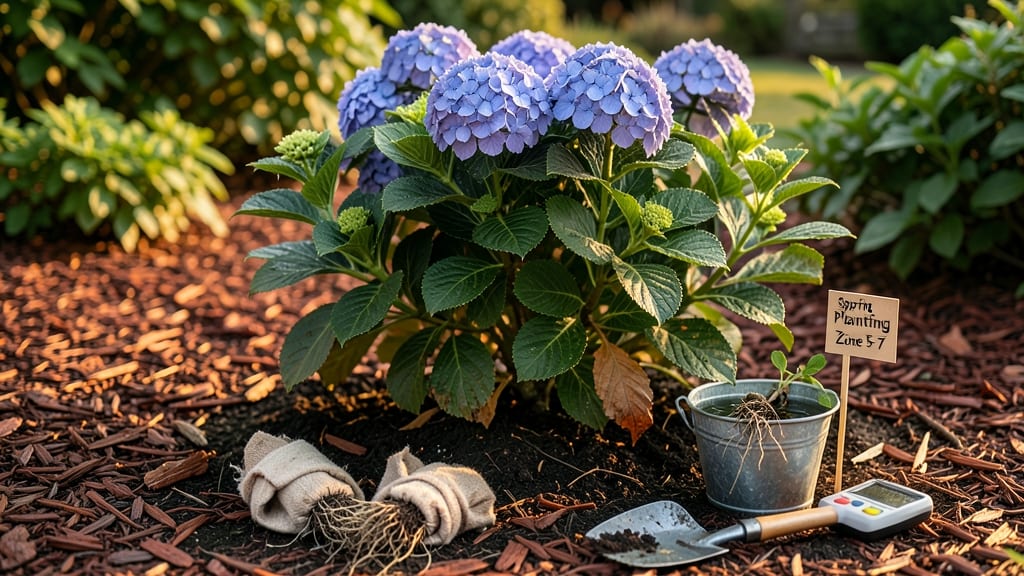
Timing your hydrangea planting in Massachusetts is the key to avoiding frost damage and ensuring those showstopping blooms 🌸. If you plant too early, a late spring frost could wipe out your new shrubs before they even take root.
But get the schedule right—and you’ll be rewarded with vibrant clusters of color all summer long.
Most Massachusetts gardeners in Zone 6a should aim to plant between April 15 and May 15, once the soil has warmed and the risk of frost has passed. This window gives your hydrangeas the best chance to establish strong roots before summer heat arrives.
Whether you're in Boston’s coastal warmth or the inland chill of Worcester, knowing your local frost dates makes all the difference.
You might wonder if fall planting is an option—but in Massachusetts’ climate, it’s riskier. While some gardeners try planting in early September, the shorter growing season means your hydrangeas won’t have enough time to settle in before winter. Stick to spring for the safest, most reliable results.
Ready to dive deeper? I’ll walk you through everything from soil prep to post-planting care, so your hydrangeas thrive from the first day in the ground. Let’s get those roots growing!
Massachusetts hydrangea planting zones: when to plant by last frost dates
Massachusetts spans USDA Zones 5a through 6b, meaning frost dates vary dramatically from the coastal warmth of Cape Cod to the colder inland valleys of Western MA.
In Zone 5a (Western MA), gardeners face a May 10 average last frost date, while Zone 6b (coastal areas) often sees frost-free soil by April 20. These differences mean your planting window could shift by three weeks depending on where you live.
For most of Massachusetts, the ideal planting window is between April 15 and May 15. This gives young hydrangeas time to establish roots before summer heat arrives.
However, bare-root hydrangeas (often sold dormant) can be planted as early as late March in warmer zones, while container-grown plants offer more flexibility and can go in until early June—just be prepared for extra watering.
Here’s the critical detail: Plant hydrangeas after the last frost, but don’t wait until the soil is scorching hot. The sweet spot is when daytime temps consistently reach 60°F (15°C) and nighttime lows stay above 45°F (7°C). This balance ensures root growth without stressing the plant.
🌱
| Zone & Location | Avg. Last Frost | Best Planting Window | Notes |
|---|---|---|---|
| Zone 5a (Western MA: Springfield, Pittsfield) | May 10 | May 1-15 | Wait for soil to warm; use frost cloth if planting early. |
| Zone 5b (Central MA: Worcester, Fitchburg) | April 25 | April 20-May 10 | Cooler inland areas; protect young plants from late frosts. |
| Zone 6a (Eastern MA: Boston, Providence) | April 15 | April 10-May 5 | Urban areas may have microclimates; test soil temp. |
| Zone 6b (Coastal MA: Cape Cod, Nantucket) | April 5 | March 30-April 20 | Warmer coastal soils; ideal for early planting. |
In Zone 5a, where late frosts are common, I recommend waiting until May 1 to plant hydrangeas, even if the soil feels warm earlier. Use a soil thermometer to confirm temps are above 50°F (10°C) at a 4-inch depth.
For Zone 6b, you can push the envelope and plant as early as late March, but monitor local forecasts for unexpected cold snaps—especially near bodies of water, which can create frost pockets.
Pro tip: Container-grown hydrangeas adapt better to late planting than bare-root varieties. If you’re in Zone 5a and miss the spring window, opt for potted plants and plant them in early June.
Just mulch heavily and water deeply to compensate for the delayed start. For bare-root hydrangeas, soak the roots in water for 2-3 hours before planting to reduce transplant shock.
🌿
One common mistake I see is planting hydrangeas too deep. The crown (where stems meet roots) should sit just above soil level. If buried too deep, hydrangeas suffocate and may rot.
After planting, water thoroughly to settle the soil, then apply a 2-3 inch layer of mulch to retain moisture and regulate temperature. This is especially critical in Zone 5a, where soil can stay cold longer.
For gardeners in urban areas like Boston, pay attention to heat islands. Pavement and buildings can raise soil temperatures by 5-10°F, making it safer to plant hydrangeas 2-3 weeks earlier than rural areas.
Use your local weather station data (like Massachusetts Horticultural Society reports) to fine-tune your timing.
Finally, remember that hydrangeas planted in fall (September-October) can also thrive in Massachusetts, provided they have 6-8 weeks to establish roots before winter. This is a great strategy for Zone 6b gardeners who want to avoid spring planting entirely. Just water deeply before the first frost and mulch generously.
☀️
How to extend your hydrangea planting season in Massachusetts: tips for early or late planting
If you missed the ideal April 15–May 15 window for planting hydrangeas in Massachusetts, don’t panic! With the right strategies, you can safely plant earlier or later.
For gardeners in Zone 5a (like Western MA), late frosts can push planting back, while coastal areas like Cape Cod may offer earlier opportunities. The key is understanding your microclimate and using protective measures.
For early planting (March or early April), focus on frost protection. Use row covers or cold frames to shield young plants until temperatures stabilize. If you’re planting bare-root hydrangeas, soak the roots overnight and plant in slightly warmer microclimates, like near south-facing walls.
Container-grown plants handle early planting better—they warm up faster than bare-root varieties.
For late planting (June or early September), prioritize well-draining soil and consistent watering. Young hydrangeas planted in late summer need extra care to establish roots before winter. Choose dwarf varieties like ‘Little Lime’ for faster establishment, and mulch heavily to insulate roots.
Avoid planting after mid-September—the shrubs won’t have enough time to harden off before frost.
⚠️ Late Planting Warning
Risk: Planting hydrangeas after September 15 in Massachusetts increases frost damage risk. Roots won’t establish before winter dormancy.
Solution: If you must plant late, use black plastic mulch to warm soil and protect roots. Water deeply 2–3 times per week until frost.
Another trick for extending your season? Container planting. Pots warm up faster in spring and can be moved to sheltered spots if frost threatens. Use 5-gallon containers for mature hydrangeas and plant in well-draining potting mix.
Just remember: containers dry out faster, so check soil moisture daily in summer.
For gardeners in cooler inland areas, consider greenhouse or cold-frame starts. Begin seeds indoors in late February and transplant outdoors after the last frost. This gives your hydrangeas a head start and extends the growing season by 4–6 weeks.
Just be sure to harden off seedlings gradually to avoid shock.
No matter when you plant, soil temperature is your best guide. Use a soil thermometer—hydrangeas thrive when soil reaches 60°F (15°C). If temperatures dip below 50°F (10°C), delay planting or use protective covers. With these tips, you can successfully plant hydrangeas almost year-round in Massachusetts!