
Plants
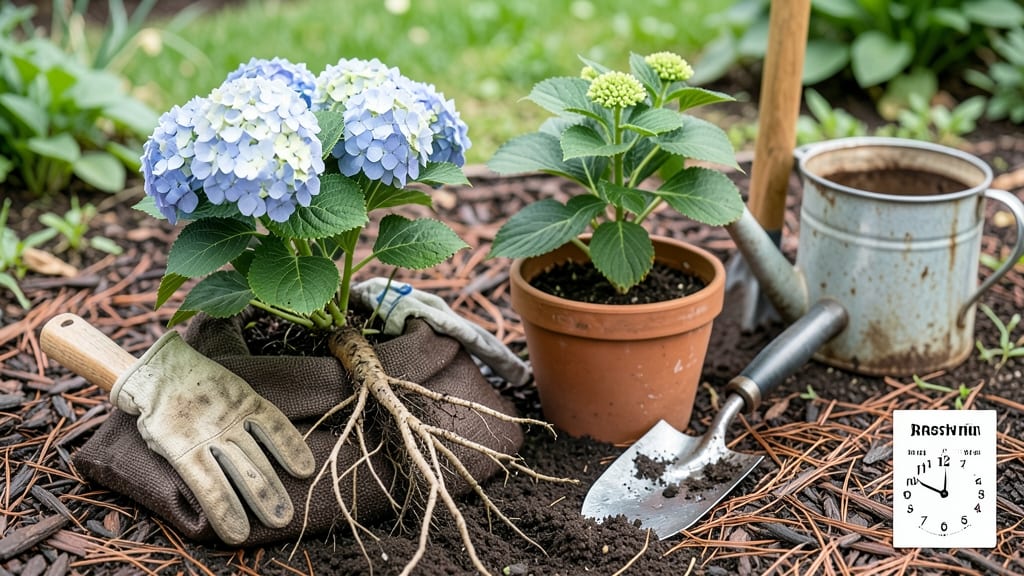
Timing your hydrangea planting in Maine isn’t just about the calendar—it’s about outsmarting 5b-6a frost surprises that can turn your dream blooms into sad, leggy stems.
The late April to early June window is your sweet spot, but one wrong move (like planting too early) could leave your 🌸 shrubs struggling through Maine’s chilly springs.
Here’s the real secret: understanding how last-frost dates vary across Maine’s coastal and inland regions—because what works in Portland might fail in Bangor. I’ll break down the frost-date math so you can plant with confidence, whether you’re tucking bare roots into the ground or potting up a new variety.
You’ll also discover which hydrangea types handle Maine’s short growing season best (hint: some varieties bloom earlier or tolerate cooler soils better). Plus, I’ll share pro tips to stretch your planting window by 2-3 weeks without risking bolting—because nobody wants to wait another year for those showstopping clusters.
Ready to turn your garden into a hydrangea hotspot? Let’s dive into the exact steps to plant yours at the perfect moment—no guesswork, just guaranteed blooms.
Maine’s frost-date math: the perfect hydrangea planting window
Maine’s USDA Zones 5b-6a mean hydrangeas face a 150-day growing season, leaving little room for error. Plant too early, and frost will nip tender roots. Too late, and your shrub might bolt before summer’s end.
The sweet spot? After May 15th in most regions, but coastal areas like Bar Harbor can plant 2-3 weeks earlier than inland Bangor.
Your best bet is to track last frost dates—Maine’s average is mid-May, but coastal areas often see frost-free soil by late April. Use the National Weather Service or local cooperative extension data for precise timing.
For container-grown hydrangeas, you can push planting to early June if needed, but in-ground plants need warmer soil (55°F+) to thrive.
Hydrangeas are not frost-hardy at planting—even Zone 4 varieties need established roots before winter. The 3-week window between last frost and summer heat is critical. Miss it, and you risk stress, stunted growth, or no blooms.
🌱
| Region | Last Frost Avg | Ideal Planting Window | Risk if Late |
|---|---|---|---|
| Coastal (e.g., Portland) | Late April | Early May | Heat stress |
| Inland (e.g., Augusta) | Mid-May | Late May | Frost damage |
| Northern (e.g., Presque Isle) | Early June | Early June | Short season |
🌡️ Soil Temp Matters More Than Air Temp
For container-grown hydrangeas, you’ve got flexibility. Move pots to protected spots (like near a south-facing wall) to extend the season by 2-3 weeks. In-ground plants, however, need permanent protection from wind and well-draining soil to avoid root rot—critical in Maine’s clay-heavy soils.
Pro tip: Test soil temperature with a soil thermometer—hydrangeas need 55°F+ soil to root successfully. In Zone 5b, this often means waiting until late May. In Zone 6a, you might squeak in by mid-May.
If you’re transplanting established hydrangeas, do it in early spring (April) or early fall (September)—but only if soil temps are above 40°F. Fall planting gives roots time to establish before winter, but avoid late fall—new roots won’t harden off in time.
🌿
Maine’s microclimates can shift planting windows by weeks. A south-facing slope might be 2 weeks warmer than a north-facing yard.
Use these tricks to extend your window: - Black plastic mulch warms soil by 5-10°F. - Row covers protect young plants from late frosts. - Windbreaks (like evergreen hedges) prevent transplant shock.
Remember: Hydrangeas planted in Maine after June 1st may not bloom that year. The plant focuses on root establishment instead of flowers. For guaranteed blooms, stick to the May window—or choose early-blooming varieties like ‘Limelight’ or ‘Endless Summer’.
Maine’s frost-date math: the perfect hydrangea planting window
Maine’s USDA Zones 4-5 demand precision when planting hydrangeas. The last spring frost typically hits mid-May, but coastal areas like Portland often warm up 1-2 weeks earlier than inland spots like Bangor.
Planting too early risks frost damage, while waiting too long can stunt root establishment before summer heat arrives.
For container-grown hydrangeas, I recommend planting 2-3 weeks after your local last frost date. Bare-root varieties need 4-6 weeks to establish roots before summer’s peak heat. Check Maine’s frost-free days—most regions average 150 frost-free days, leaving just enough time for hydrangeas to bloom before winter.
| Region | Last Frost Date | Ideal Planting Window | Risk Factor |
|---|---|---|---|
| Coastal (Portland, Bar Harbor) | Late April - Early May | Early May - Mid-May | Low (warmer microclimate) |
| Inland (Augusta, Bangor) | Mid-May | Late May - Early June | Moderate (colder nights) |
| Northern (Presque Isle) | Early June | Mid-June | High (short season) |
Use Maine’s frost-date calculator (available from the Maine State Climate Office) to pinpoint your exact window. For Panicle hydrangeas, which bloom on new wood, I plant 1-2 weeks earlier than Oakleaf varieties, which bloom on old wood and need established roots for next year’s blooms.
Soil temperature matters too—wait until the ground reaches at least 55°F. In southern Maine, this usually aligns with late April to early May, while northern regions may need to wait until June. Test with a soil thermometer or dig down 6 inches to check moisture levels.
For container planting, I extend the window by 2 weeks since pots warm up faster. Place containers in protected microclimates, like near south-facing walls, to shield roots from late frosts.
Mulch with 3-4 inches of straw after planting to insulate roots and retain moisture during Maine’s unpredictable spring rains.
Pro tip: Mark your calendar for June 15th as the absolute last date to plant hydrangeas in most of Maine. After this, roots won’t establish enough to handle winter’s freeze-thaw cycles. For bare-root plants, soak roots overnight before planting to reduce transplant shock in Maine’s dry springs.