
Plants
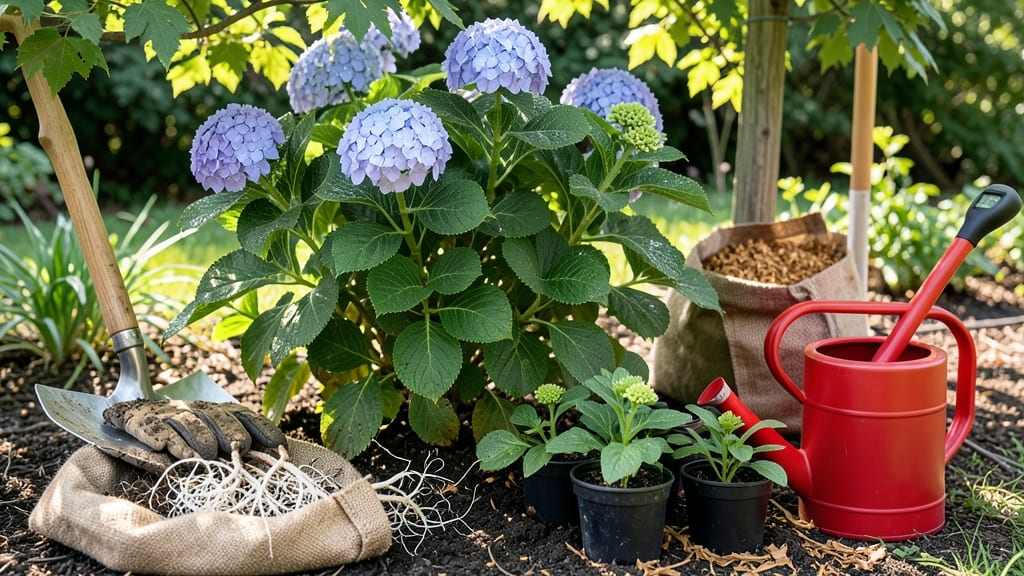
Indiana hydrangea planting deadlines by variety and Zone 6 conditions
Indiana’s Zone 6a climate gives you two prime windows to plant hydrangeas: spring (April–May) and fall (September–October). Missing these deadlines risks stunted growth or frost damage, especially for tender roots.
Let’s break down the best times for each popular variety and how Indiana’s last frost date (April 15) and first frost (October 15) shape your planting schedule.
For bigleaf hydrangeas, aim to plant 4–6 weeks before your last frost—typically mid-April in Indiana—to give roots time to establish before summer heat. Panicle hydrangeas, like ‘Limelight,’ are more forgiving and can handle late spring plantings, but fall is ideal for them too. Oakleaf hydrangeas prefer cooler soil, so fall planting (September) is often better for them.
Bare-root hydrangeas need to be planted as soon as you receive them in spring, while container-grown plants can wait until after the last frost. Indiana’s unpredictable spring weather means container-grown hydrangeas are often the safer bet for beginners.
Soil temperature is your secret weapon: hydrangeas thrive when soil is above 50°F (10°C). Use a soil thermometer to check—planting too early in cold soil can shock roots. In Indiana, this usually aligns with late April for most regions.
Fall planting is a hidden gem for Indiana gardeners. Planting in September or early October allows roots to establish before winter dormancy. Just avoid planting after October 1, as new roots won’t have time to harden off before frost.
🌸
🌿 Indiana Hydrangea Planting Timeline
| Variety | Best Planting Window | Soil Temp Threshold | Indiana-Specific Tip |
|---|---|---|---|
| Bigleaf (e.g., 'Endless Summer') | April 15–May 15 | 50°F+ (10°C+) | Avoid planting in clay-heavy soil without amendments. |
| Panicle (e.g., 'Limelight') | April 1–May 30 | 45°F+ (7°C+) | Tolerates late spring plantings better than other types. |
| Oakleaf (e.g., 'Snow Queen') | September 1–October 1 | 40°F+ (4°C+) | Fall planting prevents summer stress in Indiana’s heat. |
| All Varieties (Container-Grown) | April 15–May 15 or Sept 1–Oct 1 | 50°F+ (10°C+) | Best for beginners—roots aren’t disturbed. |
Indiana’s microclimates can shift planting deadlines by weeks. Northern Indiana (e.g., Fort Wayne) may need to wait until May 1 for safe spring planting, while southern Indiana (e.g., Louisville) can start as early as April 1. Check your local USDA Zone 6a/6b frost maps to fine-tune your schedule.
If you miss the spring window, don’t panic—fall is your backup. Just ensure you plant 6–8 weeks before the first frost (by September 15 in Indiana). This gives roots time to establish before winter dormancy. Mulch heavily after planting to insulate roots from temperature swings.
Pro tip: Indiana’s clay-heavy soils can delay soil warming in spring. Amend planting holes with compost or peat moss to improve drainage and warmth. This helps hydrangeas establish faster, even if you plant slightly early.
For container-grown hydrangeas, harden off plants for 3–5 days before transplanting. Acclimate them to Indiana’s wind and sun by gradually reducing shade and exposure. This step is crucial for preventing transplant shock, especially in Indiana’s variable spring weather.
🌿 Remember, hydrangeas planted in fall often outperform spring-planted ones in Indiana because they avoid summer heat stress. Start with a well-draining hole, mix in organic matter, and water deeply after planting. Your hydrangeas will reward you with bold blooms next season!
Indiana hydrangea planting deadlines by variety and Zone 6 conditions
Indiana’s Zone 6 climate creates a narrow window for planting hydrangeas—too early, and frost will damage tender roots; too late, and your shrubs won’t establish before winter. The ideal planting window spans April through May for spring and September through October for fall, aligning with soil temperatures above 50°F.
For bare-root hydrangeas, prioritize spring planting to give roots time to establish before summer heat. Container-grown hydrangeas, however, can handle late spring or early fall transplanting, as their root balls protect them from temperature swings.
Always check your local last frost date—Indiana’s average is April 15, but microclimates can shift this by 1-2 weeks.
Here’s a quick reference for Indiana gardeners:
| Variety | Spring Planting Window | Fall Planting Window | Soil Temp Threshold |
|---|---|---|---|
| Bigleaf Hydrangea | April 15–May 15 | September 15–October 10 | 50°F+ |
| Panicle Hydrangea | April 1–May 30 | September 1–October 15 | 45°F+ |
| Oakleaf Hydrangea | April 20–May 10 | September 10–October 5 | 55°F+ |
Fall planting offers a second chance for missed spring opportunities, but avoid transplanting after October 15, when Indiana’s first frost typically arrives. Panicle hydrangeas are the most frost-tolerant, making them ideal for late-season planting, while bigleaf varieties need extra mulch protection if planted in fall.
Pro tip: Acclimate container-grown hydrangeas to outdoor conditions for 7–10 days before planting by placing them in a shaded, protected spot. This hardens their roots and reduces transplant shock—a critical step for Indiana’s unpredictable spring weather swings.
Remember, hydrangea blooms form on old wood (except panicle types), so planting too late in spring may delay your first flush of flowers. Prioritize root establishment over immediate blooms for long-term success.