
Plants
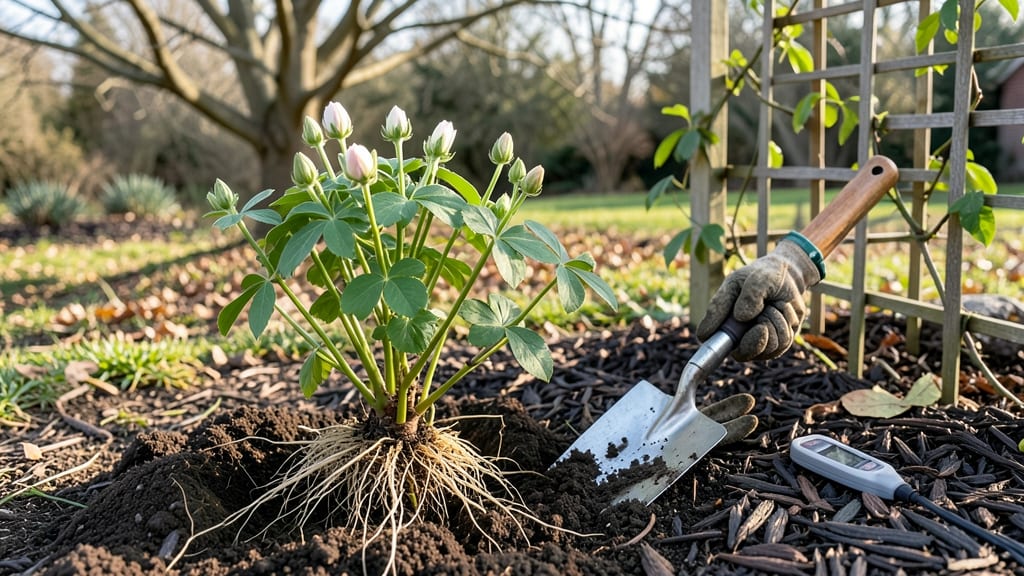
Timing your clematis planting in Indiana could mean the difference between a showstopping vine 🌸 and a struggling plant that never quite thrives.
With Indiana's Zone 5b-6b climate, you've got just a 4-6 week window each spring to get it right—and missing that mark can leave your clematis vulnerable to frost or root stress.
Most gardeners make the mistake of waiting too long, only to watch their plants wilt when late frosts roll in around April 15.
But here's the good news: with the right soil prep and a few pro tips, you can give your clematis the perfect start—whether you're planting in-ground or containers.
I'll walk you through exactly when to plant, how to prep your soil for Indiana's clay-heavy conditions, and the common pitfalls to avoid.
If you've ever wondered why your clematis blooms fizzle out or struggle to climb, the answer might be in your planting timeline. We'll cover the ideal spring and fall windows, how to adjust for Indiana's microclimates, and even how to protect your plant from our unpredictable weather patterns.
Let's get your clematis off to a strong start so you can enjoy those stunning blooms all season long.
Ready to transform your garden? By the end of this guide, you'll know the exact deadline for planting in your area, how to create the perfect growing conditions, and the simple steps to keep your clematis thriving year after year. Let's make this your best planting season yet!
Optimal clematis planting deadline in Indiana (Zone 5-6): week-by-week guide
Indiana’s Zone 5-6 climate demands precise timing for clematis planting—too early risks frost damage, while late planting stresses roots. The ideal window spans mid-April to early May, aligning with soil temperatures above 50°F (10°C) and after the last average frost date (April 15 in most regions).
For fall planting, aim for early September to allow roots to establish before winter dormancy. This second window works best in southern Indiana (Zone 6), where winters are milder. Northern areas (Zone 5) should prioritize spring planting to avoid winter heaving.
Clematis roots thrive when planted in cool but frost-free soil. In Indiana, this means waiting until ground temperatures stabilize—test by pressing your finger into the soil; it should feel damp but not icy. Use a soil thermometer for accuracy, targeting 55-65°F (13-18°C).
Missed the spring window? Don’t panic—clematis can handle late April plantings if you use row covers for frost protection. However, roots planted after May 1 may struggle to establish before summer heat arrives, leading to transplant shock.
Here’s your Indiana-specific planting timeline:
| Timeframe | Action | Indiana-Specific Notes |
|---|---|---|
| Late March - Early April | Prep soil (amend with compost) | Test soil pH (aim for 6.5-7.0); add lime if acidic. |
| Mid-April (after last frost) | Plant bare-root clematis | Use mulch (3-4 inches) to retain moisture in clay soils. |
| Early May | Plant container-grown clematis | Water deeply to compensate for Indiana’s dry springs. |
| Early September | Fall planting window | Ideal for Zone 6; mulch heavily for winter protection. |
Pro tip: In northern Indiana (Zone 5), monitor local frost forecasts—delay planting if a hard freeze is predicted. Use frost cloth for the first 2 weeks post-planting to shield tender new growth.
Clematis planted in early spring (before May 1) produces stronger first-year growth and blooms more vigorously in Year 2. Late plantings may result in stunted vines or delayed flowering due to root stress.
For container gardening, plant clematis in late April to early May—containers warm up faster than ground soil, reducing frost risk. Use well-draining potting mix with 30% perlite to prevent waterlogged roots, a common issue in Indiana’s heavy clay.
Remember: Clematis roots need 6-8 weeks to establish before summer heat arrives. Planting too late (after May 15) forces the plant to focus on survival rather than blooming, cutting 30-50% of potential flowers the following season.
Optimal clematis planting deadline in Indiana (Zone 5-6): week-by-week guide
Indiana’s Zone 5-6 climate demands precise timing for clematis planting—aim for mid-April through early May when soil temperatures hit 50°F+. This window balances frost risk and root establishment, ensuring your vines thrive. Late frosts can still occur, so monitor local forecasts and adjust your schedule accordingly.
For fall planting, September is ideal—allowing roots to establish before winter while avoiding late-season heat stress. Both seasons work, but spring planting gives your clematis a head start for the first growing season. Never plant after May 15 in Indiana, as summer heat can stress young roots.
Key planting deadlines for Indiana gardeners:
- Spring: April 15–May 10
- Fall: September 1–15
These dates align with Indiana’s last frost average (April 15) and first frost warning (October 15), giving your clematis the best chance to establish.
| Stage | Action | Indiana-Specific Tip |
|---|---|---|
| Soil Prep | Test pH (6.5–7.0) | Indiana’s clay soil? Amend with compost + sand. |
| Planting Window | April 15–May 10 | Wait until soil warms to 50°F+ to avoid root shock. |
| Crown Depth | 2–3 inches below soil | Prevents stem rot in Indiana’s humid summers. |
| Support Setup | Install trellis before planting | Indiana winds can damage vines without support. |
| Watering | Deep soak weekly | Morning watering prevents fungal issues in Indiana’s humidity. |
Indiana’s microclimates vary—northern areas (Zone 5b) may need to wait until late April, while southern regions (Zone 6b) can plant as early as mid-April. Check your local frost dates and adjust accordingly. For container planting, extend your window slightly—containers warm faster in spring.
Pro tip: Mulch heavily after planting to retain moisture and regulate soil temperature. Indiana’s spring temperature swings can stress young clematis, so mulch acts as a buffer. Use 3–4 inches of organic mulch (straw or shredded leaves) and keep it 6 inches away from the stem to prevent rot.
Timing isn’t just about the calendar—it’s about soil conditions. Test your soil’s moisture and temperature before planting. Ideal soil should feel like a wrung-out sponge and reach 50°F+. Use a soil thermometer for accuracy, especially in Indiana’s variable spring weather.