
Plants
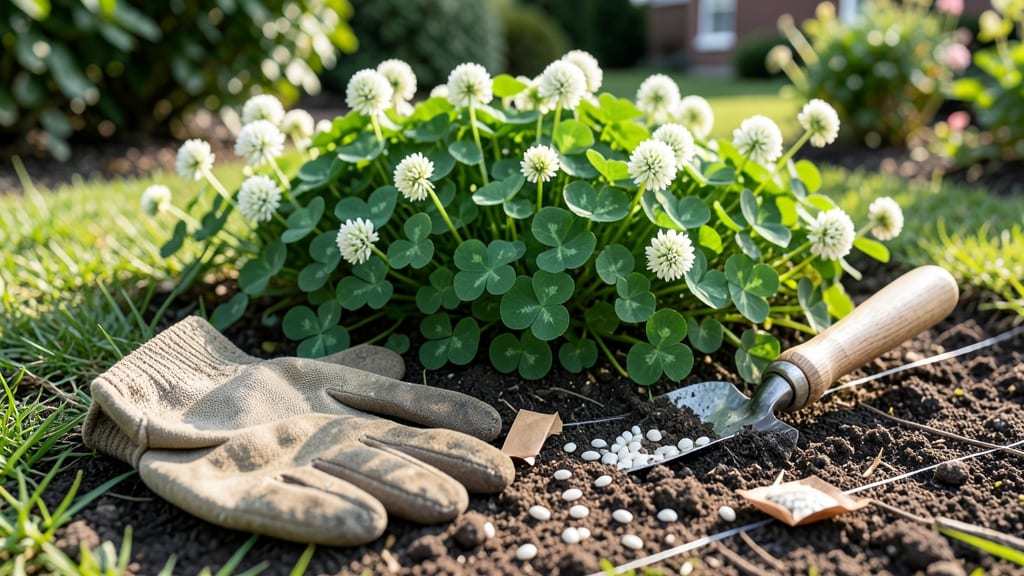
Timing your clover planting just right in spring could mean the difference between a lush, vibrant patch of 🌱 and a sad, stunted failure. The key isn't just picking a random weekend—it's about understanding when your soil warms up enough to support those delicate seeds.
In Zone 6a, where last frost typically hits around mid-April, you'll want to wait until soil temperatures reach at least 60°F—usually late April to early May. Planting too early risks frost damage, while waiting too long might let weeds steal the show before your clover gets established.
I've learned the hard way that red clover and white clover each have their own preferences—some prefer slightly cooler soils, others need that extra warmth.
Let me break down exactly when to plant each type based on your local climate, so you can avoid those common mistakes that kill germination before it starts.
Whether you're sowing seeds for pollinators, soil improvement, or a future harvest, getting this timing right is the first step to success. Let's dive into the exact conditions that'll give your clover the best possible start.
Optimal soil temperature ranges for planting clover by type
Spring planting success for clover hinges on soil temperatures—too cold, and seeds won’t germinate; too hot, and they’ll dry out before sprouting. Most clover varieties prefer soil temperatures between 45°F and 70°F, but the exact range depends on the type.
For example, white clover thrives at 45°F–65°F, while red clover needs 50°F–70°F to kickstart growth. Alsike clover falls in between, favoring 50°F–65°F.
To check your soil temperature, use a simple soil thermometer (insert it 2–3 inches deep) in the morning. If temperatures are below the ideal range, wait 1–2 weeks or use a black plastic mulch to warm the soil faster.
Cooler climates may need to delay planting until late spring when soil finally heats up.
Timing matters even more in northern zones (3–6), where soils warm slowly.
Here, aim for late April to early May when daytime temps consistently stay above 50°F. In southern zones (7–10), you can plant as early as February to March, but avoid planting when soils exceed 75°F, which can stress young seedlings.
🌱 Clover Soil Temperature Guide
| Clover Type | Ideal Soil Temp | Best Planting Window | Soil Prep Tip |
|---|---|---|---|
| White Clover | 45°F–65°F | Early to mid-spring | Loosen soil to 4 inches |
| Red Clover | 50°F–70°F | Mid-spring | Add compost for warmth |
| Alsike Clover | 50°F–65°F | Late spring | Test pH (6.0–7.0) |
🌡️ Pro Tip: Use a soil thermometer to confirm temps before planting.
If you’re planting clover for pollinators, prioritize red clover—its higher temperature range attracts bees earlier in the season. For lawns or erosion control, white clover’s lower threshold makes it more versatile in cooler regions. Always plant when daytime highs exceed 55°F to ensure consistent germination.
One common mistake is assuming "spring" means March in all zones. In reality, Zone 3 gardeners should wait until May, while Zone 10 can start in February. Use your local frost-free date as a backup—plant 2–3 weeks after to account for late frosts.
For example, if your last frost is April 15, aim for May 1 to be safe.
To speed up soil warming, till in aged manure or compost 1–2 weeks before planting. This raises soil temps by 5–10°F and improves drainage, which clover seeds need to avoid rotting.
Avoid fresh manure—it can overheat the soil and harm germination. Instead, opt for well-rotted options like leaf mold or straw.
For container gardening, soil warms faster in pots, so you can plant 2–3 weeks earlier than in-ground. Place containers in full sun and use black fabric pots to absorb heat.
Monitor soil temps daily—if they drop below 40°F, move pots to a sheltered, sunny spot or use a mini greenhouse to protect seedlings.
Remember, clover seeds are tiny—¼ inch deep is ideal. Planting too deep (over ½ inch) can suffocate them, while shallow planting (under ⅛ inch) risks drying out. Use a seed starter mix or light compost to ensure even coverage.
After sowing, gently press seeds into the soil and water lightly to settle them without washing them away.
Once planted, maintain consistent moisture—clover seeds need to stay damp for 10–14 days to germinate. Use a fine mist setting on your hose or a spray bottle to avoid disturbing the soil. Avoid overhead watering, which can compact the soil and prevent oxygen from reaching seeds.
Optimal soil temperature ranges for planting clover by type
Planting clover at the right soil temperature ensures strong germination and healthy growth. Most clover varieties thrive when soil reaches 45°F to 65°F, but specific types have slightly different preferences.
For example, white clover prefers cooler soils (45°F–55°F), while red clover and alsike clover grow best in warmer soil (50°F–70°F).
To test your soil temperature, use a soil thermometer and check it in the morning. If it’s too cold, wait a few days or use black plastic mulch to warm the soil faster. In cooler climates, consider starting seeds indoors or using a seedling heat mat for a head start.
Here’s how soil temperatures affect each clover type:
| Clover Type | Ideal Soil Temp | Best Planting Time | Notes |
|---|---|---|---|
| White Clover | 45°F–55°F | Early spring (March–April) | Cold-hardy; great for lawns |
| Red Clover | 50°F–70°F | Mid-to-late spring (April–May) | Fast-growing; attracts pollinators |
| Alsike Clover | 50°F–65°F | Late spring (May) | Drought-tolerant; good for erosion control |
If your soil is still too cold, consider cover cropping with winter rye or planting cool-season grasses instead. These can be removed later to make way for clover once temperatures rise. Always aim to plant clover 2–4 weeks before your last frost date for the best results.
For faster germination, mix clover seeds with a light layer of compost or use a seed starter fertilizer to boost early growth. Avoid planting in waterlogged soil, as clover roots need good drainage to thrive.
Once planted, keep the soil consistently moist but not soggy. A thin layer of mulch (like straw) helps retain moisture and regulate soil temperature. Monitor your clover’s progress—you should see sprouts within 7–14 days if conditions are ideal.