
How To
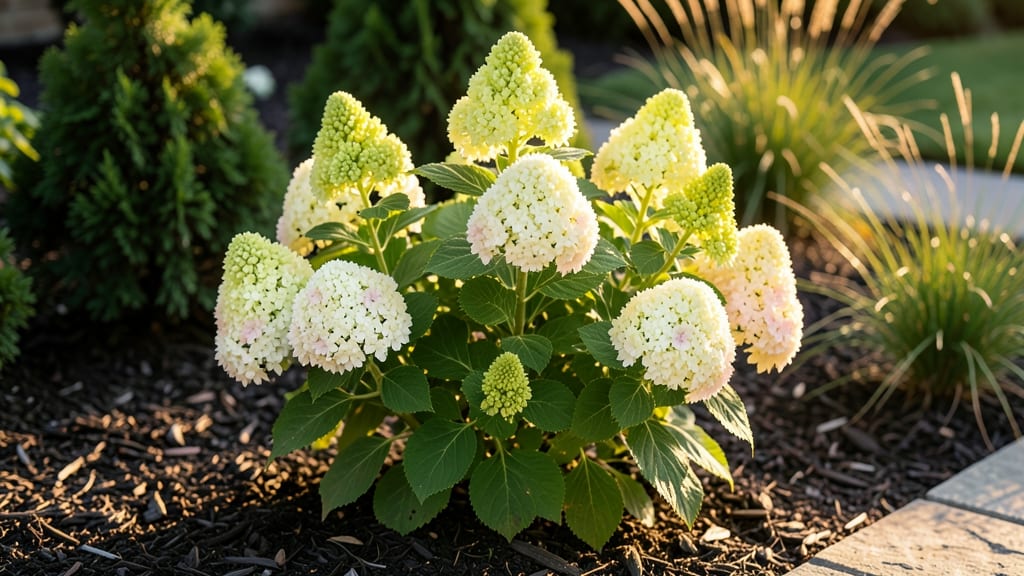
If you're dreaming of adding a pop of vibrant color to your garden or patio but are worried about space, how tall do Little Lime hydrangeas grow?
These cheerful shrubs typically reach a mature height of 3 feet, making them ideal for containers, small gardens, or even window boxes. But how do you ensure they stay compact and thrive? Let’s explore what you need to know to keep your 🌸 Little Lime hydrangea looking its best.
The beauty of Little Lime hydrangeas lies in their versatility—they’re not just small but also adaptable. Whether you’re growing them in full sun or partial shade, these plants usually grow 6 to 12 inches per year, so their size is easy to manage with the right care.
The key is understanding how sunlight, pruning, and container size can influence their growth, ensuring they stay within that ideal 3-foot range you’re aiming for.
If you’ve ever wondered how to control their height or compare them to other hydrangea varieties, you’re in the right place. I’ll walk you through practical tips—like pruning techniques and container choices—that help maintain their compact size.
Plus, we’ll look at how Little Lime stacks up against other dwarf hydrangeas, so you can make the best choice for your space.
Ready to transform your garden or patio with these stunning 🌸 shrubs? Let’s dive into everything you need to know to keep your Little Lime hydrangeas happy, healthy, and perfectly sized for your outdoor oasis.


Little Lime hydrangea height: mature size, growth rate, and space needs
If you’ve fallen in love with the Little Lime hydrangea for its vibrant lime-green blooms and compact form, you’re not alone—it’s a favorite among gardeners with limited space. But how tall do these beauties really grow?
Under ideal conditions, Little Lime hydrangeas typically reach a mature height of 18 to 36 inches, making them perfect for containers, small gardens, or patio plantings. Their growth rate averages 6 to 12 inches per year, so you won’t see them towering over your balcony overnight.
Unlike their larger cousins, Little Lime hydrangeas are bred for controlled growth, but their final height depends on several factors, including sunlight exposure, pruning habits, and container size.
For example, a plant in a 12-inch pot with afternoon shade might max out at 24 inches, while one in the ground with full sun could stretch closer to 36 inches. Understanding these variables helps you plan your garden layout or container setup for the best results.
Here’s what you need to know about their growth patterns and how to manage them for a neat, manageable size:
🌱 Little Lime Hydrangea Growth Summary
| Growth Stage | Height Range | Key Factors |
|---|---|---|
| Year 1 | 12–24 inches | Root establishment, minimal pruning |
| Year 2 | 24–36 inches | Full sun exposure, balanced fertilizer |
| Mature (Years 3+) | 24–36 inches | Pruning in late winter, container size |
| Dwarf (Pruned) | 18–24 inches | Regular pruning, 12-inch pots |
💡 Pro Tip: Use morning sun and afternoon shade to slow vertical growth while keeping blooms vibrant.
One common misconception is that Little Lime hydrangeas will stay tiny forever—without proper care, they can outgrow their welcome. For instance, if you skip annual pruning or use a too-large container, you might end up with a leggy plant stretching toward 4 feet.
To keep them at their ideal 24–36 inch height, focus on light pruning in late winter and choosing containers with adequate drainage but not excessive space.
Another factor that affects height is soil quality. Little Lime hydrangeas thrive in well-draining, acidic soil (pH 5.5–6.2). If your soil is heavy clay or alkaline, their growth can become stunted or uneven.
Amending the soil with peat moss or compost ensures they get the nutrients they need to grow strong and compact. I’ve found that adding a slow-release fertilizer in early spring also promotes steady, controlled growth.
When comparing Little Lime hydrangeas to other dwarf varieties, their height is on the larger end of the spectrum. For example, Limelight hydrangeas can reach 4–6 feet, while Annabelle hydrangeas stay closer to 2–3 feet.
This makes Little Lime a great middle-ground option for gardeners who want height without bulk. Their bright lime blooms also stand out more in a mixed container than some pastel varieties.
If you’re growing Little Lime hydrangeas in containers, pay attention to the pot size. A 12-inch diameter pot is ideal for keeping them at 24 inches tall, while a 18-inch pot might encourage slightly taller growth.
Always use a pot with drainage holes to prevent root rot, which can weaken the plant and lead to uncontrolled stretching. I recommend repotting every 2–3 years to refresh the soil and give roots room to spread without encouraging excessive height.
For gardeners in warmer climates (USDA Zones 7–9), Little Lime hydrangeas may grow slightly faster and taller due to longer growing seasons. In cooler zones (like Zone 6), their growth slows in summer, often capping at 24 inches.
To mitigate this, mulch around the base in late fall to insulate roots and encourage consistent growth the following spring.
Finally, don’t forget that Little Lime hydrangeas are deciduous, meaning they lose their leaves in winter. This can make them appear smaller or "shrunken" during dormancy, but don’t worry—their woody stems will regrow to their expected height once spring arrives.
With the right care, you’ll enjoy their cheerful blooms for years to come, all while keeping them at a manageable, eye-level height.
🌿
Little Lime hydrangea height: mature size, growth rate, and space needs
The Little Lime hydrangea typically reaches a mature height of 18–36 inches (1.5–3 feet), making it an ideal choice for containers, small gardens, and urban patios. Unlike its larger cousins, this variety stays compact while still delivering those vibrant lime-green blooms that brighten up any space.
In optimal conditions, it can grow up to 4 feet tall, but most gardeners keep it trimmed to maintain its neat, bushy shape.
In its first year, expect 12–24 inches of growth, with each subsequent year adding another 6–12 inches if left unpruned. The growth rate slows slightly after year three, stabilizing around 3 feet tall.
This predictable growth makes it perfect for small-space gardening and terrace planting, where larger hydrangeas would overwhelm the area.
| Growth Stage | Height Range | Best For |
|---|---|---|
| Year 1 | 12–24 inches | Containers, small pots |
| Year 2 | 24–36 inches | Balcony gardens, window boxes |
| Mature (3+ years) | 30–36 inches | Small gardens, mixed borders |
Several factors influence how tall your Little Lime hydrangea grows. Sunlight exposure plays a key role—too much direct sun can stretch stems, while partial shade (4–6 hours/day) keeps it compact.
Similarly, container size matters: a pot that’s too small restricts root growth, while a 12–18 inch deep container encourages healthy, controlled height. Overcrowded roots or poor drainage can also lead to leggy, weak growth.
For gardeners in USDA Zones 5–9, this hydrangea thrives year-round, but its growth rate slows in winter. In warmer climates (Zones 8–9), expect slightly faster growth, while cooler zones (5–6) may see slower early-season growth until temperatures rise.
Always plant in well-draining, slightly acidic soil (pH 5.5–6.2) to support optimal growth and vibrant blooms.
If you’re comparing Little Lime to other dwarf hydrangeas, it’s slightly taller than varieties like Mini Penny (12–18 inches) but shorter than Limelight (4–6 feet). Its compact yet robust structure makes it a standout for container gardening and small-space landscapes.
With the right care, you can easily manage its height while enjoying its cheerful color all season.
To keep your Little Lime hydrangea at its ideal height, focus on regular pruning (after blooming) and proper container selection. Avoid over-fertilizing with nitrogen, which promotes foliage over flowers. Instead, use a balanced 10-10-10 fertilizer in spring to encourage both growth and blooms without excessive height.