
Plants
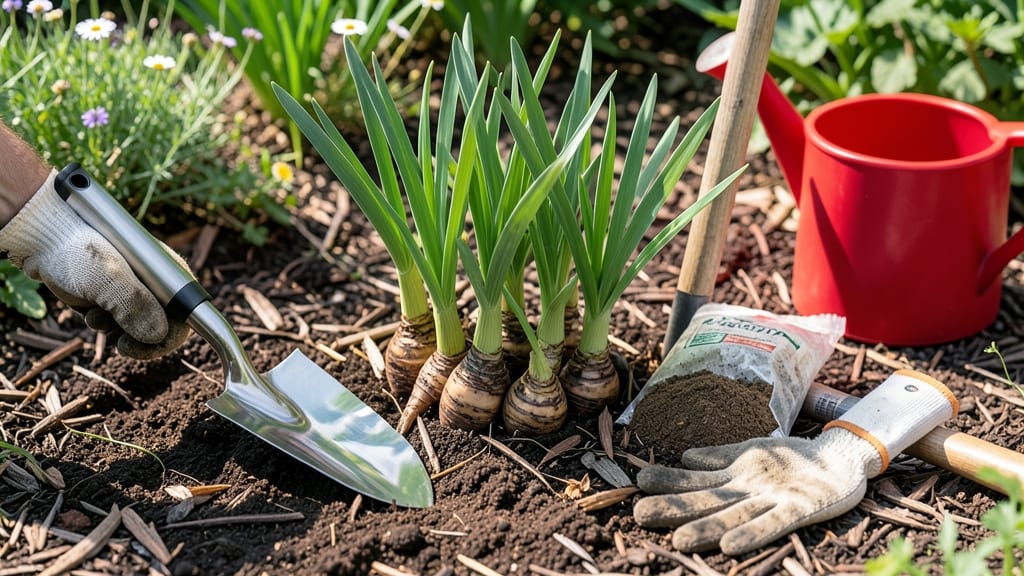
Timing your iris bulb planting just right in spring can mean the difference between vibrant summer blooms and a disappointing wait—here’s the exact science behind getting it perfect for your hardiness zone.
If you’ve ever watched those 🌸 iris blooms pop up with effortless beauty, you know the magic starts months earlier. In Zone 6a, where I garden, planting too early risks frost damage, while waiting too long cuts short the growing season.
The ideal window? Early spring, when soil warms to 50°F—typically March to April—but timing shifts if you’re in warmer or colder regions.
What most gardeners miss is that iris rhizomes (those thick, fleshy roots) need consistent warmth to sprout, not just thawed soil.
I’ll show you how to read your local frost dates and soil cues to nail the perfect moment—plus, how to avoid the 3 biggest planting mistakes that kill iris growth before it starts.
Once you’ve got the timing down, we’ll explore how to stretch your iris season by planting in staggered rounds, ensuring continuous blooms from late spring through early summer. Let’s turn your garden into a nonstop show of 🌸 purple, yellow, and white magic.
Best spring planting months for iris bulbs by USDA hardiness zone
Planting iris bulbs—or rhizomes, as they’re technically called—at the right time in spring ensures they establish roots before summer heat arrives. The optimal window varies by USDA hardiness zone, but most gardeners aim for 4-6 weeks before the last frost in their region.
For example, in Zone 5, this means late April, while Zone 9 gardeners can plant as early as February.
Iris rhizomes thrive when soil temperatures reach 55°F (13°C)—a key threshold to avoid rotting. In colder zones, planting too early risks frost damage or stunted growth, while late planting may delay blooms until next year.
The goal is to balance warm soil with cool air to encourage root development without stressing the plant.
Here’s a quick guide to align your planting with your zone’s frost-free timeline:
In warmer zones (7-10), early planting in January or February gives rhizomes time to root before the peak growing season. Meanwhile, cooler zones (3-6) benefit from waiting until soil warms in April or May to avoid rot from cold, wet soil.
Pro tip: Use a soil thermometer to confirm temperatures before planting—this small tool saves hours of guesswork!
If you’re in a transition zone (e.g., Zone 6b), consider splitting your planting into two batches: plant half in early April and the rest in mid-May. This staggered approach extends your bloom season and reduces risks from unpredictable late frosts.
Just ensure the second batch goes in when soil is consistently above 50°F (10°C).
Another critical factor is moon phases, which some gardeners swear by for stronger root growth. Planting iris rhizomes during the waxing moon (when the moon is growing brighter) is said to encourage root development.
While science doesn’t back this up, it’s a fun tradition worth trying if you’re superstitious about gardening!
For container gardening, timing shifts slightly. Since pots warm up faster than ground soil, you can plant iris rhizomes 2-3 weeks earlier than in-ground. Just ensure the container has drainage holes to prevent waterlogging, which iris rhizomes hate.
A well-draining mix of potting soil and perlite works best for potted irises.
Finally, avoid the temptation to plant iris rhizomes in fall unless you live in Zone 9 or warmer. In colder climates, fall-planted rhizomes may not survive winter’s freeze-thaw cycles. Stick to spring planting for reliable blooms in your garden.
With the right timing, your iris rhizomes will reward you with bold, vibrant blooms that last for weeks—proof that a little patience in spring pays off big time in summer! 🌸
Best spring planting months for iris bulbs by USDA hardiness zone
Planting iris bulbs—or more accurately, their rhizomes—at the right time in spring ensures they establish roots before summer heat arrives. The USDA hardiness zone dictates your ideal window, but soil temperature and last frost dates are equally critical.
In zones 3-5, aim for early spring when soil reaches 50°F (10°C), while zones 6-9 can wait until late March or early April. Missing this window risks stunted growth or delayed blooms.
For example, gardeners in zone 4 should plant by mid-April to avoid late frosts, while those in zone 8 can extend planting until May. Always check your local last frost date—planting too early in cold soil can rot rhizomes.
Use a soil thermometer to confirm readiness; aim for 60°F (15°C) at 4 inches deep for optimal root development.
| USDA Zone | Ideal Planting Window | Soil Temp Requirement | Key Tip |
|---|---|---|---|
| 3-4 | Late April–Mid-May | 50–55°F (10–13°C) | Wait for all frost risk to pass |
| 5-6 | Early April–Early May | 55–60°F (13–15°C) | Plant after daffodils bloom |
| 7-8 | March–April | 60–65°F (15–18°C) | Avoid summer heat stress |
| 9-10 | February–March | 55–60°F (13–15°C) | Plant early to beat heat |
Regional microclimates can shift these windows by 2-4 weeks. Coastal areas stay cooler longer, while inland zones may warm faster. For example, Pacific Northwest gardeners (zone 7-8) might plant in March, while Southern California (zone 10) can start as early as February.
Monitor local weather forecasts for unexpected late frosts, which can damage emerging shoots.
Pro tip: Stagger your planting by 3-4 weeks if you want continuous blooms. Plant a third of your rhizomes in early spring, another third in mid-spring, and the final batch in late spring.
This ensures flowers appear in successive waves from early to late summer. Just ensure all planting occurs before June 1 to avoid summer dormancy.
After planting, mulch with 2-3 inches of organic matter (like straw or shredded leaves) to retain moisture and regulate soil temperature. Avoid heavy mulch, which can smother rhizomes.
Water deeply once a week, keeping soil evenly moist but not soggy. Within 4-6 weeks, you’ll see fan-shaped leaves emerge—a sure sign your rhizomes are thriving.
If you miss the spring window, don’t panic. Iris rhizomes are perennial and can be planted in early fall (September-October) for next spring’s blooms. However, spring planting yields larger, more robust plants with stronger root systems.
With the right timing, your irises will reward you with bold, show-stopping blooms from May through July. 🌸