
Plants
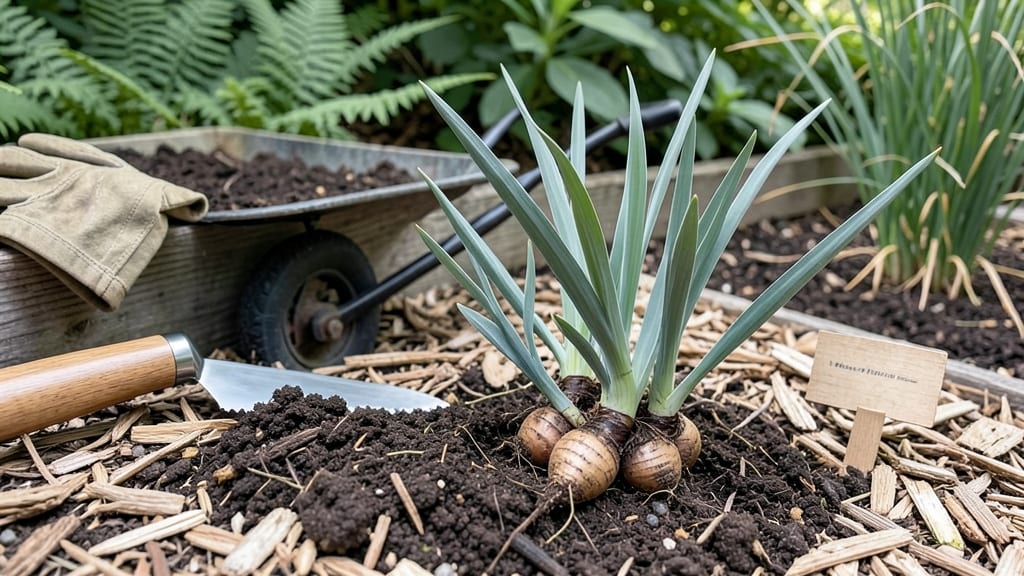
If you’ve ever dreamed of a garden bursting with vibrant purple, yellow, or blue 🌸 blooms, the first step is knowing when to plant iris bulbs in Washington—especially in a climate that can be as unpredictable as it is beautiful.
Planting at the wrong time can mean missed blooms or struggling rhizomes, but get it right, and you’ll enjoy years of effortless color—no green thumb required.
Washington’s diverse zones—from coastal rain to dry inland areas—mean there’s no one-size-fits-all answer. The perfect window—late summer to early fall (August through October)—lets iris rhizomes establish roots before winter’s chill sets in.
Whether you’re in Zone 6b’s cooler valleys or Zone 8a’s milder lowlands, the key is beating the first frost while avoiding soggy soil.
I’ll break down exactly when to plant in your specific corner of Washington, plus how to prep soil for drainage that irises crave—because even the hardiest plants rebel against waterlogged roots.
Skip the guesswork and start with the ideal timing—so you’re not left wondering why your irises flopped next spring.
Ready to turn your garden into a showstopper? Let’s dive into the best months, soil tricks, and regional tweaks—so your irises thrive from the get-go.
Best months to plant iris bulbs in Washington by climate Zone
Washington’s USDA Zones 6b-8a create unique challenges for iris bulb planting, but understanding your local microclimate is key to success. Coastal areas like Olympia and Seattle stay cooler and wetter longer, while inland zones like Spokane and Wenatchee dry out faster.
The ideal planting window shifts based on these factors—typically late summer to early fall—but exact timing depends on where you live.
Iris rhizomes (not true bulbs) thrive when planted after their foliage dies back in summer, allowing them to establish roots before winter. In Western WA’s cooler zones (6b-7a), aim for August to early September to avoid early frosts.
Meanwhile, Eastern WA’s warmer inland zones (7b-8a) can handle planting until mid-October, giving rhizomes more time to root before the first frost.
Soil temperature is your best guide: plant when soil temps drop below 70°F but stay above 50°F for 6+ weeks. This ensures roots establish before winter dormancy. In Puget Sound areas, this usually aligns with late August, while Palouse or Columbia Basin gardeners can wait until September.
| Climate Zone | Best Planting Window | Soil Temp Threshold | Key Consideration |
|---|---|---|---|
| Western WA (6b-7a) | Late August - Early September | 50°F - 70°F | Cooler, wetter soils; risk of early frost |
| Puget Sound (7a) | August 20 - September 10 | 55°F - 68°F | Moderate rainfall; test soil moisture |
| Eastern WA (7b-8a) | September 1 - October 15 | 50°F - 75°F | Drier soils; longer growing season |
| Mountain Regions (6b) | August 1 - August 20 | 45°F - 65°F | Higher elevation; shorter season |
For coastal gardeners in Western WA, prioritize planting by mid-September to avoid winter rains saturating the soil. In these areas, poor drainage is a major risk—amend heavy clay soils with sand or grit to prevent rhizome rot.
Meanwhile, Eastern WA gardeners can push planting to October, but monitor frost dates closely, as Spokane’s first frost often arrives by October 15.
Pro tip: Divide existing iris clumps in late summer (July-August) before planting new rhizomes. This ensures you’re working with healthy, disease-free stock and gives divided rhizomes time to root before winter.
In Zone 8a areas like Walla Walla, you might even squeeze in a fall planting until November, but only if soil temps stay above 45°F.
Timing isn’t just about months—it’s about local weather patterns. Check your last average frost date (e.g., October 15 in Zone 6b, November 15 in Zone 8a) and plant 6-8 weeks before that date.
This gives rhizomes time to establish roots 3-4 inches deep before winter dormancy sets in.
If you miss the ideal window, don’t despair! Spring planting is possible in Zone 8a, but it requires extra care. Plant in March-April and mulch heavily to protect rhizomes from late frosts.
However, spring-planted irises often bloom 1-2 years later than fall-planted ones, so timing still matters for impatient gardeners!
For container gardening in Washington, adjust timing slightly: plant in late August and move pots to a protected location if frost threatens. Containers dry out faster, so water consistently and use well-draining potting mix with perlite or sand to mimic ideal soil conditions.
Remember, iris rhizomes are not true bulbs—they’re thick, fleshy roots that store nutrients. Plant them with the <
How to prepare iris bulbs for Washington’s unique growing conditions
Washington’s variable rainfall and cool coastal climates demand extra prep work before planting iris rhizomes. Unlike true bulbs, iris rhizomes store energy in their thick roots, so proper handling ensures strong blooms next spring.
Start by selecting healthy rhizomes with firm, plump roots and no soft spots—a sign of rot from improper storage.
Iris rhizomes need a 6-8 week chilling period to mimic winter dormancy. Store them in a cool, dark place (like a garage or fridge) at 40-50°F before planting.
This step is critical in warmer inland zones (like Yakima) where soil stays too warm in early fall. Skip this for coastal areas with naturally cooler soils.
🌱 Step-by-Step Iris Rhizome Prep for Washington
- Soak rhizomes in 10% hydrogen peroxide for 20 minutes to prevent fungal diseases common in WA’s damp soils.
- Trim dry, brown roots with sterilized scissors but leave healthy roots intact—they’re the plant’s energy source.
- For clay-heavy soils (common in Eastern WA), mix in sand or perlite to improve drainage—irises hate soggy roots.
- Soak bare-root rhizomes in water for 1 hour before planting to rehydrate them if they’ve dried out.
- Test soil pH (6.0-7.0 ideal)—use lime to raise pH in acidic coastal soils or sulfur for alkaline inland areas.
Washington’s acidic soils (especially in the Olympic Peninsula) can stunt iris growth. Amend planting holes with composted manure or bone meal for phosphorus, which encourages robust root systems.
In dry inland areas (like Spokane), add 2 inches of mulch after planting to retain moisture during WA’s low winter rainfall.
Timing your soil prep matters too. In Western WA, work the soil in late August when summer rains have softened the ground. In Eastern WA, wait until mid-September to avoid early frost.
Always plant rhizomes with the top half exposed—this prevents rot in WA’s wet winters. Use a slightly raised bed in flat areas to improve drainage.
One Washington-specific tip: Plant in containers if your yard floods in winter. Use pots with drainage holes and plant rhizomes horizontally (not vertically) to mimic natural growing conditions. This works especially well for Puget Sound gardens where winter waterlogging is common. Move containers to a sheltered spot during heavy rains.
Finally, mark your planting spots with biodegradable flags—Washington’s mild winters can make it hard to relocate plants after snowfall. This simple step saves you from digging up established rhizomes come spring. With the right prep, your irises will thrive despite WA’s unpredictable weather patterns.