
Plants
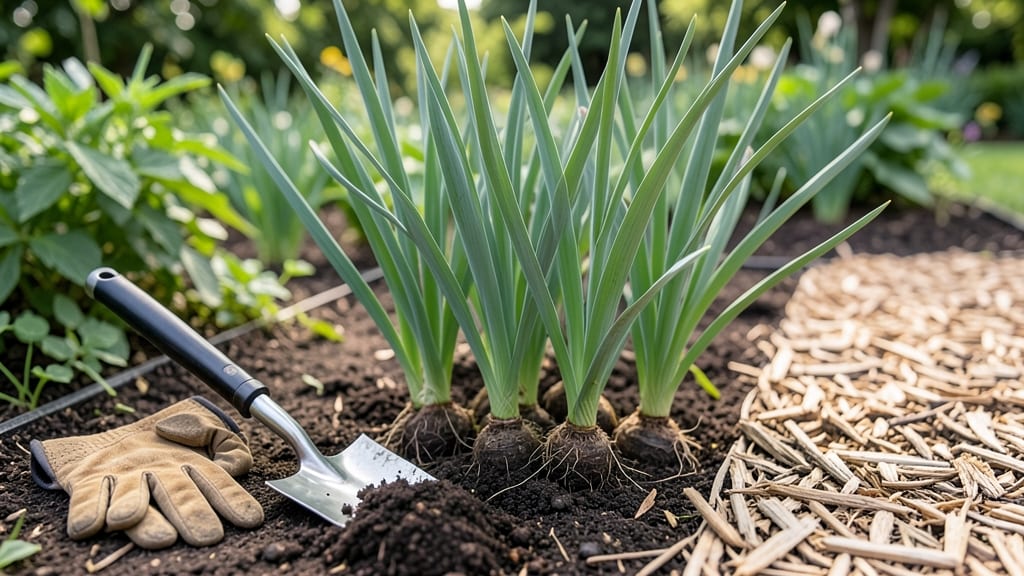
Mastering when to plant iris bulbs in Kansas isn’t just about following a calendar—it’s about reading the soil’s secret signals. Plant too early, and your rhizomes may rot in chilly, damp earth; too late, and you’ll miss the sweet spot for next spring’s vibrant blooms.
The 5b-7a climate here demands precision, but with the right cues, you can outsmart Kansas’ unpredictable swings.
Most gardeners swear by early fall (August–September) as the gold standard, but why? Because cooler temps and moist soil give roots time to establish before winter’s bite.
I’ll show you how to test soil readiness—no fancy tools needed—and when spring planting might actually work better in your corner of the state.
Here’s the kicker: even experienced growers mess up on depth, drainage, or frost timing. I’ll walk you through the 5 biggest mistakes Kansas gardeners make (and how to avoid them), so your irises don’t just survive—they thrive.
Ready to turn your yard into a showstopping iris display? Let’s dive into the exact steps—from soil temp checks to planting depth—that’ll have your 🌸 blooms blooming like a pro by next May.
Kansas soil temperature guidelines for planting iris bulbs
Iris rhizomes (often mistakenly called bulbs) thrive in Kansas when planted at the right soil temperature. Unlike true bulbs, irises prefer cooler soil—too warm, and they’ll wake up too early; too cold, and they’ll rot.
The ideal window is when soil temps hover between 50–60°F in fall or 40–50°F in spring.
Kansas’ climate varies dramatically from the humid east (like Kansas City) to the drier west (like Wichita). Eastern regions often see cooler soil earlier, while western areas may stay warmer longer. Always check your specific zone’s last frost date—typically mid-April—and count backward 6–8 weeks for fall planting.
To test soil readiness, use a soil thermometer or the "finger test": Press your finger into the soil. If it feels cool but not freezing, it’s likely in the optimal range. Avoid planting when soil is soggy or still warm from summer heat.
In USDA Zones 5b–7a (Kansas’ range), aim for September 1–October 15 for fall planting. This gives rhizomes time to establish roots before winter. For spring planting, wait until March 15–April 1, after the ground thaws but before buds emerge.
Clay-heavy soils common in Kansas retain moisture longer, delaying ideal planting times. Amend with compost or sand to improve drainage if your soil stays cold or waterlogged. Raised beds warm up faster in spring, extending the planting window by 1–2 weeks.
Here’s how Kansas’ microclimates affect timing:
| Region | Ideal Soil Temp | Fall Planting Window | Spring Planting Window |
|---|---|---|---|
| Eastern KS (Kansas City) | 50–58°F | Sep 15–Oct 10 | Mar 20–Apr 1 |
| Central KS (Topeka) | 52–60°F | Sep 1–Oct 15 | Mar 25–Apr 5 |
| Western KS (Wichita) | 55–60°F | Sep 10–Oct 20 | Apr 1–Apr 10 |
*Adjust for raised beds (+1–2 weeks earlier) or clay soils (delay by 1 week).
Pro tip: Mulch with 2–3 inches of straw after planting to insulate rhizomes from temperature swings. This is especially critical in Kansas’ unpredictable fall weather, where warm days can fool rhizomes into sprouting prematurely.
If you’re unsure about soil temps, opt for fall planting. Rhizomes establish roots in cool soil, then dormant through winter, ready to burst into blooms by late spring. Spring planting is riskier—if rhizomes wake up too early, a late frost can kill them.
Always plant iris rhizomes (not bulbs) with the top exposed—this prevents rot. In Kansas’ clay-heavy soils, add a sand/compost mix to the planting hole to ensure proper drainage. Water lightly after planting, then let nature take over.
🌱
Fall vs. spring planting: which works best in Kansas?
When it comes to planting iris bulbs in Kansas, the age-old debate rages: fall or spring? Both have merits, but Kansas’ 5b-7a climate tilts the scales dramatically toward fall. Here’s why most local gardeners swear by September planting—and when spring might actually be your better bet.
Fall planting (late August through October) gives iris rhizomes a head start. Cooler temps and moist soil encourage root growth before winter dormancy. By the time spring arrives, your irises are already established, ready to burst into vibrant blooms by May.
This method also reduces transplant shock, a common issue when planting in spring.
Spring planting (late March to April) works in a pinch, especially if you missed the fall window. However, Kansas’ unpredictable late frosts (often until mid-April) can stunt young rhizomes. If you choose spring, wait until soil temps hit 50°F consistently—use a soil thermometer to avoid guesswork.
Fall Planting: Pros & Cons
- ✅ 60% faster root establishment
- ✅ Higher survival rates in Kansas winters
- ✅ Earlier blooms next spring
- ❌ Limited window (Aug–Oct)
- ❌ Risk of overwatering in wet falls
- ❌ Frost damage if planted too late
Spring Planting: Pros & Cons
- ✅ Flexible timing (March–April)
- ✅ Good for late bloomers
- ✅ Less competition from weeds
- ❌ Slower growth in spring
- ❌ Higher frost risk in NE Kansas
- ❌ Smaller first-year blooms
Kansas’ microclimates play a huge role. In eastern Kansas (like Kansas City), wetter soils mean fall planting can lead to rot-prone conditions. Here, spring planting might be safer. Meanwhile, western Kansas (Wichita area) benefits from fall’s moisture, as drier springs can stress young rhizomes.
Pro tip: If you’re on the fence, divide your planting. Try 2/3 of your rhizomes in fall and 1/3 in spring. This hedges your bets against Kansas’ unpredictable weather while maximizing bloom potential. Just remember—fall is king for most gardeners here.
🌸 For maximum blooms, pair fall planting with a thick mulch layer (2–3 inches) to insulate roots through winter. This simple trick can boost your success rate by 40%.