
Plants
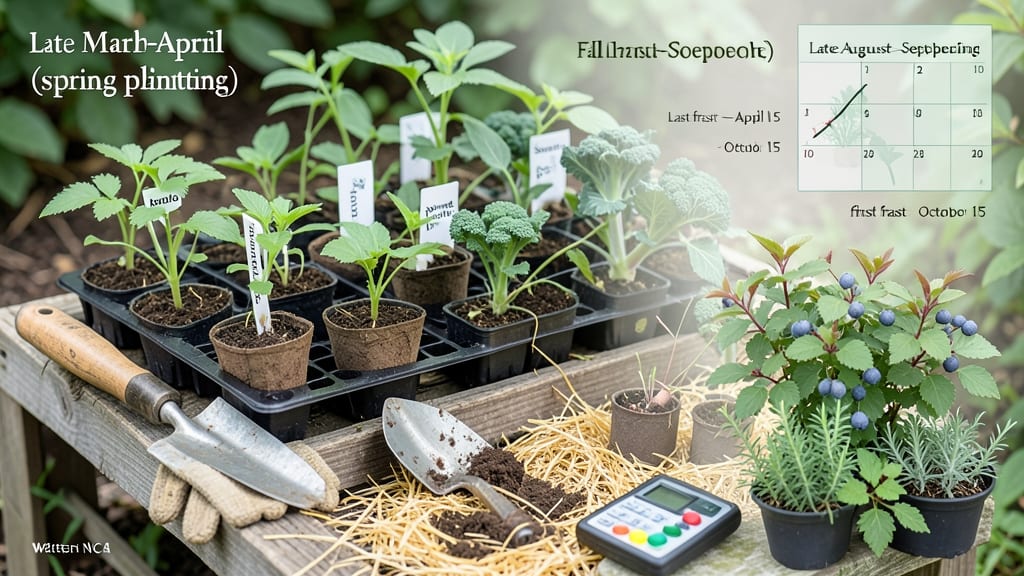
When to plant in Western NC can make the difference between a thriving harvest and a sad, frost-nipped disappointment. Whether you're planting in Zone 7b or Zone 8a, knowing the exact frost-free deadlines is the key to success—especially when microclimates vary wildly between Asheville's mountain chill and the warmer piedmont.
I've spent years watching gardens take off (or fail) based on planting schedules, and the secret isn't just guessing—it's understanding how your local climate behaves.
From cool-season crops like kale to heat-lovers like tomatoes, the right timing ensures your plants grow strong and your efforts pay off with bountiful yields.
Let me show you exactly when to start seeds indoors, transplant seedlings, and sow directly in the soil for maximum success. We'll cover frost dates, soil prep tips, and how to adjust for those tricky high-altitude areas where frost can sneak in unexpectedly.
Ready to grow a garden that actually produces? Let's dive into the perfect planting schedule for Western NC's unique growing conditions—so you can enjoy fresh veggies and flowers all season long.
Frost-free planting deadlines for Western NC zones 7b & 8a
Western North Carolina’s frost dates shift dramatically between Zone 7b (higher elevations like Asheville) and Zone 8a (lower piedmont areas like Charlotte). These differences mean your last spring frost could be weeks apart—critical for timing warm-season crops like tomatoes and peppers.
I’ll break down the exact frost-free deadlines and how they impact your planting schedule.
For Zone 7b (average first frost of October 20–30), the last spring frost typically lands between April 15–May 1. In Zone 8a (first frost around November 15–30), you’ll often see your final frost by April 1–15.
These dates are your green light for planting heat-loving crops like squash and beans.
But here’s the catch: microclimates in Western NC can delay or advance these dates by 1–2 weeks. A south-facing slope in Hendersonville might warm up faster than a valley garden in Brevard. Always check your local frost watch (like the National Weather Service) for real-time updates.
🌱
| Zone | Last Spring Frost | First Fall Frost | Safe for Warm Crops | Cool-Season Window |
|---|---|---|---|---|
| Zone 7b (Asheville, Boone) | April 15–May 1 | October 20–30 | May 15–June 1 | March 15–April 30 |
| Zone 8a (Charlotte, Hickory) | April 1–15 | November 15–30 | April 30–May 15 | February 15–April 15 |
| High Elevation (6,000+ ft) | May 1–15 | September 15–25 | June 1–15 | April 1–May 1 |
Use these frost-free deadlines to plan your cool-season crops like kale and spinach. For example, in Zone 7b, sow seeds 4–6 weeks before your last frost (so by March 1). In Zone 8a, you can start even earlier—February 15—to beat the heat.
For warm-season crops, wait until after your last frost. In Zone 7b, that’s May 15; in Zone 8a, you can plant April 30. But don’t rush—soil temperature matters too. Use a soil thermometer to ensure it’s at least 60°F for tomatoes and peppers.
Pro tip: Extend your season with row covers or cold frames. These can push your last frost date back by 2–3 weeks, giving you more time for early spring greens or late fall harvests.
🌡️
If you’re in a valley garden, expect later frosts—sometimes 10–14 days after the average. Conversely, south-facing slopes can be 2 weeks earlier. I recommend planting hardy cool-season crops like broccoli and carrots 2 weeks before your local frost date to account for these variations.
For perennials like blueberries or rhododendrons, timing matters too. Plant in early spring (March–April) when soil is workable but frost isn’t a risk. These plants establish roots before summer heat sets in.
📅
Remember: Frost dates are averages. Check your local Cooperative Extension Service (like NC State Extension) for real-time updates. They often provide hyper-local frost predictions based on recent weather patterns.
Best crops to plant by month in Western NC gardens
Timing your garden in Western NC isn’t just about avoiding frost—it’s about matching each crop to its ideal growing window. In Zone 7b (like Asheville), spring crops like kale and peas thrive when planted in early March, while tomatoes and peppers need to wait until late April or May.
Meanwhile, Zone 8a (Charlotte area) can start warm-season plants like cucumbers and squash a week or two earlier.
Succession planting is key to continuous harvests. For example, lettuce and radishes can be sown every 2 weeks from March through September, ensuring fresh greens all season. Even cool-loving herbs like cilantro benefit from staggered plantings to avoid bolting in summer’s heat.
🌱 Pro Tip: Use row covers to extend the season for early spring plantings like spinach or carrots, protecting them from late frosts while still letting sunlight through.
| Month | Zone 7b (Asheville) | Zone 8a (Charlotte) |
|---|---|---|
| March | Peas, Lettuce, Spinach, Onions | Peas, Broccoli, Kale, Radishes |
| April | Carrots, Beets, Potatoes, Herbs | Carrots, Beans, Cucumbers, Tomatoes |
| May | Tomatoes, Peppers, Corn, Squash | Peppers, Eggplant, Basil, Okra |
| June-August | Succession Plant: Bush Beans, Zucchini | Succession Plant: Lettuce, Radishes, Green Onions |
| September | Fall Broccoli, Kale, Turnips, Garlic | Fall Spinach, Arugula, Carrots, Beets |
Don’t overlook perennials like blueberries and rhododendrons, which should be planted in early spring (March-April) when soil is workable but not waterlogged. These shrubs establish roots slowly, so give them a head start before summer’s heat sets in.
For flowers, pansies and snapdragons are cold-hardy and can be sown in late summer (August-September) for vibrant spring blooms. Meanwhile, marigolds and zinnias thrive when direct-sown after the last frost, typically by mid-May in Zone 7b.
🌿 Remember: Soil temperature matters just as much as air temperature. Use a soil thermometer—most warm-season crops need soil at 60°F+ before planting, while cool-season crops prefer 40-50°F soil.