
Plants
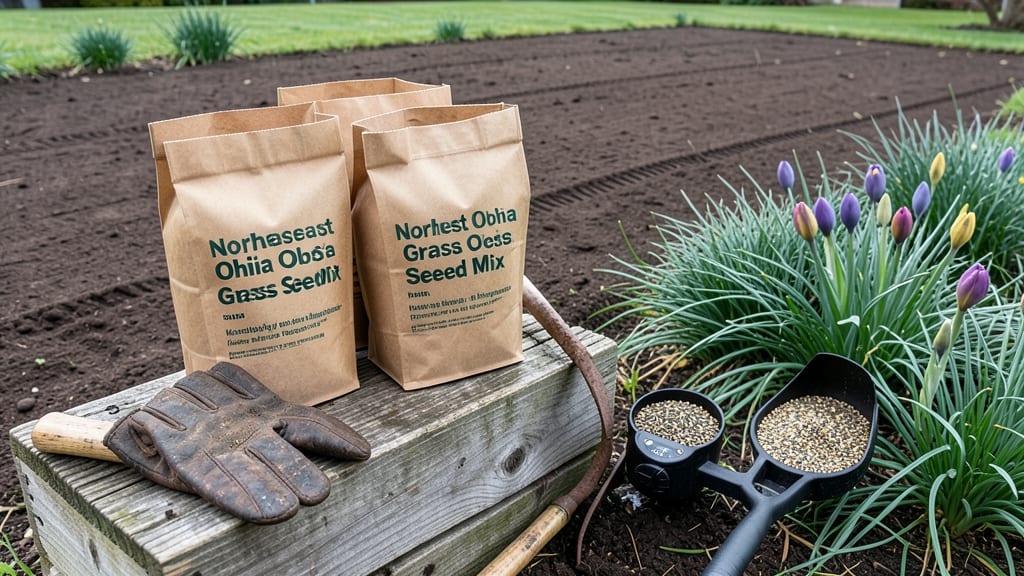
Timing your Grass (Turfgrass) 🌱 planting in Northeast Ohio isn’t just about throwing seeds in the ground—it’s about giving them the perfect shot to root deep before winter or summer’s heat. Miss the window, and you’ll end up battling patchy lawns for years, not to mention wasted money and effort.
Here’s the deal: USDA Zone 6a gives you two prime opportunities—early spring (April) or early fall (September)—when soil temps and moisture align just right. But get it wrong, and even the hardiest grass varieties like Kentucky Bluegrass or Fescue will struggle to take hold.
Let’s break down exactly when to plant for a lawn that looks like it belongs on a postcard, not a “what went wrong?” Pinterest board.
You’ll discover how to read your local frost dates (yes, they matter more than you think), why September planting often beats spring, and how to prep your soil like a pro.
Spoiler: It’s not just about digging—it’s about creating the ideal conditions for grass to thrive before the first hard freeze hits.
Whether you’re starting from scratch or reviving a tired lawn, these zone-specific deadlines will help you avoid the most common mistakes—like planting too late in fall or too early in spring. Ready to turn your patchy yard into the envy of the neighborhood? Let’s get started.
Best planting windows for Northeast Ohio grass by USDA zone (5b-6a)
Northeast Ohio’s USDA Zones 5b-6a demand precise timing for grass planting—too early, and seeds rot in cold soil; too late, and roots struggle before winter. Cool-season grasses (like Kentucky bluegrass and tall fescue) dominate here, thriving in spring and fall when soil temps hover between 55°F–75°F.
Warm-season grasses (e.g., Bermuda) are rare but need 65°F+ soil for germination.
Your last frost date in Northeast Ohio typically lands around April 15, while the first frost arrives by October 15. These deadlines frame your two best planting windows: early spring (March–April) and early fall (September–October).
Spring planting gives grass 6–8 weeks to establish roots before summer heat, while fall planting avoids drought stress and provides 6–8 weeks of growth before winter dormancy.
For new lawns, aim to plant 4–6 weeks before the last frost (mid-March) or 6–8 weeks before the first frost (early September). Overseeding existing lawns can stretch these windows slightly—try late August–early October for fall or late March–early May for spring. Soil temperature is your best guide: use a soil thermometer to confirm it’s at least 55°F for cool-season grasses or 65°F+ for warm-season varieties.
Here’s how Northeast Ohio’s microclimates shift your timing:
- Cleveland/Akron: Urban heat islands may push last frost to April 20—plant late March for safety.
- Youngstown/Canton: Cooler high-altitude areas might see frost until May 1—delay spring planting to mid-April.
- Shaded yards: Wait until soil warms to 60°F (often late April) to avoid fungal issues.
Pro tip: Test your soil’s pH (6.0–7.0 ideal) and nitrogen levels before planting. Northeast Ohio’s clay-heavy soil benefits from compost or peat moss to improve drainage. Spread 1/2 inch of compost over the area and till it into the top 4–6 inches of soil for optimal seed-to-soil contact.
If you’re planting barely seeds, rake the soil to a fine, crumbly texture—no clumps larger than a quarter.
For sod, lay pieces in a staggered pattern and water immediately to activate roots. Water deeply (1 inch) daily for the first 2 weeks, then taper to 3x weekly as roots establish. Avoid walking on new grass until it reaches 3–4 inches tall.
For high-traffic areas (like backyards or sports fields), choose tall fescue blends—they tolerate foot
How to prepare your lawn for fall vs. spring planting in Ohio
Preparing your lawn for grass planting in Northeast Ohio depends entirely on whether you’re seeding in early fall or spring. Each season demands different soil conditions, seed types, and care routines to ensure your grass thrives. Let’s break down the essential steps for both timelines to maximize your success.
For fall planting (ideal in September), focus on soil aeration and cool-season grass seeds like tall fescue or Kentucky bluegrass. These varieties establish roots before winter, giving you a head start in spring. Spring planting, however, requires soil warming and weed control to prevent competition with emerging grass.
Here’s how I prepare my lawn for each season—step by step—to ensure the best possible conditions for seed germination and root growth.
🌱 Fall Planting Prep (September)
- Test soil pH (aim for 6.0–7.0): Use a soil test kit from your local garden center. Northeast Ohio soils often need lime to raise pH.
- Aerate compacted soil 4–6 weeks before planting: Rent a core aerator to create 1/2-inch holes every 3–4 inches. This helps seeds make contact with soil.
- Choose cool-season seeds: Opt for tall fescue or fine fescue blends, which handle Ohio’s cold winters better than warm-season grasses.
- Spread seed evenly with a broadcast spreader: Use 4–6 lbs per 1,000 sqft for new lawns. Lightly rake seeds into soil to ensure seed-to-soil contact.
- Mulch with straw (not wood chips): Apply a 1/4-inch layer to retain moisture and block weeds. Water lightly to settle seeds.
For spring planting (aim for April), the process shifts slightly. You’ll need to warm the soil faster and control weeds aggressively. Start by removing snow cover early to let soil thaw, then till or aerate to break up winter compaction.
Use pre-emergent herbicide in late winter to stop crabgrass before it sprouts.
After preparing the soil, choose fast-germinating seeds like ryegrass for quick coverage. Water deeply twice daily for the first week to keep seeds moist until germination. Avoid walking on the lawn until the grass reaches 3 inches tall to prevent seed displacement.
One critical mistake I see often? Skipping soil prep in favor of speed. Rushing leads to poor seed contact, uneven germination, and weak roots. Take the time to test, aerate, and mulch—your lawn will thank you with dense, vibrant grass next season.