
Plants
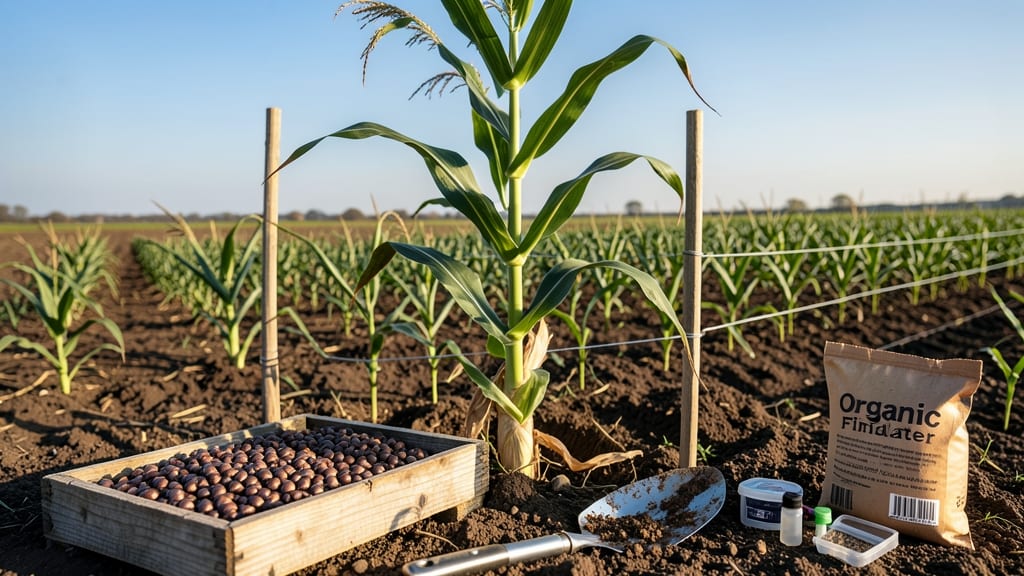
Timing your field corn 🌽 planting in North Carolina can make or break your harvest—get it right, and you’ll enjoy plump ears by summer, but miss the window, and you might end up with stunted plants or lost yields.
With our 7a-8b zones and unpredictable spring weather, knowing exactly when to plant is the key to success. I’ll break down the ideal planting dates, soil temperature thresholds, and how to adjust for early or late varieties to avoid common mistakes.
North Carolina’s humid summers and occasional late frosts mean you can’t just follow a generic calendar. Whether you’re in the mountains or coastal plains, these zone-specific tips will help you maximize your corn’s potential from seed to harvest.
Ready to grow the best field corn in your backyard? Let’s dive into the exact planting schedule and pro tips that work for NC’s climate.
North Carolina field corn planting dates by hardiness zone (exact schedule)
North Carolina spans USDA hardiness zones 7a through 8b, and each zone has slightly different planting windows for field corn. The key is planting when soil temperatures hit 60°F and at least 2 weeks after your last frost date.
In zone 7a (western NC mountains), you’ll plant earlier than in zone 8b (coastal areas).
For zone 7a (elevations 1,500+ ft), aim for April 15–May 1 to avoid early frost risks. In zone 7b (Piedmont region), stretch your window to April 1–May 15.
Coastal areas in zone 8a/b can start as early as March 20–April 30, but wait for stable 60°F soil temps.
Your maturity group matters too—choose 100–110 day varieties for zone 7a and 90–100 day varieties for zone 8b. Late varieties (120+ days) risk frost damage before harvest in cooler zones.
🌽 PRO TIP: Use a soil thermometer to confirm 60°F+ before planting—cold soil delays germination and weakens seedlings.
| Zone | Planting Window | Soil Temp Threshold | Maturity Group | Last Frost Risk |
|---|---|---|---|---|
| 7a (Mountains) | April 15–May 1 | 60°F+ | 100–110 days | High (May 15) |
| 7b (Piedmont) | April 1–May 15 | 60°F+ | 90–105 days | Moderate (April 30) |
| 8a/b (Coastal) | March 20–April 30 | 60°F+ | 85–95 days | Low (April 15) |
Check your local frost dates via the NC State Climate Office or Almanac’s Frost Calculator. For example, Asheville (zone 7a) averages its last frost on April 10, while Raleigh (zone 7b) sees it on March 25.
If you’re in zone 8b (e.g., Wilmington), you can even try late summer plantings (July 1) for a fall harvest, but use fast-maturing varieties (80–85 days) to beat the first frost in November.
⚠️ WARNING: Planting too early in cold soil (50°F or below) causes seed rot and poor germination. Use black plastic mulch to warm soil faster if needed.
For maximum yield, space seeds 1 inch deep and 4–6 inches apart, then thin to 12–18 inches between plants when seedlings are 4 inches tall. This prevents overcrowding and corn earworm infestations.
After planting, monitor soil moisture—field corn needs 1–2 inches of water weekly, especially during tasseling (60 days after planting). Use a drip irrigation system to avoid fungal diseases from overhead watering.
How to adjust planting dates for early vs late varieties in NC
North Carolina’s diverse climate means your field corn variety can make or break your harvest. Early-maturing varieties need 60-75 days to reach maturity, while late varieties take 90-120 days. Planting the wrong type at the wrong time can leave you with underdeveloped ears or frost-damaged stalks.
For early varieties, aim to plant between mid-March and early April in Zone 8b (e.g., southeastern NC). This gives them time to mature before summer heat stress sets in. In Zone 7a (mountain regions), wait until late April to avoid late spring frosts.
Late varieties thrive when planted mid-April through May 15. These varieties need longer growing seasons to develop properly, so they’re best for cooler inland areas like the Piedmont. In Zone 8a, you can push planting to early June for a fall harvest.
🌽 Key Takeaway: Planting Windows by Variety
| Variety Type | Planting Window | Best For | Days to Maturity |
|---|---|---|---|
| Early | Mid-March to Early April | Zone 8b (coastal) | 60-75 days |
| Mid-Season | Late April to Early May | Zones 7a-8a | 80-95 days |
| Late | Mid-April to Early June | Zone 7a (mountains) | 90-120 days |
Use USDA’s Plant Hardiness Zone Map to pinpoint your exact location. For example, Asheville (Zone 7a) has a shorter growing season than Wilmington (Zone 8b), so late varieties won’t work there. Check local NC State Extension resources for last-frost averages in your county.
Pro tip: Plant a successive crop every 2 weeks to stagger harvests. This spreads out your workload and ensures a steady supply of fresh ears. For example, plant early varieties in March, mid-season in April, and late varieties in May.
Watch for heat stress in July and August. Late varieties planted too early may bolt prematurely or produce small, underdeveloped ears. If temperatures exceed 90°F for weeks, consider shade cloth or drip irrigation to protect young plants.
Don’t forget to account for NC’s unpredictable spring weather. A late frost in May can wipe out young seedlings, so have a backup planting plan or use frost cloth for early plantings. Timing isn’t just about dates—it’s about reading your microclimate.