
Companion Plants
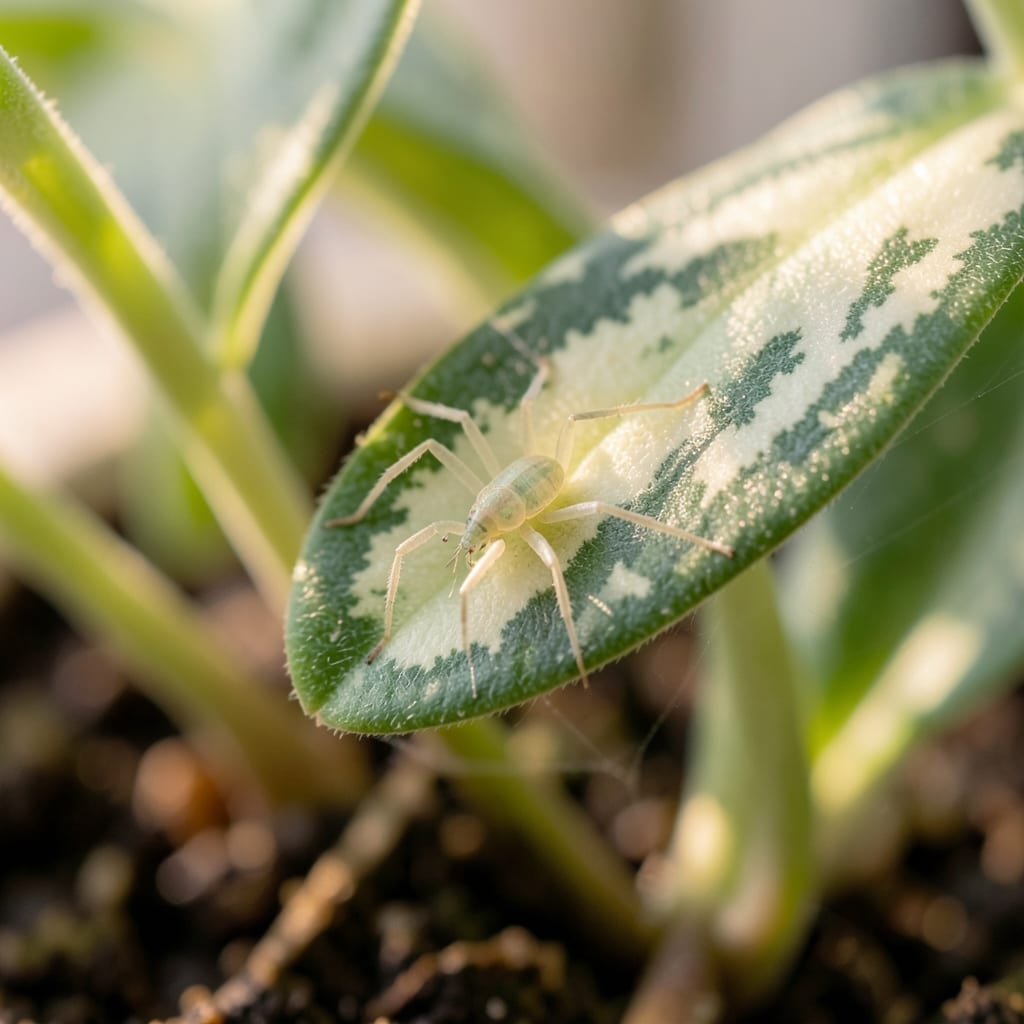
The health of your Spider Plant 🌿 depends almost entirely on how much light should a spider plant get—because getting it right is the secret to those lush, striped leaves. Too little, and you’ll end up with weak, stretched-out leaves. Too much, and those beautiful variegated stripes will fade or burn. So how much light does this resilient houseplant really need to thrive?
Most gardeners assume Spider Plants are low-maintenance light hogs, but the truth is more nuanced. These plants actually prefer bright indirect light—think of it as a gentle morning sunbath rather than harsh afternoon rays. That means placing them near an east-facing window or a few feet back from a south-facing one can make all the difference.
What you’ll discover here are the exact light conditions your Spider Plant craves, plus how to spot when it’s not getting enough (or too much). We’ll cover everything from window placement tricks to artificial lighting solutions for darker spaces, so you can keep your plant lush and happy year-round.
Whether you’re dealing with brown tips, leggy growth, or just want to maximize those pretty striped leaves, this guide gives you the game-changer details you’ve been missing. Let’s get your Spider Plant glowing!

Spider plant light requirements: ideal hours and intensity for healthy growth
Your Spider Plant (Chlorophytum comosum) thrives in bright indirect light, but the exact amount depends on its variety and environment. Most experts recommend 4-6 hours of indirect sunlight daily—think of it as the equivalent of a gentle morning sunbeam filtered through sheer curtains. This range keeps leaves vibrant and prevents the common issue of brown tips caused by too much direct sun.
The key is avoiding harsh afternoon sun, which can scorch delicate foliage. Instead, position your plant near an east-facing window or a few feet back from a south-facing window. If your home lacks natural light, don’t worry—we’ll cover artificial lighting solutions later to keep your plant happy even in darker spaces.
For variegated Spider Plants (with white or yellow stripes), bright indirect light is non-negotiable. These varieties need extra light to maintain their striking patterns, while solid green types can tolerate slightly lower light conditions. Without enough light, variegated leaves may revert to all green, losing their charm.
Seasonal adjustments are crucial, too. In summer months, Spider Plants may need slightly less direct light to prevent leaf burn, while winter’s weaker sunlight might require supplementing with a grow light. Let’s break down the ideal conditions in this quick-reference table:
| Light Requirement | Specification | Best For |
|---|---|---|
| Bright Indirect Light | 4-6 hours daily | Variegated varieties |
| Moderate Indirect Light | 2-4 hours daily | Solid green varieties |
| Low Light Tolerance | Less than 2 hours | Emergency conditions (supplement with grow light) |
| Direct Sun | Avoid (causes leaf burn) | All varieties |
If you’re wondering how to measure bright indirect light, think of it as the light level you’d find under a sheer curtain or near a window with filtered sunlight. A simple test is to place your Spider Plant near a window for a few days and observe the leaves. If they start stretching toward the light, it’s a sign they need more light intensity, not just more hours.
Outdoor Spider Plants can handle morning sun on patios or balconies, but bring them indoors by 10 AM in summer to avoid the intense afternoon rays. In winter, even outdoor plants may need protection from cold drafts and should be moved to a sheltered spot or indoors entirely if temperatures drop below 50°F (10°C).
For artificial lighting, a LED grow light placed 6-12 inches above the plant for 12-14 hours daily works wonders in low-light areas. Fluorescent lights are also effective but require closer placement (3-6 inches). The goal is to mimic the natural light spectrum that Spider Plants crave for photosynthesis.
One common mistake is assuming all houseplants have the same light needs. Unlike sun-loving succulents, Spider Plants are light-sensitive but not sun-seekers. Over time, too much direct sun will cause the tips of leaves to brown and crisp, while too little light leads to weak, pale growth and fewer spiderettes (those adorable baby plants!).
Pro tip: Rotate your Spider Plant quarter-turn every 2-3 weeks to ensure even light exposure. This prevents one side from stretching toward the light while the other remains weak. It’s a simple habit that keeps your plant symmetrical and thriving.
🌿
Spider plant light requirements: ideal hours and intensity for healthy growth
Your Spider Plant 🌿 thrives in bright indirect light, which mimics its natural under-canopy habitat. Aim for 4-6 hours of filtered sunlight daily—this is the sweet spot for vibrant striped leaves and steady growth. Too little light leads to weak stems, while too much causes leaf burn or faded variegation.
For indoor setups, place your plant 2-3 feet from an east-facing window—this provides gentle morning light without harsh afternoon rays. North-facing windows also work well, offering consistent, soft illumination. Avoid south- or west-facing windows unless you’re using sheer curtains to diffuse the intensity.
Outdoor Spider Plants do best in partial shade, especially during peak summer months. A spot under a dappled tree canopy or on a covered porch gives them the perfect balance. If growing outdoors in cooler climates, they can handle morning sun exposure but should be moved indoors before afternoon heat sets in.
| Light Condition | Ideal Hours/Day | Best Placement | Leaf Impact |
|---|---|---|---|
| Bright Indirect | 4-6 hours | East/North window, 2-3 ft back | Vibrant stripes, compact growth |
| Low Light | <2 hours | North corner, no direct sun | Leggy stems, pale leaves |
| Direct Sun | >6 hours | South/West window, no filter | Brown tips, bleached stripes |
Seasonal adjustments are key! During winter months, when natural light dims, supplement with a grow light (LED or fluorescent) for 6-8 hours daily. Place the light 12-18 inches above the plant to avoid leaf scorch. For variegated varieties, like 'Variegatum,' ensure they get slightly more light than solid-green types—their white stripes need extra energy to maintain.
Pro tip: Rotate your Spider Plant quarterly to ensure even light exposure. This prevents lopsided growth and helps all leaves get equal access to sunlight. If you notice leaves leaning toward a window, it’s a clear sign your plant is stretching for light—time to move it closer or add a grow light.
Remember, Spider Plants are adaptable, but they’ll always reward you with healthier growth when given the right light. Start with bright indirect light, monitor their response, and adjust gradually. Your plant’s leaves will tell you exactly what they need!